Things to See on a Bike in the Netherlands: Public Art

Posted on

It is not just windmills, cheese and tulips in the Netherlands.  The country is also a center for the visual arts, and has been since the 17th century.  Every town and city has at least one art museum.  The Dutch website Museum.nl lists 325 museums in the ‘fine arts’ category.

If you want to see a Rembrandt, a Vermeer or a van Gogh you will of course have to visit a museum.  (Click the arrow below to hear how the Dutch pronounce “Vincent van Gogh”).

Sculpture, on the other hand, is not confined to sculpture gardens like that at the Kröller-Müller Museum or the Museum Beelden aan Zee.  Public art is everywhere in the Netherlands.

Some is in a classic style.

This statue commemorates the many Maassluis residents who have lost their lives at sea. The inscription on this statue is from the poem “The Sea” by Antoine “Toon” Hermans, a noted Dutch comedian, singer and writer.

It reads “. . . en de zee zal mijn zwijgen wel verstaan . . .” / “. . . and the sea will understand my silence . . . ”

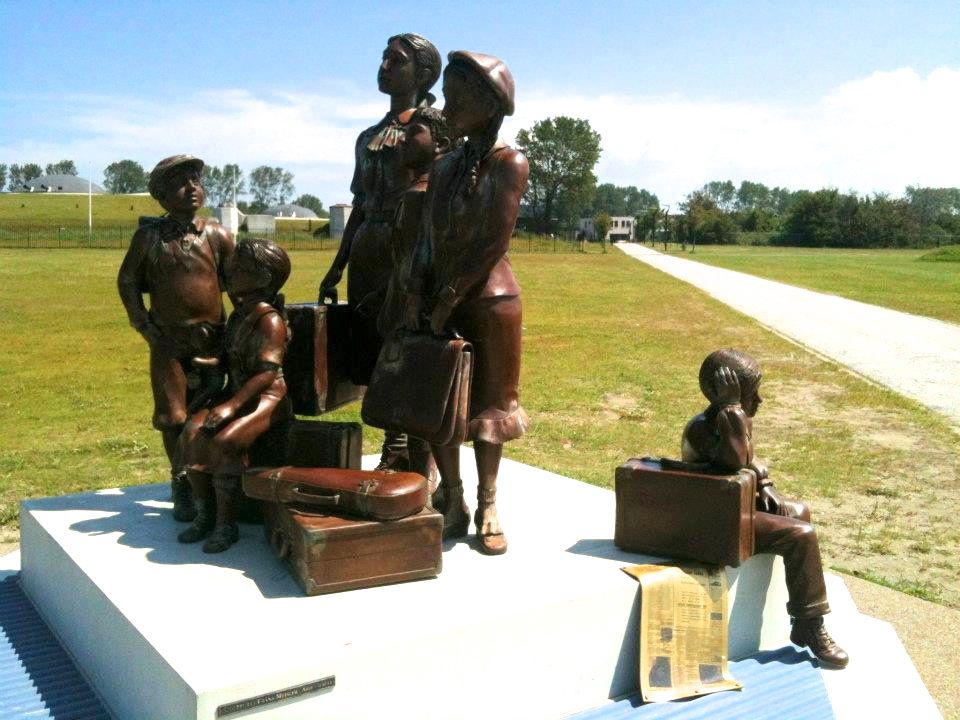
This memorial is in Hoek van Holland.  It is called “Channel Crossing to Life.”  It commemorates the 10,000 mainly Jewish children from Germany, Austria and Czechoslovakia, who were permitted to enter England without their parents and escape Nazi persecution.  Most crossed the English Channel to Harwich from Hoek van Holland.

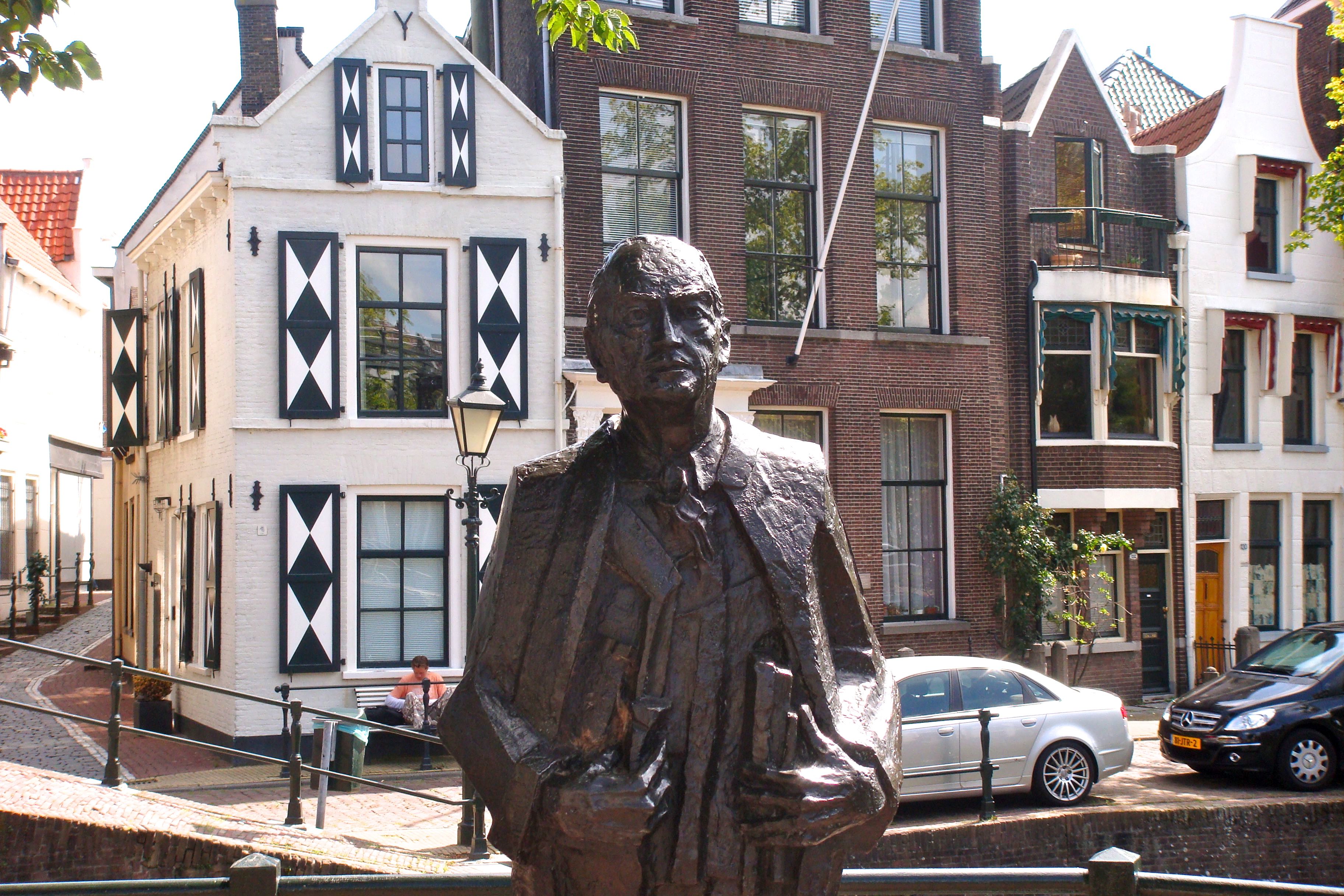
This gentleman can be found in Delft.

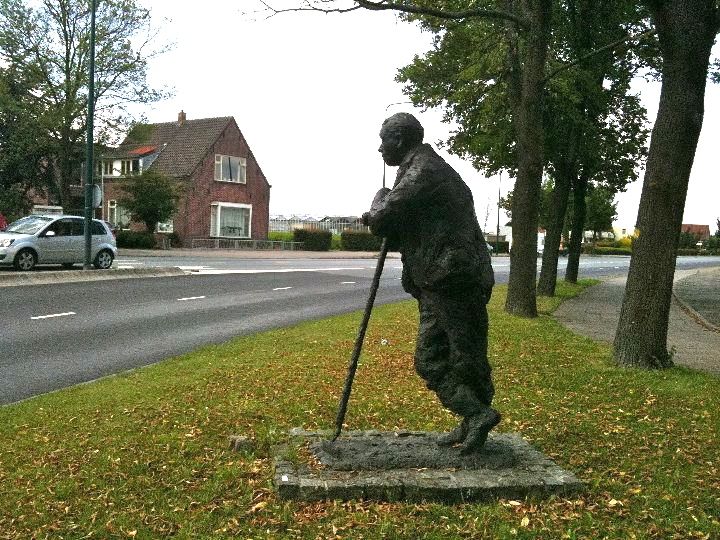
This fine fellow is watching the world go by in Leiden.

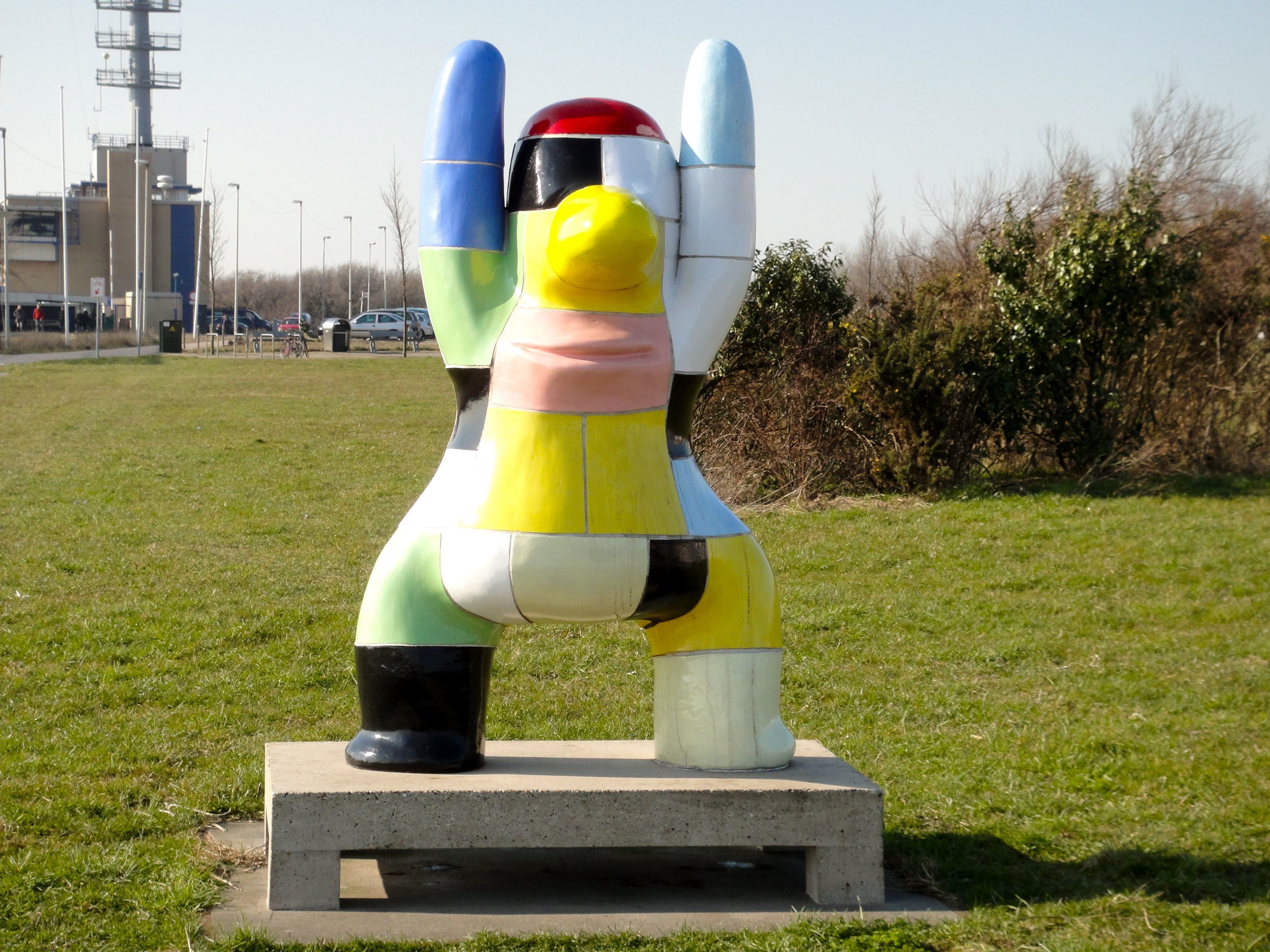
Some public art is in a modern style.

This statue is in Maassluis.

The Dutch equine industry is highly regarded in the Sports Horse sector, and particularly in terms of the standard of breeding and bloodlines. The equine industry in the Netherlands is worth more than Euro 1.5 billion per year.  This horse graces a field in Valkenburg.

I see lots of people out and about on horseback Ho

I noticed Dick Tracey in Den Haag soon after I arrived.  It was much later before I discovered that the building behind him is occupied by a branch of the Dutch police.

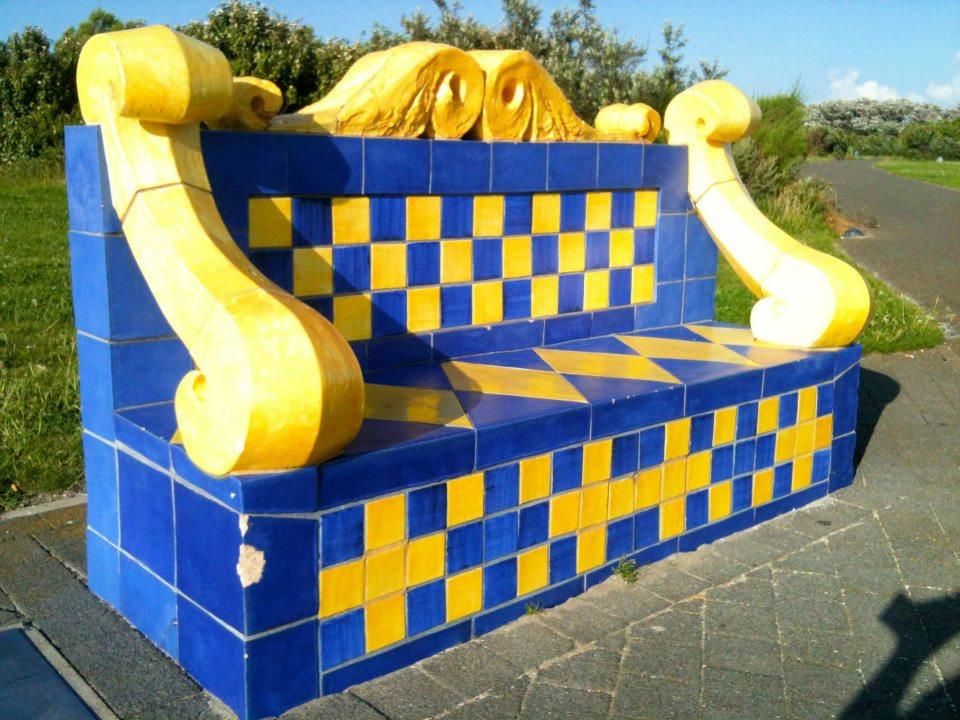
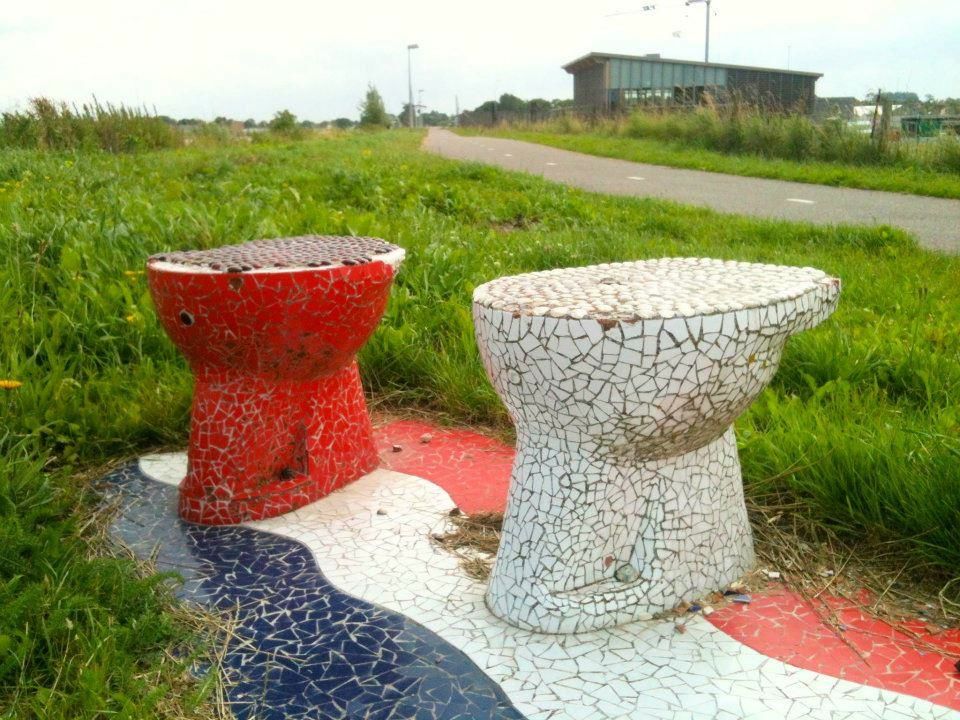
I’ve never seen anyone lounging on this seat in Hoek van Holland.

I am embarrassed to admit that I rode this route on the outskirts of Zoetermeer many times before I noticed this sculpture.

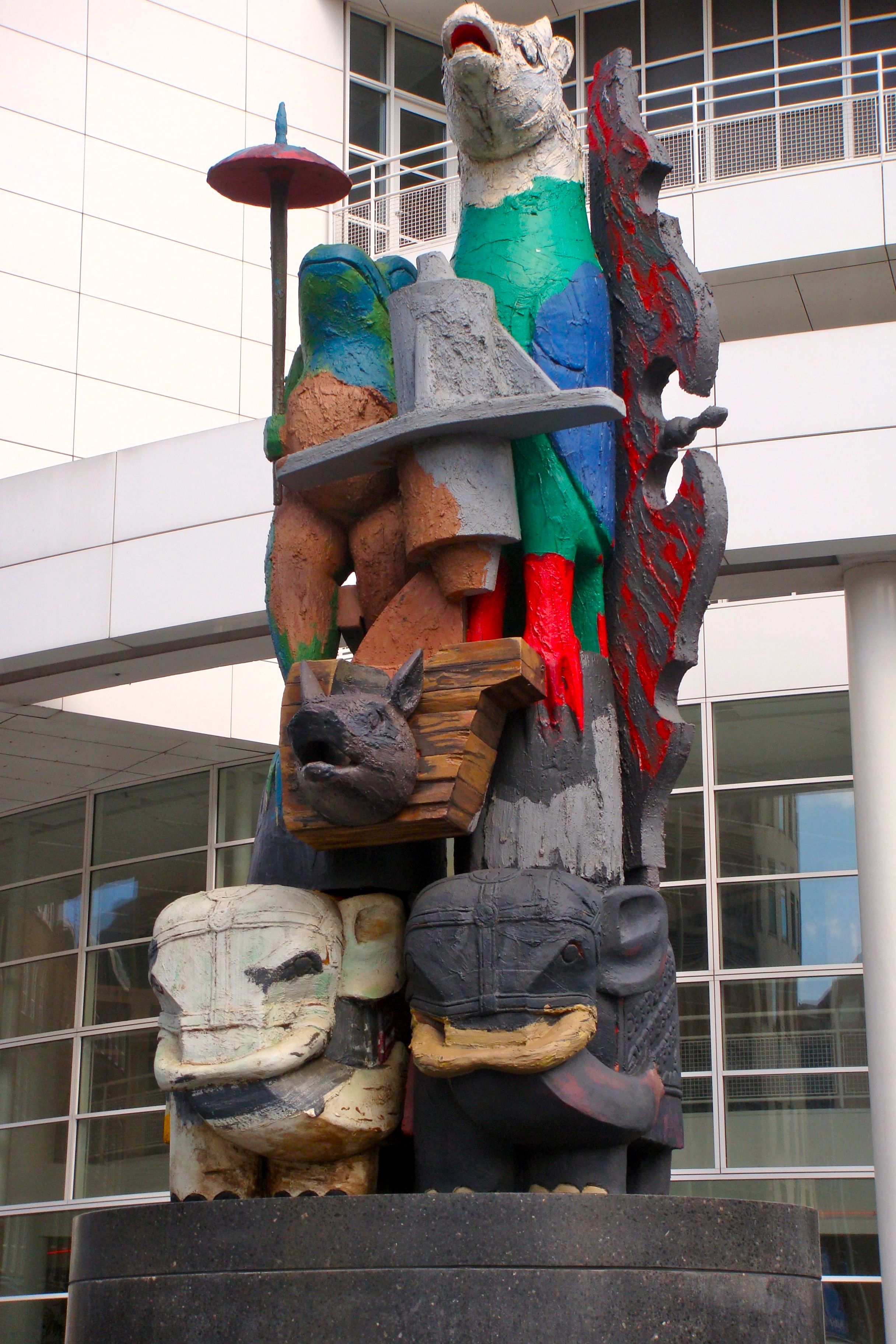
And some public art is just plain weird.

This melange of animals stands outside the Stadhuis in Den Haag.

Den Haag Stadhuis Sculpture

Surrendering in Hoek van Holland.

This multi-headed creature is in the Grote Markt in Den Haag.

Somewhere near Rijpwetering.  Interpretations anyone?

Classic, modern or weird:  all are visible from your bicycle.

King of the Mountains #4: Cameron Highlands

Posted on

CNN.com ran a feature about the Cameron Highlands a few days ago.  The Cameron Highlands, along with Fraser’s Hill and Kuantan, was a favorite family holiday destination in the late sixties and seventies.  We would head to a rented bungalow in the highlands to escape the heat and bustle of Kuala Lumpur.  I have fond memories of the Cameron Highlands.

So it was with some anticipation that I signed up for King of the Mountains #4.  The fourth ride in Dave Ern’s Nine Kings of Mountains 2013 series.

There are three roads up to the Cameron Highlands.  The Tapah road provides better access to food and drink enroute than the other two roads.  We were a baker’s dozen at the start.

Cameron Highlands Ready to Roll

Photo courtesy of Ann Daim

Which was at the Lata Iskandar waterfall, about 22 km / 13.6 mi from Tapah.

Lata Iskandar Waterfall

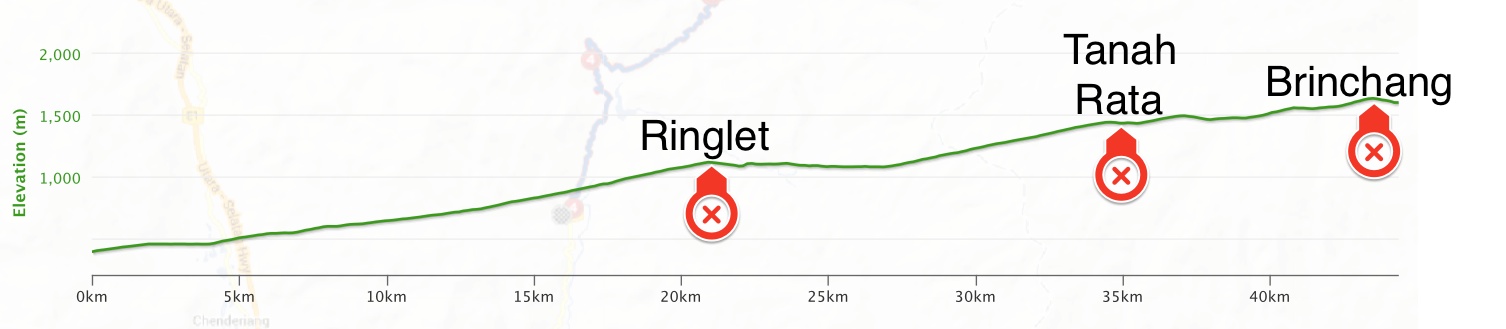
It is all uphill from the waterfall to Ringlet, 21 km / 13 mi away.

Cameron Highlands Profile

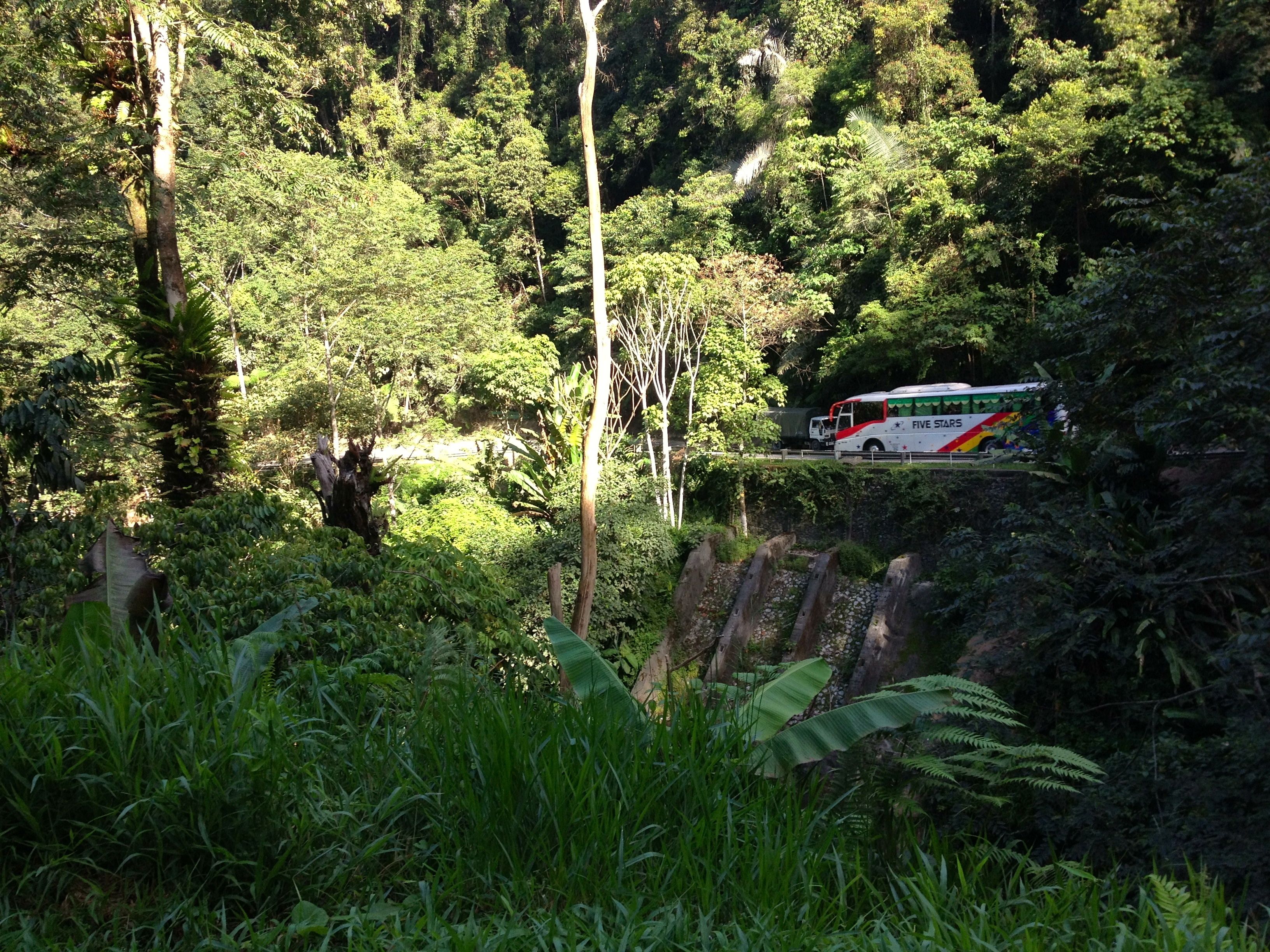
The road is shrouded in jungle as it winds its way around the contours of the mountain.

Cameron Highlands Road

This section is dotted with roadside stalls run by orang asli, the indigenous people of Peninsular Malaysia.  Most were selling jungle produce like petai or stink bean, wild honey and fresh bamboo shoot.  A few stalls had other things, like this one that had angklung and bird’s nests.

My naturalist friend Irshad Mobarak tells me that the nests were made by the male Baya Weaver.  After weaving the nest the male bird dances and sings to invite a female to inspect it. If she approves of it she will mate with him. If she does not like it she will unravel the nest and the male has to build a new one for her.  The Baya Weaver makes many such nests in a tree, and likewise he also has many mates too.

Cameron Highlands Orang Asli Stall

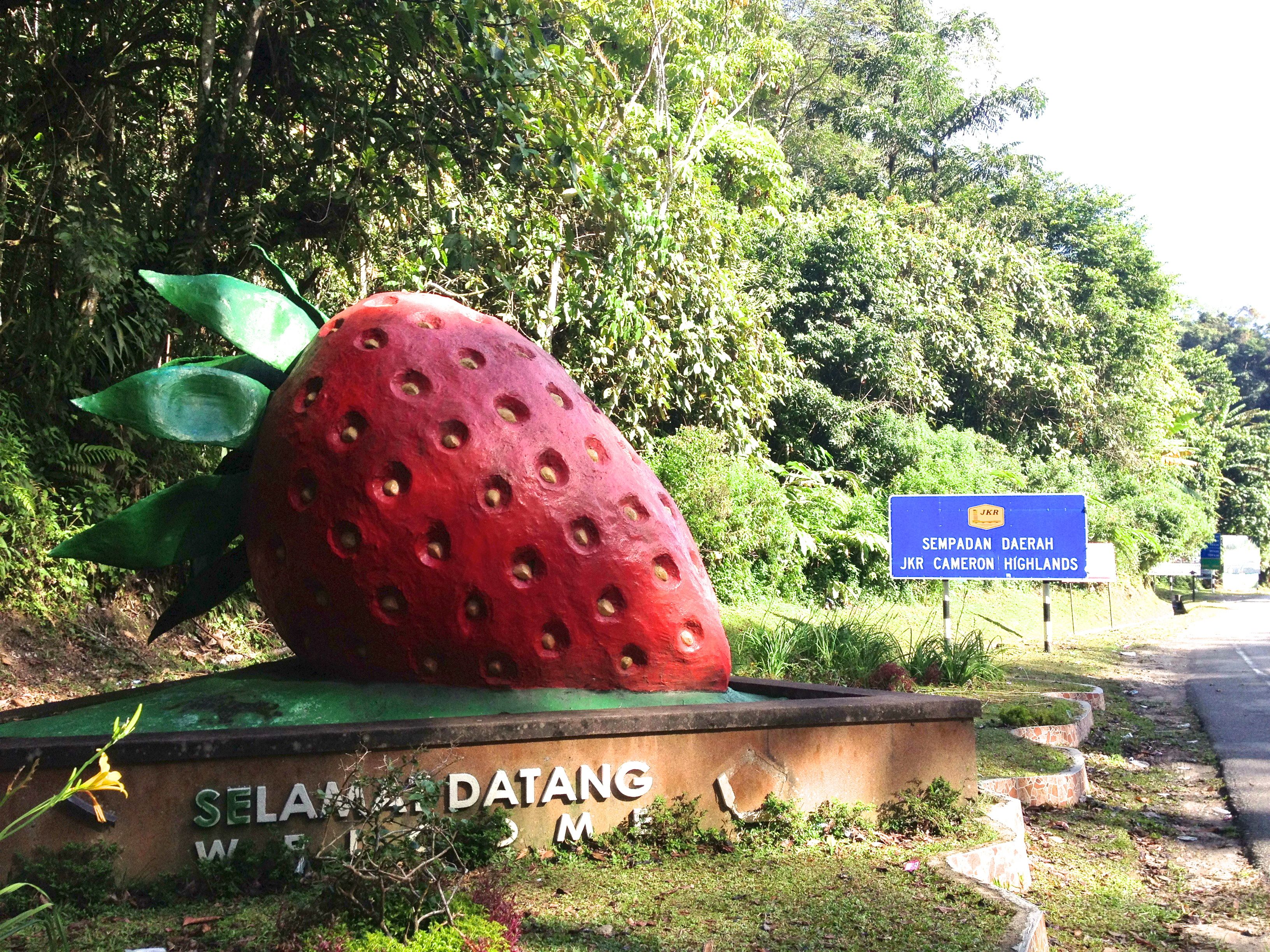
Ringlet (I wish I knew the etymology of the name) is just over the border between Perak and Pahang.  It is the first town along the road from Tapah to the Cameron Highlands.  The highlands are the only place in Malaysia where strawberries are cultivated on a commercial scale.  Hence this welcome at the start of the 1 km descent into Ringlet.

Cameron Highlands Strawberry

We stopped in Ringlet to regroup..  I took the opportunity to test out my new temperature regulation strategy.  (See Hyperthermia.  Avoid It!)

Cameron Highlands Cornetto Royale Chocoluv

It worked so well that I stopped in Ringlet on the way down the mountain for one of these.

Cameron Highlands Magnum Choco-Cappuccino

The next town was Tanah Rata.  A further 12 km / 7.5 mi up the road.  There was a photo opportunity along the way at the Cameron Valley Tea House.  Incidentally the site of the first traffic jam I encountered as cars and buses jostled for parking at the side of the road.

The Cameron Highlands is the largest tea growing area in Malaysia.  Boh, founded in 1929, is the largest plantation owner.  My biker chick especially likes the Boh Seri Songket teas.  The other major tea producer is Bharat, which started operations in 1933.  Bharat sells under the Cameron Valley brand.

The valleys around Tanah Rata and Brinchang are carpeted with bright green tea bushes and dotted with buildings for tea processing.

Cameron Highlands Bharat Tea View

Tanah Rata is what I remember being the ‘centre’ of the Cameron Highlands.  The holiday bungalows were all in the area.  Like the Shell bungalow at Bukit Ruil.

Photo courtesy of KumarKT

Photo courtesy of KumarKT

That is where the golf course is as well.  The golf club has expanded since I last hacked divots from their fairways.

Cameron Highlands Golf Course

The fabled Ye Olde Smoke House Inn is still beside the golf course.

Cameron Highlands Smoke House Inn

I don’t remember the inn being so close to a major road.  The Cameron Highlands was a much quieter place when I was a schoolboy.

Just north of the golf course I saw just how much busier the place has become.  There was a one-way traffic system around and through a commercial hub that houses at least fifteen budget hotels and holiday apartment blocks, and the restaurants that cater to them.  Despite the one-way system and a number of traffic policemen working the flow, things were at a crawl.  It was faster by bike, despite the 6% incline.

There was a line of vehicles for the next 3 km to Brinchang and the Equatorial Cameron Highlands.  The resort is 1,628 meters / 5,341 feet above sea level.  The highest accessible point in the highlands.  From the resort grounds you can see how the tourist trade now lives cheek-by-jowl with the vegetable farms that the Cameron Highlands has long been known for.

Much of this market gardening happens under protective roofs and plastic sheets that extend in terraces up from the valleys.

Cameron Highlands Vegetable Plots

The farms have themselves become tourist attractions.

Butterflies have long been a feature of the highlands.  Sadly I saw just one butterfly during my ride.  Not counting these ones.

Cameron Highlands Butterfly Garden

I turned around not far past the butterfly garden.  It was time to claim my reward for all that climbing.  Chasing and overtaking cars, lorries and buses on the switchback road back to the Lata Iskandar waterfall.  One bus driver in particular was astonished to see that a bicycle can carve through turns faster than most four-wheeled vehicles can.

Cameron Highlands Switchback

I enjoyed my ride to Brinchang.  I was less enthused with the changes I saw along the way.  The area is suffering from its popularity with visitors.  The Cameron Highlands may well be a cycling destination again for me in the future, but it won’t be a holiday destination anymore.

Stuck Indoors

Peat lands, forests and palm oil plantations are burning in Riau province, Sumatra.  At this time of the year westerly monsoon winds blow from Indonesia across the Strait of Malacca to Malaysia.

Malaysia uses the Air Pollution Index (API) to measure air quality.  The amount of sulphur dioxide, carbon monoxide, nitrogen dioxide, ozone and particulate matter in the air is used to calculate the API.  A value above 100 is unhealthy.  A value above 200 is very unhealthy.  A value above 300 is hazardous.  People are advised to stay indoors when the API is above 300.

In the past week the API hit 750 in Muar, Johor.  The highest API in Malaysia in sixteen years.  Readings in Kuala Lumpur and Shah Alam nudged 200.

This was Kuala Lumpur a few days ago.

Haze

Photo courtesy of Lai Seng Sin at AP Photo

The air quality in Kuala Lumpur is not great at the best of times.  For some years now there have been too many poorly-maintained diesel engined buses and lorries spewing black smoke, and too many poorly maintained two-stroke engined motorcycles spewing white smoke.

When my biker chick and I moved to Den Haag in 2010 we immediately noticed the clearer air there.  I was later told that the air quality in the Netherlands is amongst the worst in the European Union.  The Dutch may emit excessive amounts of nitrogen dioxide and carbon dioxide, but it certainly looks like they have less particulate matter floating about.

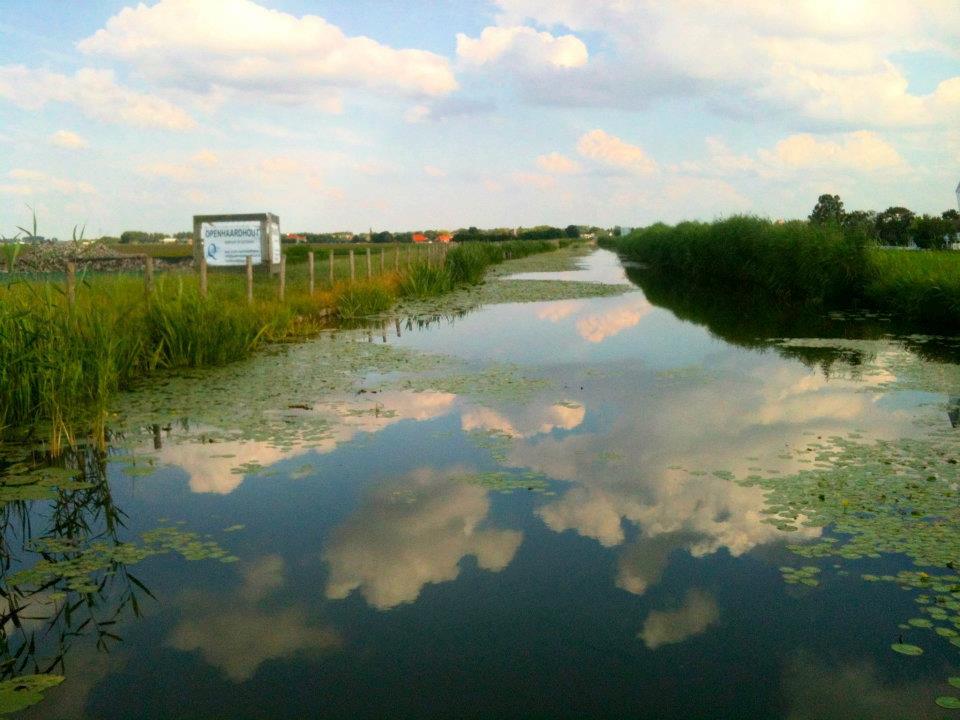
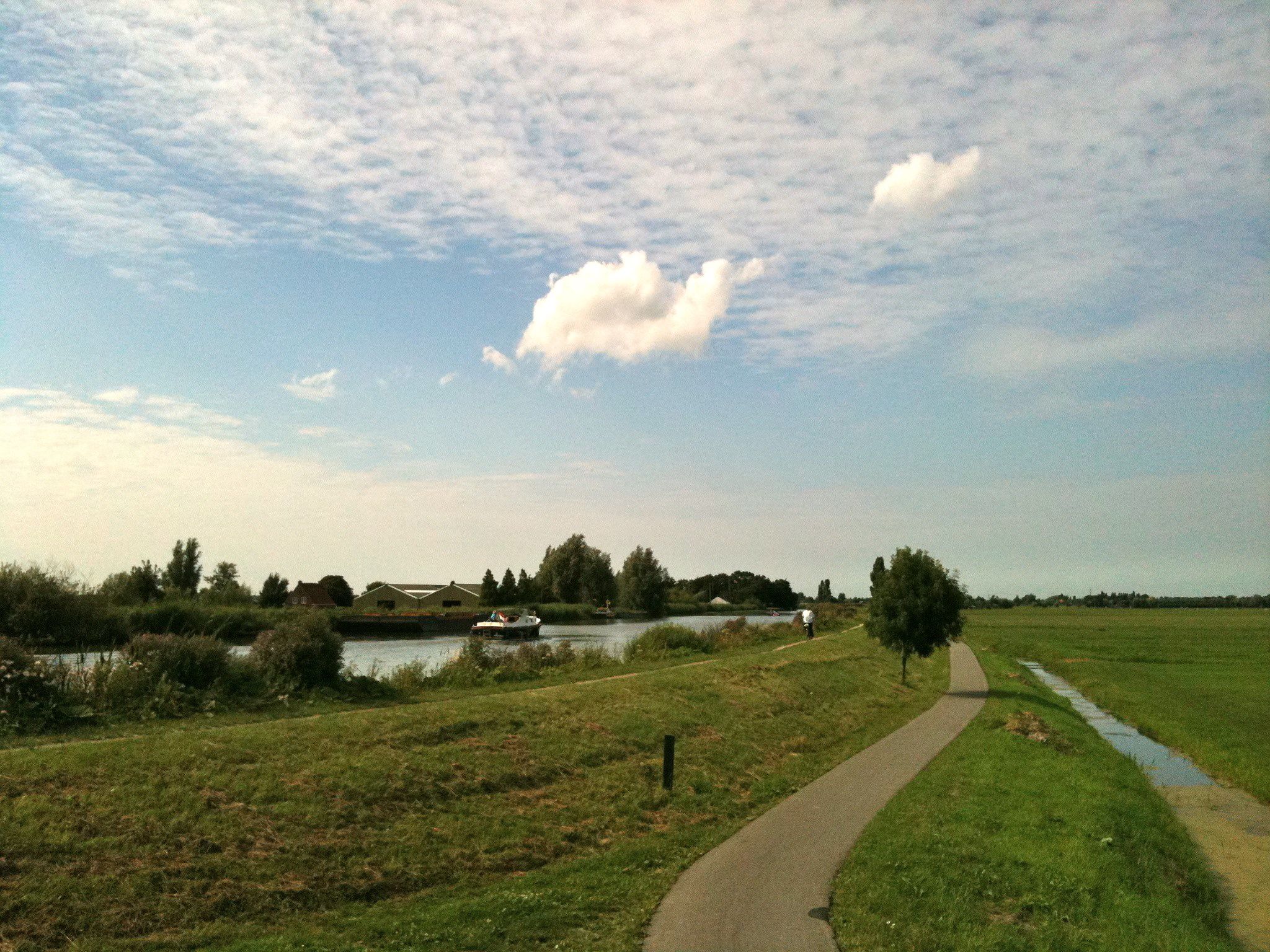
I dug up some photographs I took while riding in the Den Haag area to remind me of what clear air and blue sky look like.

It was a beautiful evening when I left home Blue s

The Drie Molens (Three Mills) in Leidschendam They

Schiphol Ride 02


Kinderdijk Ride Seat View 1

The API this evening for Shah Alam is much improved compared to what it has been recently.

API courtesy of apps.evozi.com

API courtesy of apps.evozi.com

Tomorrow we ride!

Rapha Grand Tour Shoes Review

My Trek FX 7.5 had platform pedals.  I didn’t need special shoes to ride it.  My steel Alchemy would be delivered with clipless pedals.  Any shoe would no longer do.  I needed cycling shoes.  Some research on the internet pointed me toward the Sidi Genius 5-Pro Mega.  The “Mega” designation indicates that this shoe is wider than the standard Sidi Genius 5-Pro.

Sidi Genuis 5

I was guilty of showrooming with this purchase.  I tried the shoes for size at a bike store, but bought online.  A practice that does not support local retailers.  A practice that I try not to repeat.

Despite being “Mega” the Sidis are slightly narrow in the forefoot for me.  This isn’t a problem on shorter rides, but I develop “hot foot” once the ride exceeds about 60 km / 37 mi or so.  At times I have had to completely unfasten the caliper buckles and loosen the velcro straps to get some relief.

The Sidis came with me to Den Haag.  I swapped out the insoles, which helped a bit with the “hot foot” problem.  Perversely the shoes didn’t keep my feet warm enough in the Dutch winters.  There wasn’t enough room in them for thick woolen socks.  A pair of Endura neoprene  shoe covers delayed, but didn’t prevent, the onset of frozen toes.

My next cycling shoe purchase was the Shimano SH-RW80 Winter Road Shoe.  I liked those shoes so much that I wrote a review that appeared on roadbike review.com.  I took the advice of other reviewers and went two sizes larger than my Sidis.  That gave me plenty of room in the toe box for my wide feet and thick socks.

20080_1_Shimano_SH_RW80GORE_TEXRennrad_Winterschuh-700x525

As Spring 2012 approached I saw posts in cycling blogs about a new shoe.  The Rapha Grand Tour shoe.  First John Watson posted thirty nine captioned photographs of these shoes in his excellent Prolly is Not Probably.  Soon after Wade Wallace ran a review and posted more photographs in his equally excellent Cycling Tips.

I looked at the Rapha site.  I was smitten with the version of the shoes in white.  My biker chick liked them too.  All of a sudden I needed new shoes!

Rapha Grand Tour New 2

It was my good fortune to be in the UK in April 2012.  I went into Condor, Rapha’s retail partner in London.  They had a pair in my size.  The shoes smelled soft and warm in the way that only leather does.  The perforated uppers had style.  The single black strap and the absence of large logos gave the shoes a minimalist look.

I love my Grand Tours.  I still have the Genius Pro-5s, but they are very much my back-up shoes.  The only time I wear them is when the Grand Tours are sitting in a cool airy spot, tongues flipped up and insoles removed, drying out after a wet ride.

You can read the online reviews of these shoes or go to the Rapha site to get all the technical details.  For me the winning qualities are the fit and comfort that make these shoes unnoticeable when I am riding.

I have put almost 11,000 km / 6,835 mi into these shoes in fourteen months.  They get better with age.  Like the leather in Brooks saddles, the leather in these shoes breaks in with use.  The Grand Tours have moulded to the contours of my feet.  The customizable cork / EVA footbeds have also formed themselves to the soles of my feet.  These shoes fit like gloves.

Robust gloves at that.  This is what the sole of the shoe looks like out of the box.

Rapha Grand Tour Sole 1

These are the soles of my shoes today.

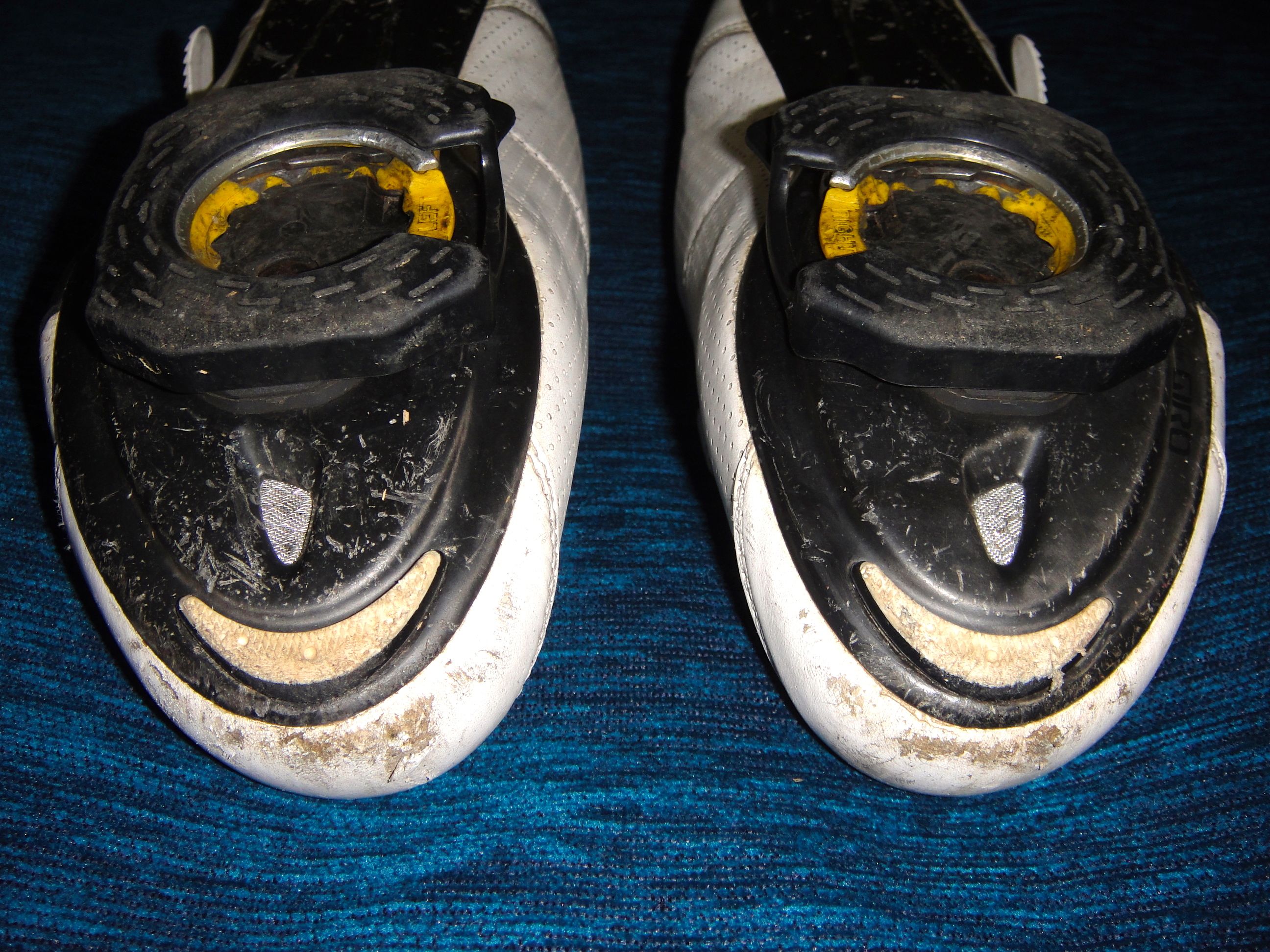
Rapha Grand Tour Sole Now

The heel cups and toes are scuffed, and the soles are scratched from the times I walked on stones and gravel.  The white rubber bumpers on the heels show the most wear.  These are non-replaceable so it will be interesting to see how long it is before they wear down to the carbon soles.

Rapha Grand Tour Toe

One buckle bears evidence of a low-speed fall.

Rapha Grand Tour Buckle Now

Apart from that the shoes are holding up very well.

Rapha Grand Tour Now

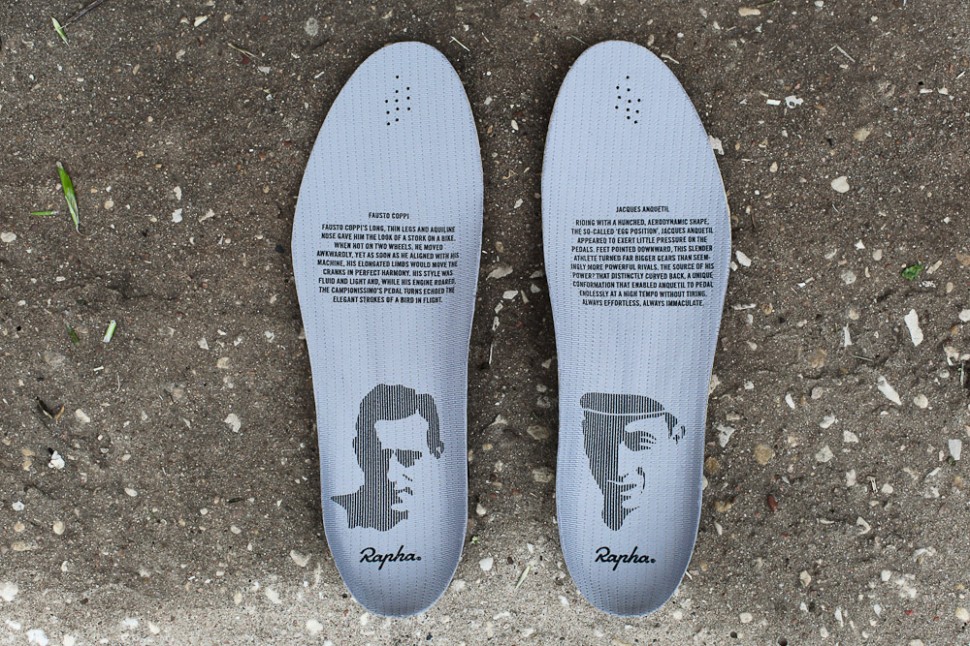
Even the insoles, with their homage to Fausto Coppi on the left and Jacques Anquetil on the right, show little sign of wear.  These are the insoles before any use.

Rapha Grand Tour Insole New

These are mine now.  The images and text are still legible despite thousands of kilometers in all weathers.

Rapha Grand Tour Insole Now

The Grand Tours have not needed any special care.  Just a wipe down with a damp cloth, careful drying when they get soaked, and the application of some shoe cream once in a while has kept them looking good.   I expect to get at least another 11,000 km out of these excellent shoes.

Apart from a proper bike fit and quality bib shorts, shoes are the key to a comfortable ride.  In that regard the Rapha Grand Tour shoes are worth their weight in gold.

By the Numbers

I bought a Garmin Edge 705 when my first road bike was delivered.  I used it initially to record where and how far I had ridden.  You can download the details of your rides to a Garmin website called Garmin Connect.  Among other things Garmin Connect displays maps showing exactly where you went on your ride, or run or hike.  It was fun to be able to show my biker chick where I had gone on my bike.

Garmin Edge 705

When I started doing longer rides with the West End group I used the speed display to help me keep a consistent pace when I took my turns at the front of the peloton.  I hadn’t bothered to install the speed sensor, or the cadence sensor for that matter.  I depended on the speed data calculated by the GPS chip. I used the heart rate monitor out of a casual interest in what my pulse rate was rather than as a training aid.

I rode solo during my first year in the Netherlands.  The “Back To Start” function came in useful on more than one occasion.  One canal, or windmill, 0r field of cows looks much like another.  No help when you are lost and 40 km / 25 mi from home.

The heart rate monitor saw some serious use once I started doing organised rides (by that I mean longer and faster than I was used to) with the Not Possibles.  By that time I had a rough idea of what my heart rate zones were.  Tracking my pulse rate helped me manage my effort so that I didn’t wear myself out before the end of the ride.

Since 31st January 2010 I have been transferring all my rides to Garmin Connect.  There are 412 rides in my account.  I took a look at all that data today.

The first set of numbers shows how much ground I have covered on my bicycles in three and a half years.  Enough to get me from Kuala Lumpur to Warsaw and back.  24,448 km / 15,191 mi.

Total KM

68% of my time since January 2010 has been spent in the Netherlands.  It follows that most of that pedaling was amongst windmills and canals.

What surprised me was the average length of my rides.

Ave KM

I hadn’t expected the average Houston ride to be slightly longer than the average Den Haag ride.  I must have done more 20 to 30 km / 12 to 18 mi rides in Holland than I thought.

I am not surprised that the average ride length has dropped in Kuala Lumpur.  I do the Damansara Heights ride fairly regularly.  That one never exceeds 16 km / 10 mi.  The Putrajaya ride tops out at just over 20 km / 12 mi.

The shorter rides in Kuala Lumpur are somewhat made up for by more frequent rides as compared to Houston and Den Haag.

Ride Frequency

I rode on average every 4 days in Houston.  In Kuala Lumpur it is every 2.6 days.  I put that down to linking up with a group of cyclists as soon as I arrived in Kuala Lumpur.  There are four or five groups rides per week in Kuala Lumpur.  There were three weekly group rides in Houston, and only one per week in Den Haag.

Elevation data is suspect.  The barometric altimeter in the Edge 705 is not accurate if it is not calibrated before every ride..  I don’t bother.  Websites like Strava and Ride With GPS allow users to overwrite GPS elevation data with data calculated using a variety of data sources and algorithms.  This “corrected” elevation data is often, but not always, more reliable.

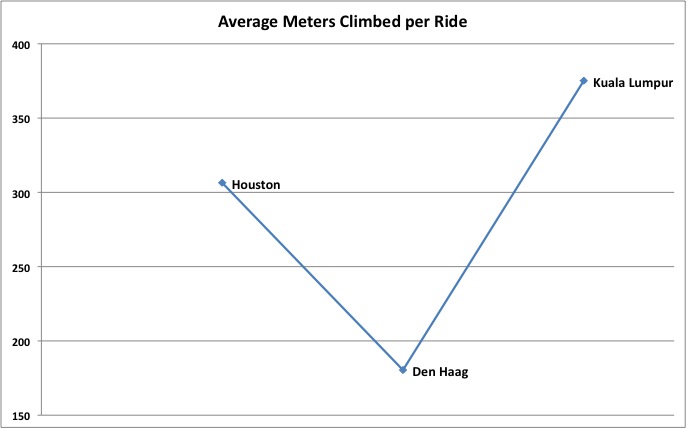
Nevertheless, it is interesting to look at elevation data for comparative reasons.  I did expect the data to show that rides in Kuala Lumpur require the most climbing.

Ave Climbing

The average for Houston surprised me at first, but upon reflection it makes sense.  Chappell Hill was within easy reach by car.  We rode quite a bit there.  Training for the hills of Austin that were to come in the BP MS150!

The Netherlands is as flat as advertised.  Cyclists are only partly joking when they say they go to a multi-storey car park to practice hill climbs.  The Dutch hide some elevation in the dunes along the coast but that is about it.  The climbing average for Den Haag is padded by a few visits to Limburg and Belgium, where there are some real hills.

Regular readers will already know that I was startled by the degree of climbing required when riding around Kuala Lumpur.

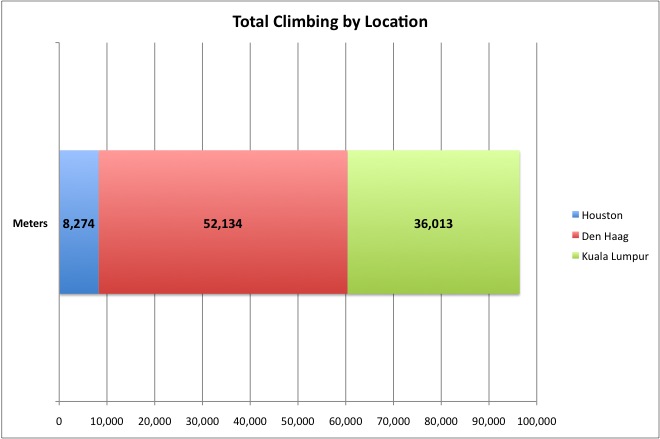
Total Climbing

It won’t be long before I surpass the number of meters I climbed whilst in the low country.

The final number is also for guidance only.  You know what I mean if you have ever looked at the “calories burned” numbers that exercise machines produce.

Bic Macs

However I won’t let details get in the way of feeling pleased with myself for burning the caloric equivalent of 1,802 Big Macs.

A milestone ahead, pardon the pun, is 25,000 km / 15,534 mi total distance.  I’ll be beyond 1,000,000 calories burned by then.  I wonder what number that would be in nasi lemak terms?

Ritchey Break-Away Road Ti / Carbon Review

Ritchey Breakaway Ti

I have had my Ritchey Break-Away for exactly two months.  We have done fifteen rides together.  I do try to be fair and alternate between my three bikes.  Although by default any rides that involve significant travel will now be on the Ritchey.  We covered 1,025 km / 635 mi.  There has been about 7,100 meters / 23,300 feet of climbing.

My other bikes are a steel framed Alchemy with carbon chain stays and fork, and a titanium framed Alchemy with carbon seat stays, chain stays and fork.  The Alchemys have identical geometries.  The Ritchey has a 56cm frame.  The tube lengths and angles of the Ritchey are as close to those of the Alchemys as dammit is to swearing.  All have SRAM group sets.  All have Ritchey carbon seat posts and cockpits.  All have Easton EA90 SLX wheels.  I like the tried and tested!

I include all that detail as a prelude to describing the differences between these bikes.  In the hope that it heads off a potential firestorm amongst all you aficionados out there around the relative virtues of steel versus titanium as a bike frame material, and the effect of tire choice, frame geometry, tube size etc. etc. on the ride quality of said bike frame materials.

The only differences that I can discern between the two Alchemys are that the titanium bike has a more ‘damped’ feel to it, and the steel bike has more flex.  A little less road chatter gets transmitted through the titanium frame.  I am no road racer but I can make the steel frame flex under pedaling load.  Not so with the titanium Alchemy.

I love the ride quality of my Alchemys.  They are very comfortable, even on the chip sealed back roads of Texas.

I love the ride quality of the Ritchey Break-Away too.  I don’t feel a difference between the titanium Alchemy and the Break-Away.  Logic tells me the Break-Away should not be as stiff as the Alchemy.  After all the Ritchey frame is in two pieces, connected at the seat tube / top tube junction and just in front of the bottom bracket.  Perhaps my senses are not tuned enough to pick up the difference.

That probably is part of the answer.  If I tested bicycles for a living my senses would be developed enough to feel some differences.  I think another part of the answer is in how well the Ritchey design eliminates flexing at the joints.

The top tube and seat tube are held in alignment by the seat post.  One bolt above the seam between the tubes and another bolt below the seam lock the tubes together.  What looks like a connection between the lower bolt and the top tube in the photograph below is actually a bracket welded to the lower bolt housing.  That bracket holds the rear brake housing stop slightly away from the top tube.

Photo courtesy of Jon Sharp at www.gearreview.com

Photo courtesy of Jon Sharp at http://www.gearreview.com

The down tube is split just ahead of the bottom bracket.  The end of the down tube has a neck that slides into the fitting at the bottom bracket.
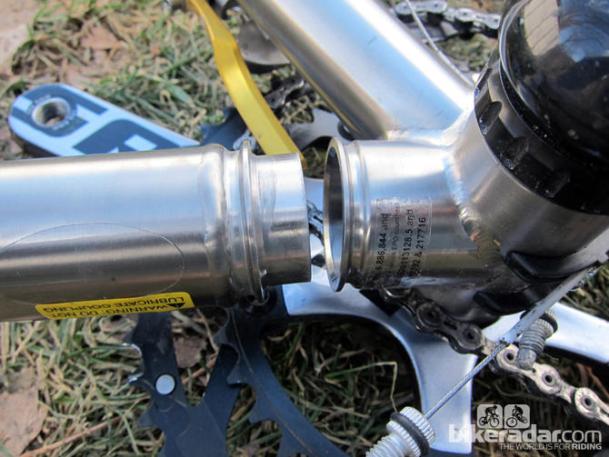
Photo courtesy of bikeradar.com

Photo courtesy of bikeradar.com

A hinged compression clamp fits over the lips or flanges on either edge of the joint and holds the two parts of the down tube together.  The two derailleur cable couplers are visible below the down tube.

Photo courtesy of Jon Sharp at www.gearreview.com

Photo courtesy of Jon Sharp at http://www.gearreview.com

This simple design uses just three bolts tightened to 4Nm to hold the front and rear triangles together.  Very securely I might add.  Nothing worked itself loose during my rides.  The bike tracked as expected.  There were no vibrations or unexpected wobbles.  Even at better than 65 kph / 40 mph down the relatively straight Smithville Hill during the BP MS150, and close to that on the switchback descent from Genting Sempah.

Top marks for the Ritchey Break-Away as an excellent bike to ride.

That brings me to the differentiating characteristic of this bike.  The ability to fit into a case that meets airline size specifications for checked luggage.  66 x 66 x 25.5 cm / 26 x 26 x 10 in.  The staff at the check-in counters at George Bush Intercontinental Airport in Houston, Denver International Airport and Newark Liberty International Airport in New York City didn’t bat an eyelid when I put the case holding the Ritchey onto the weighing scales.  They tagged the case and sent it on its way without a second glance.

Speaking of weight, bike and case weigh 15 kg / 33 lb.  Well within the limit of 23 kg / 50 lb for a checked bag in economy class.

I opted for the S&S Edge Pull Butterfly Latch Hard Case.  I recommend it over the Ritchey soft case, which is universally panned in all the reviews I have read.  The hard case weighs more, but the added durability and protection is worth that extra kilo or two.

Photo courtesy of S&S Machine

Photo courtesy of S&S Machine

I recommend a set of compression members to keep external pressure from pushing the sides of the case into the packed bicycle.  These are strong enough to stop the side bowing inward under the weight of a person standing on the case.

Photo courtesy of S&S Machine

Photo courtesy of S&S Machine

I also like the TSA security net.  The net keeps the frame, wheels, compression members and whatever else you have packed together if a TSA inspector opens the lid of the case.

Photo courtesy of S&S Machine

Photo courtesy of S&S Machine

Packing the bike takes some practice.  There are a number of suggested ways to fit all the pieces into the case.  Ritchey includes an instruction sheet with the bike.  Ritchey also has step-by-step videos on their website.

I tried a variety of packing methods.  I prefer the S&S packing sequence, which is actually for an S&S coupled bike, but works very well for the Ritchey Breakaway too.  The first time it took quite a while to wrap all the tubes in the supplied pads, and to get all the pieces properly aligned in the case so that the lid would close.  The tricky bit was getting the handlebars into the case, and lining up the front wheel such that things like the bottom bracket fit between the spokes.  I get better at it each time I do it.

The Break-Away came through two domestic flights in the USA and one intercontinental flight from the USA to Asia via Europe unscathed.  Reassembly after each flight was straightforward and the bike was ready to ride right out of the case.

I have had one road trip.  Knowing that the case would not be subjected to any abuse, I didn’t use any of the supplied tube wraps, and I didn’t bother with the compression members and security net..  I also left the crank in the bottom bracket and the rear derailleur attached to the hanger.  That made packing simpler.  The bike was none the worse for it either.

A big help was the shorter steerer tube.  As delivered the steerer tube made the fork too long to fit flush against the edge of the case.  Which put the rest of the front triangle in the way of some of the other parts.  I had the steerer tube cut down.  Everything fits in the case much better now.

On road trips I can get away without any padding because the titanium frame is unpainted.  One of the few complaints about the painted steel frame is that it scuffs, scratches and chips easily.

Top marks for the Ritchey Break-Away as a bike that packs easily into an airline-friendly case.

I am delighted with my Ritchey Break-Away.  There is nothing about it that I am unhappy with.  It says a lot about the clever design and ride quality of this frame that the only weakness other reviewers have found with this bike is that the cable couplers sometimes rattle against the down tube on rough roads.

If you want a travel road bike that doesn’t compromise performance, the Ritchey Break-Away is for you.  Just be sure to get a hard case to go with it.

Flying the Colors

I thinned down my collection of cycling jerseys when we came home to Kuala Lumpur.  Among the jerseys that I kept were my local club jerseys.  The camaraderie that those jerseys represent makes them near and dear to me.

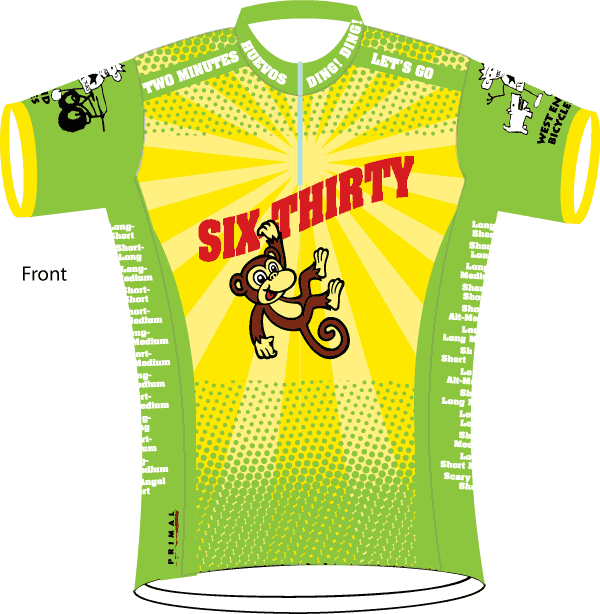
“Club” sounds a bit formal.  “Group” is a better word.  My first cycling group was West End.  So named because our rides started outside the West End Bicycles shop on Blossom Street in Houston, Texas.  The shop owner, Daniel Murphy, told me about the group and the rides that they do.  There are Tuesday and Thursday evening rides that start at 6.30 pm, and Ted’s Taco Ride on Sunday mornings.

I met Daniel not long after I started cycling.  In my days of riding my Trek 7.5FX hybrid bike in my baggy shorts, t-shirt and tennis shoes.  My first ride with the West End group was spectacularly unsuccessful.  I got dropped within the first few kilometers.  Dropped so badly that I lost sight of everyone’s tail lights.  I didn’t know the route so I had to go home.

The next ride went much better.  Largely due to a few riders hanging back to make sure I didn’t get lost again.  I can’t thank them enough for that.

The West End group introduced me to riding further than 16km / 10mi in one go, how to change a flat tube, what to bring with me on a ride, and the culinary delights of Jax Grill and Doña Maria.

West End Bicycles sold these jerseys.  I know about Frank, the dearly-loved and sadly-departed shop cat.  I don’t know anything about the dog in the shop logo though.  I can tell you that the West End group lives up to the motto on the collar.  Fast and Friendly.

West End

There have also been a series of 6.30 jerseys.  Including this one, which I no longer have.  I donated this jersey, along with others, to an aid organization in Den Haag.  Perhaps someone is still sporting this jersey somewhere in South Holland.

Photo courtesy of West End Bicycles

Photo courtesy of West End Bicycles

It took a while to find a group to ride with in Den Haag.  All the Dutch cycling clubs that I encountered were very serious.  In the typically Dutch way they were very well-organised and had excellent facilities.  They were also geared toward the competitive rather than the recreational cyclist.  Some even required that you met a qualifying time for membership.  Ride 40km / 25mi in an hour for instance.

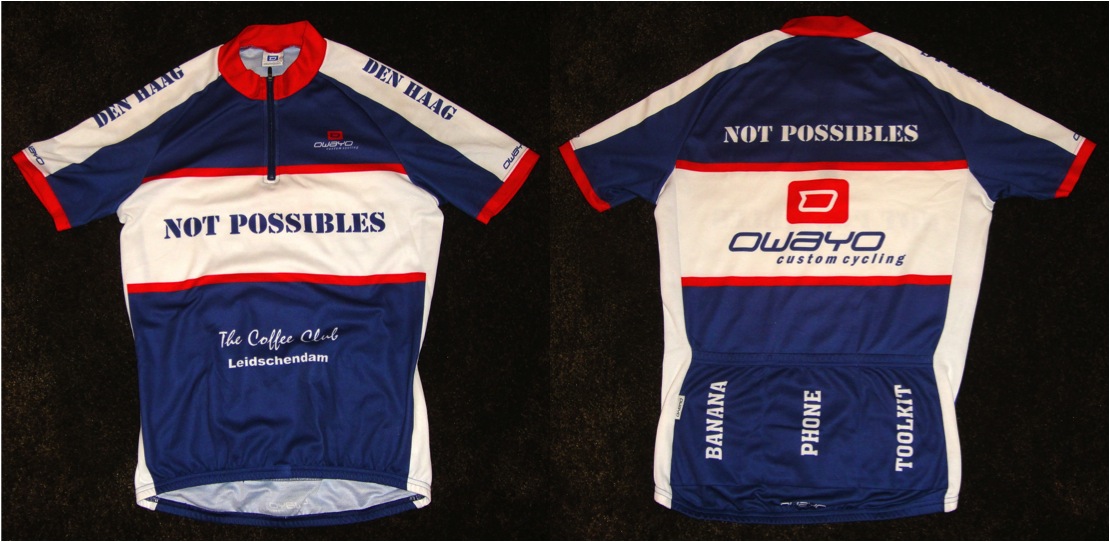
So a year had gone by before I heard of the Not Possibles.  A group made up largely of expatriates living in the Den Haag area.  Weather permitting, the Not Possibles meet outside the DAKA sports store in the Leidsenhage shopping center on Saturday mornings.  The route for the day often depends upon the prevailing wind, and is usually about 40 to 60km / 25 to 37mi long.

Th group was described to me as one that rode at a pace between 20 to 25kph / 12.5 to 15.5mph.  I learned on my first ride with them that this was not strictly true.  They averaged about 25kph / 15.5mph for the entire ride.  Including the slow rolling start from Leidsenhage, the stops at traffic lights and the slow rolling through built-up areas.  I spent most of my first ride with the Not Possibles frantically trying not to lose sight of the tail end of the group as it sped through the trees in the dunes.  This struggling on the first ride was becoming a bad habit.

A few months after I hooked up with the Not Possibles we decided that we needed group jerseys.  This is what we came up with.

Not Possibles

The Not Possibles introduced me to routes north, east and south of Den Haag (west was not possible because the North Sea gets in the way),  riding in the rain, harnessing a tail wind for 60km / 37mi and taking the train to get home, and the delights of apple pie and coffee at the Coffee Club.

I hooked up with a group of cyclists within a few days of arriving in Kuala Lumpur.  As soon as my bikes arrived I was off on a ride with the Racun group.  “Racun” is the Bahasa Malaysia word for “poison.”  In this case the name refers to how people are poisoned by the cycling bug.  One bike becomes two bikes becomes three bikes.  Every bright and shiny new accessory becomes a must-have.

The name is especially appropriate because the Racun group are linked to Van’s Urban Cycling Co.  Where new temptations are constantly presented.  Like the new Knog Blinder Road light.  I am not the only one in the group who is sorely tempted by this light.

The Racun group has introduced me to the world of folding bicycles, urban night rides, breakfast at Sharif Roti Canai, and orange + green apple + lychee juice.

Van’s was sold out of the original yellow and black Racun jerseys.  Fortunately for the new joiners a second batch of jerseys was made up.

Racun

The jerseys may be different, but they represent the same things.  A love of cycling, fun and friendship.  I fly these colors with pride.

Build an Ark – Or Read Some More

IMG_1301

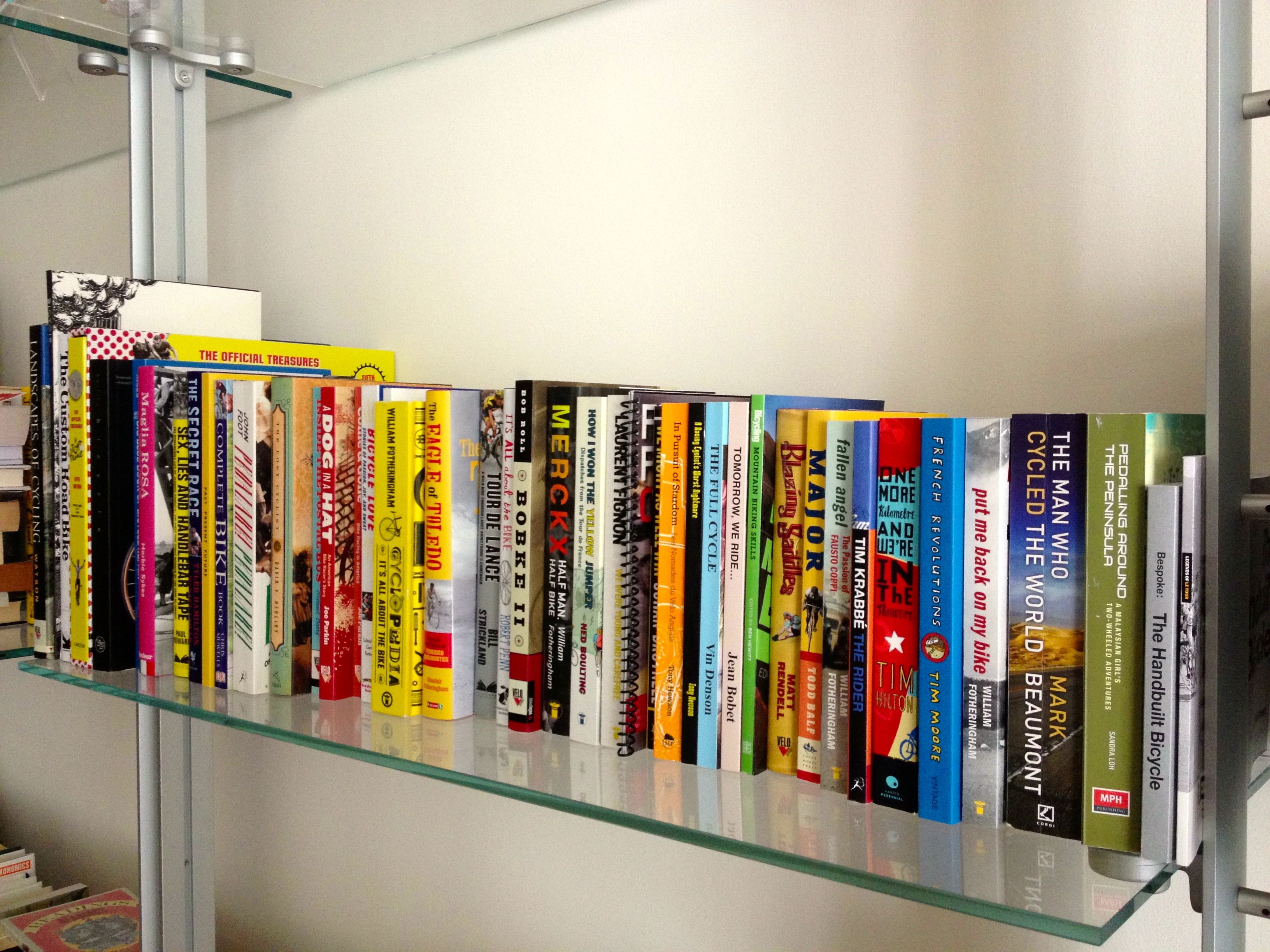
Some of of my cycling books are about epic rides.  Tim Moore’s book about riding the 2000 Tour de France route for example (see Still Too Wet to Ride?)

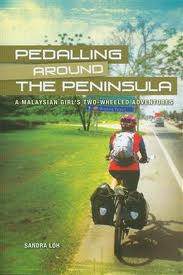
Closer to home, Sandra Loh circumnavigated Peninsular Malaysia, together with Mak Shiau Meng, in 2009.  I have a signed copy of Loh’s “Pedalling Around the Peninsula:  A Malaysian Girl’s  Two-Wheeled Adventures.”  Perhaps the most amazing statistic is that she cycled 2,664 km / 1,655mi without a single flat tire.

Pedalling Around

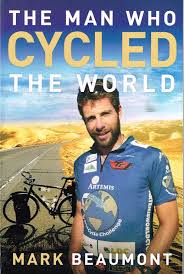
Mark Beaumont took a somewhat longer ride.  And he did it alone.  He cycled 29,446km / 18,297mi to circumnavigate the globe in 194 days in 2008.  That was a  world record at the time.  Achieving it required cycling an average of 160km / 100mi per day, no matter the weather, the terrain or his physical condition.  He did have a few flats along the way, as recounted in “The Man Who Cycled the World.”

The Man Who Cycled

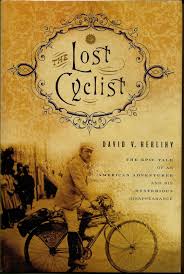
The most tragic ride story is told by David Herlihy in “The Lost Cyclist:  The Epic Tale Of An American Adventurer And His Mysterious Disappearance“.  This is also a story of a man attempting to circumnavigate the globe by bicycle, but in a very different age to Beaumont’s.  Frank Lenz started his ride in 1892, on the then innovative safety bicycle, complete with new-fangled pneumatic tires.  Lenz makes it most of the way around the world before disappearing in eastern Turkey.

The Lost Cyclist

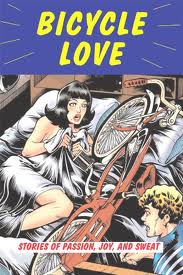
Now onto the books that don’t fall neatly in one classification or another.  Like “Bicycle Love: Stories of Passion, Joy, and Sweat” edited by Garth Battista.  A compilation of 60 or so essays on the many varieties of bicycle love.

Bicycle Love

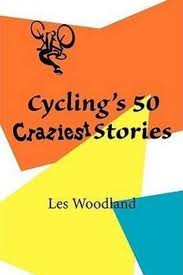
Another compilation of improbable, silly, crazy and absurd, but all true stories is in “Cycling’s 50 Craziest Stories.”  It is written by Les Woodland, a doyen of British cycling authors with eighteen books on the subject to his name.

Cycling's 50 Craziest

The tell-all book that shook the sport in 2012 was “The Secret Race: Inside the Hidden World of the Tour de France: Doping, Cover-ups and Winning at All Costs” by Tyler Hamilton and his co-author Daniel Coyle.  This book came out as the Lance Armstrong story was coming to a head.  It talks about all the significant doping scandals of the past 15 years with a level of detail not seen before.  The sport of professional cycling will never be the same.

The Secret Race

A book that doesn’t talk about doping but is otherwise an all-one handbook of cycling is “The Complete Bike Book” by Chris Sidwells.  He writes about the history of the bicycle, the essentials of riding, choosing the right equipment and clothing, riding technique, and bike maintenance.  There is something here for beginner and experienced cyclist alike.

The Complete Bike Book

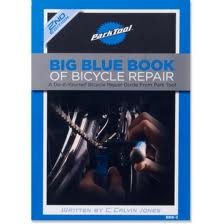
At the other end of the spectrum is a book that does just one thing, and does it very well.  The “Big Blue Book of Bicycle Repair” by Park Tool.  Park Tool makes bike tools, so the company knows a thing or two about bicycle maintenance and repair.  This was the recommended text at the bicycle maintenance course I took.  Enough said.

Park Big Blue

This next item is on the left side of the shelf and sticks up above all the other books.  It is not a book in the traditional sense.  I had to look up what a leporello book is.  “Bicycle,” created for the London 2012 Olympics, is Ugo Gattoni‘s vision of a madcap bicycle race through the streets of London.

Bicycle

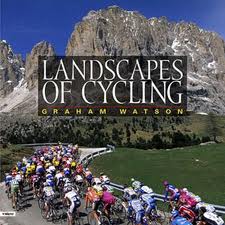
The last book in my collection is also a picture book.  Graham Watson is a renowned cycling photographer.  Organized by season, this book takes readers around the globe, from the Australian championships to the Tour de France, always showing the peloton against a backdrop of exquisite, compelling scenery.

Landscapes

Just the thing for a rainy day.

Still Too Wet to Ride?

IMG_1301

Yesterday I listed the biographies and autobiographies in my collection of cycling books (see Too Wet to Ride?).

Today I will start with a memoir and a more general review of the cycling stars from the golden age of the 1940s, 50s and 60s.  Tim Hilton wrote “One More Kilometre and We’re in the Showers.”  Hilton’s breadth of knowledge and interest is evident in this scrapbook of cycling lore.

One More Kilometre

Tony Hewson of “In Pursuit of Stardom” fame wrote another book about the era of UK cycling in the aftermath of World War II.  “A Racing Cyclist’s Worst Nightmare:  And Other Stories of the Golden Age” is a collection of short stories written in a variety of genres:  autobiography, biography, discourse and fiction.

A Racing Cyclists

Now onto books about major races.  They don’t come any bigger than the Tour de France.  There are countless books about the Tour.  I have “Blazing Saddles:  The Cruel and Unusual History of the Tour de France.”  Matt Rendell complements his vivid storytelling, sometimes of the unsporting and unsavoury underbelly of the Tour, with more than 100 classic black-and-white photographs.

Blazing Saddles

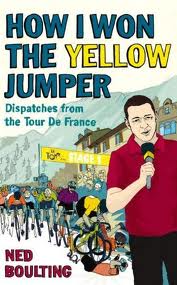
Ned Boulting spent eight years covering the Tour for ITV.  “How I Won the Yellow Jumper” chronicles his journey from being dropped into the roving reporter role, despite having no knowledge of cycle racing, through to becoming the Tour commentating equal of the likes of Phil Ligget and Paul Sherwen.

How I Won

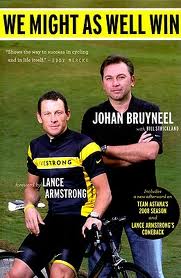
Bill Strickland co-wrote “We Might As Well Win” with Johan Bruyneel in 2008.  Bruyneel built an enviable reputation as a Director Sportif, winning thirteen Grand Tour championships in eleven years.  This book is about how Bruyneel, his teams, and his star riders Lance Armstrong and Alberto Contador, dominated the Tour from 1999 to 2010.  My biker chick was a fan of Bruyneel’s, at least until he fell from grace after the USADA formally charged him with administering a long-running doping program.  To this day she says that he broke her heart.

We Might As Well Win

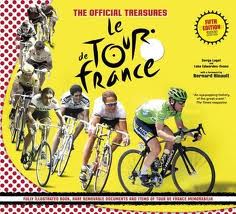
My favorite history of La Grande Boucle is “The Official Treasures of Le Tour de France” by Serge Laget and Luke Edwards-Evans.  This is a compendium of historical tidbits, 275 archive photographs and 40 removable facsimiles of posters, postcards and other Tour memorabilia.  You will love this book if you are the type who pushes all the buttons on science museum displays.

The Official Treasures

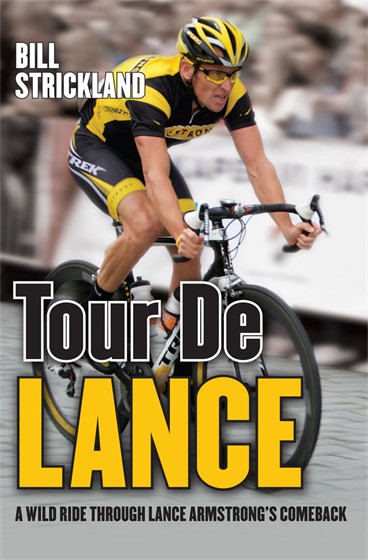
There are books about particular editions of the Tour.  Like “Tour De Lance.”  Bill Strickland had unprecedented access to Lance Armstrong as he attempted an audacious comeback to win the 2009 Tour.  With his main rival Alberto Contador for a team mate no less.  This is another book that I need to reread now that Armstrong is no longer a winner of seven Tours de France.

Tour de Lance

Tim Moore is a British travel writer who rode the entire route of the 2000 Tour.  “French Revolutions:  Cycling the Tour de France” is his irreverent diary of that trip, as well as an homage to bike racing.

French Revolutions

I have only one book about the Giro d’Italia.  Herbie Sykes‘ second cycling history book, “Maglia Rosa:  Triumph and Tragedy at the Giro d’Italia.”  This does not read like a history book though.  Sykes presents a collection of stories together with 150 images to create his tale of the Giro.

Maglia Rosa

The Giro is central to Italian cycling.  It gets a big mention in this book about the history and impact of cycling in Italy.  “Pedalare! Pedalare!  A History of Italian Cycling” by John Foot.  Foot is a Professor of Modern Italian History at University College London.  He has written extensively about Italian history, including three books on Italian soccer.  He brings with him a historian’s eye rather than a sportswriter’s take on cycling in Italy.

Pedalare

I need to add a book about the third of the Grand Tours, the Vuelta a España, to my collection.  Actually there are many books that I want to add to my collection.  Where is that Kindle?

I have books about riders. I have books about races  Naturally I have books about bicycles.  Or more properly in this case, a book about a show about bicycles.

Bespoke:  The Handbuilt Bicycle” is the catalog produced by Lars Müller Publishers for the NYC Museum of Art and Design exhibition of the same name.  An exhibition of the work of six internationally renowned bicycle builders.

Bespoke

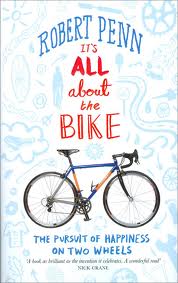
Robert Penn takes a slightly different approach to building a bicycle.  “It’s All About the Bike:  The Pursuit of Happiness on Two Wheels”  is about his quest to put together the perfect bike.  He takes his readers on a journey around the world visiting the factories and workshops where the parts for his custom bike are made.

It's all about the bike

That man William Fotheringham pops up again.  This time as the author of “Cyclopedia:  It’s All About the Bike.”  An encylopedia-like collection of everything Fotheringham has learned whilst reporting on professional cycling for the past 30 years.  Something you can read from A to Z, or just dip into at random.

Cyclopedia

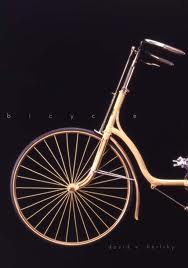
A true history of the bicycle is what David Herlihy produced.  “Bicycle:  The History” may sound like an overly-confident title, but this book lives up to it.  It is the definitive history of the bicycle.

Bicycle

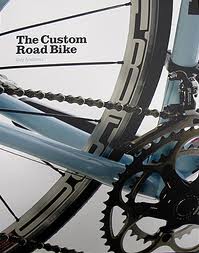
The last book on my shelf about bicycles themselves is by Guy Andrews.  Andrews is the founder and co-owner of Rouleur, a bi-monthly British cycling magazine.  Rouleur is noted for its design and its photography.  So no surprise then that Guy Andrews’ book “The Custom Road Bike” is also beautifully designed and is full of lovely photographs.  Photographs of the very best bicycle components.  You will drool over this book so much that you might as well have gone out in the rain.

The Custom Road Bike

More books in my next post.

Too Wet to Ride?

Posted on

IMG_1301

I bought my first book about cycling not long after I got my first road bike.  As with bikes I didn’t stop at one book.  I don’t have room in the apartment for another bike.  There is not much I can do about that.  I don’t have room on the shelf for another book about cycling.  Hello Kindle!
That first book was “The Rider” by Tim Krabbé.  Krabbé puts the reader inside the head of a competitor in a French cycling race, the Tour du Mont Aigoual.  Krabbé captures in tremendous detail the nuances of road-racing strategy, mixed in with snippets of cycling history.  I was hooked on cycling books.

The-Rider

I have since filled a 90cm / 35.5in shelf with cycling books.  Some are easy to classify.  Books about individual cyclists for example.  Toward the right side of the shelf sits “Put Me Back on my Bike: In Search of Tom Simpson” by William Fotheringham.  The ultimately tragic story of a man best remembered for dying on the slopes of Mont Ventoux during the 1967 Tour de France.

Put-me-back-on-my-bike

William Fotheringham also wrote the next rider biography on my bookshelf, “Fallen Angel: The Passion of Fausto Coppi.”  The life story of perhaps the greatest of Italian cyclists.

Fallen Angel

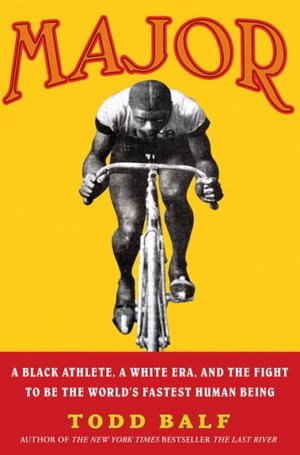
Then comes “Major” by Todd Balf.  About Marshall Walter Taylor, at one time the world’s fastest man on two wheels and America’s first African American sports celebrity.

Major

William Fotheringham appears again on my bookshelf, this time as the author of “Merckx: Half Man, Half Bike.”  Eddy Merckx is widely considered to be the greatest professional cyclist ever.  He won 525 races during his career, including five Tours de France, four Giros d’Italia and three world championships.

Merckx

Frederico Bahamontes was known as “The Eagle of Toledo” for his exceptional climbing ability.  He won numerous King of the Mountains classifications in all three major tours.  He also won the Tour de France in 1959.  His story is told by Alasdair Fotheringham, brother of William.

The Eagle

The last biography I have is about Jacques Anquetil.  Anquetil is another giant of the sport.  The first man to win five Tours de France.  His personal life however overshadowed his achievements on a bicycle.  Paul Howard recounts all in “Sex, Lies and Handlebar Tape.”

Sex, Lies

There are autobiographies as well.  The first of these in my collection, starting from the right side of the shelf again, is “Tomorrow We Ride” by Jean Bobet.  Jean is the younger brother of Louison Bobet, the first man to win 3 Tours de France in a row.

Tomorrow We Ride

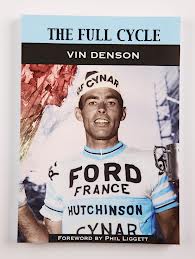
Vin Denson‘s memories of his professional cycling career during the 1960s, including being the first British cyclist to win a stage of the Giro d’Italia, are in “The Full Cycle.”

The_Full_Cycle

Tony Hewson, in “In Pursuit of Stardom: Les Nomades du Velo Anglais,” tells an extraordinary tale of three British cyclists who venture into France in the 1950s to try their hands in the European road racing scene.

In Pursuit

Laurent Fignon is perhaps best known as the man who lost the 1989 Tour de France to Greg LeMond by a mere 8 seconds.  He should be better remembered as a man who won the Tour twice and the Giro d’Italia once.  These and other victories are described in “We Were Young and Carefree.”

We Were Young

Bob Roll is next.  He is a former Tour de France racer and member of the U.S. Cycling Hall of Fame.  He offers his unique perspective on the professional racing circuit in “Bobke II: The Continuing Misadventures of Bob Roll”.  There is a “Bobke:  A Ride on the Wild Side of Cycling” that I haven’t yet read.

Bobke

Then comes another American racer who crossed the pond in the 1980s to try and break into the European professional peloton.  Joe Parkin wrote about his experiences as a pro racer in Belgium in “A Dog in a Hat.”

A Dog

Parkin followed up with “Come and Gone,” his memoirs of a difficult return to road bike racing in the United States, and his subsequent rebirth as a mountain biker.

Come and Gone

I read Michael Barry‘s “Inside the Postal Bus,” his recollection of his time as a domestique on the US Postal cycling team, some years ago.  Since then it has come to light that he had a spot of amnesia when it came to the use of performance enhancing drugs by the team.  I’ll have to read this book again now that we know what really went on in that bus.

Inside the Postal Bus

I’ll cover the rest of my rainy days collection in my next post.