Category Archives: Cycling in Malaysia

No Chip Seal Here

I bought my first bike in Houston.  My early solo rides were on the few bike trails along the Columbia Tap to Trail and Brays Bayou.  Then I met the Six Thirty group.  The majority of our group riding was done on city streets.  In most cases there were no bike lanes.  Where there were bike lanes you tended to stay out of them.  I remember Washington Avenue having a bike lane in name only.  What had been designated as a bike lane was badly rutted filled and with debris.  So we took our chances toward the center of the lane.

We also rode on the farm-to-market roads outside Houston.  There was less traffic on them, which was a plus.  They tended to be chip sealed, which was a minus.  Chip seal has a layer of aggregate embedded in the bitumen or asphalt.  On that surface we were were modern-day Rough Riders.

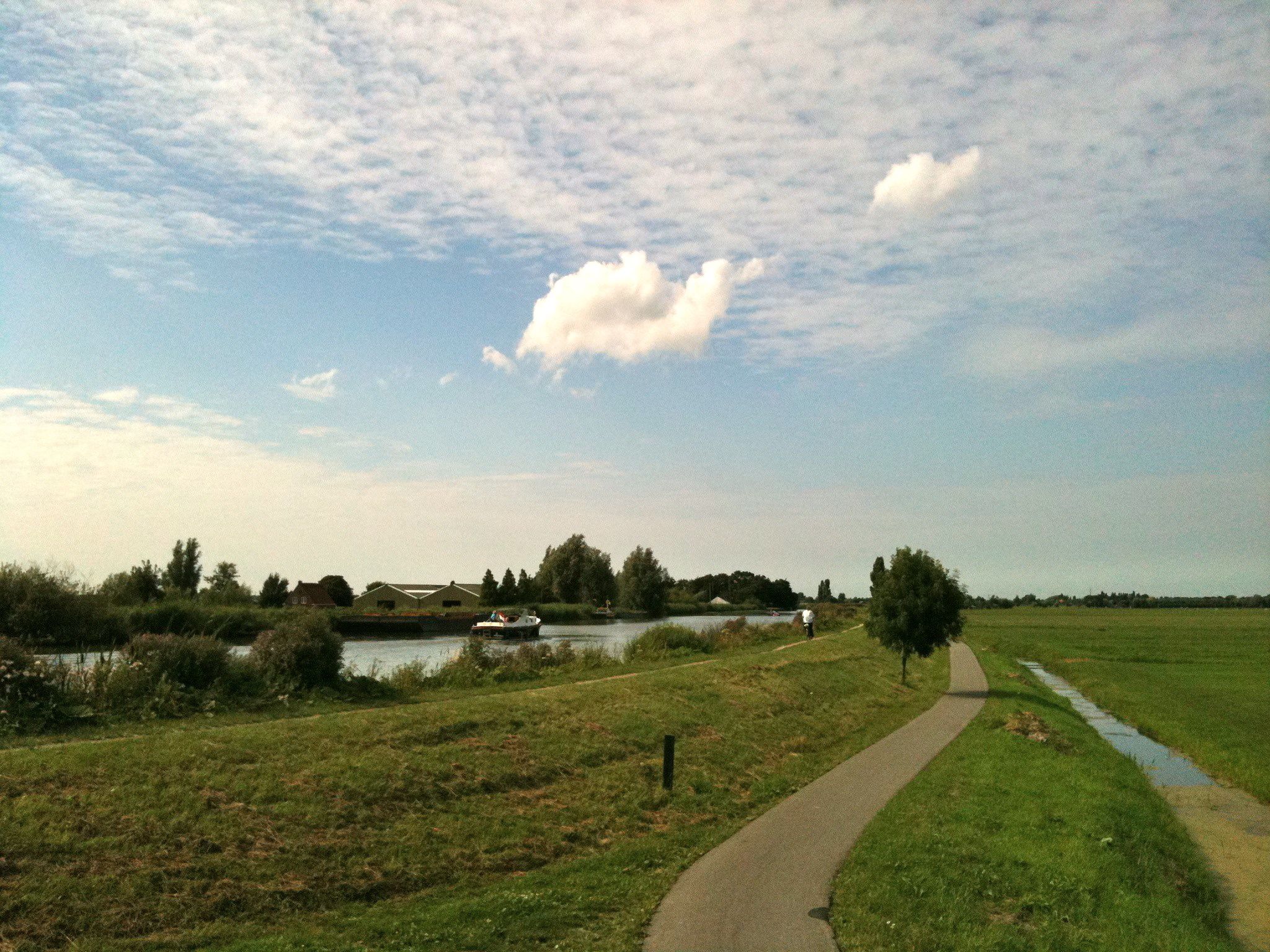
The Dutch cyclist has the good fortune to have 29,000 km of bike paths.   The Dutch cyclist is truly blessed to have 29,000 km of bike paths that are almost without exception well-maintained.  The majority of the paths are asphalt.  Those are generally the smoothest.  Some paths are made of concrete slabs or pavers.  Those sometimes have cracks and bumps in them.  Then come the brick bike paths, which run the range from smooth to bumpy.

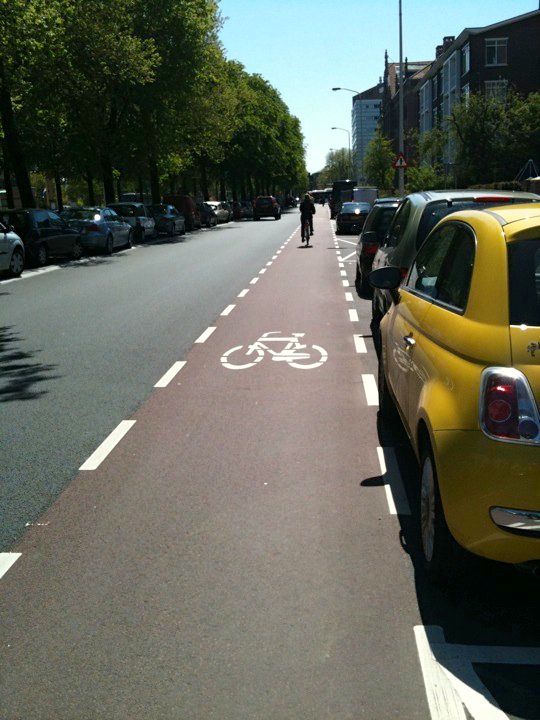
Bike paths in towns and cities are usually red.  This differentiates the bike paths from the road where bicycles and motor traffic share the same road-space.  This one is asphalt.

Bike path

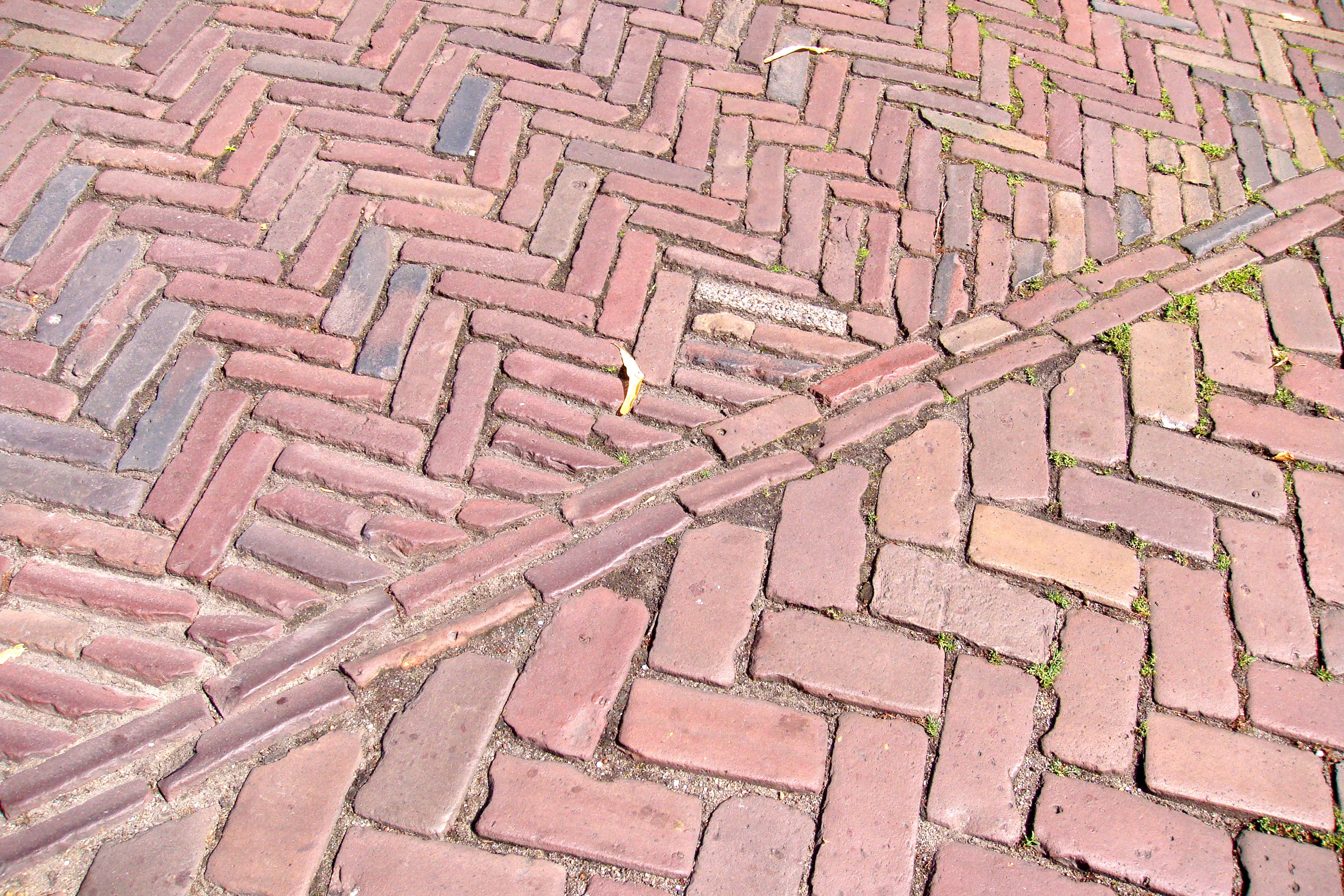
In the center of towns and villages the surface is occasionally brick.  Ideally the bricks form a smooth surface.  Sometimes though you are in for a rough ride.

Kinderdijk Ride Brick Road

Concrete pavers often appear around the edges of towns.  This a section of the new bike path on the beach south of Kijkduin.  The dashed center line indicates that this is a two-way path.  The surface is good enough for the Not Possibles to hit 45 kph / 28 mph or more when the wind is right.

Katwijk Pavers

Outside towns the paths are almost always asphalt.  Usually smooth and fast, although this section of the LF 1 near Monster is due for resurfacing.

Hoek Van Holland 02

This smooth asphalt path is in Midden Delfland.

Kinderdijk Ride Seat View 1

Where the paths follow roads the two are usually separated.  Like this one in Noordwijk.

IJmuiden aan Zee Nordwijk Trees

Now that I am in Kuala Lumpur I am back to riding on city streets and sharing the roads with other traffic.  Riding in Kuala Lumpur is a lot like riding in Houston.  Except there is no chip seal here.

What’s In Your Tool Kit?

I have carried a SRAM PowerLock chain connector on my rides for a few years now.

SRAM Powerlock

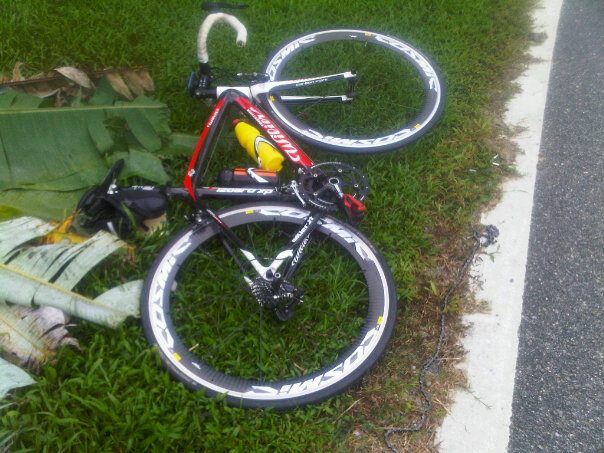
Today it was finally put to use.  I salvaged Syihan Nik’s Reverse Broga 1o5 ride after his chain snapped at the top of the N30 climb.  The broken chain is visible near the white line on the road.

Syihan Nik Snapped Chain

Photo courtesy of Syihan Nik

Syihan was very appreciative at the time, only 25 km into the ride.  By the end of the ride he may have wished I had left him to the SAG wagon.  By 11am the thermometer read 32°C / 90°F but in the sun it felt more like 38°C / 100°F.

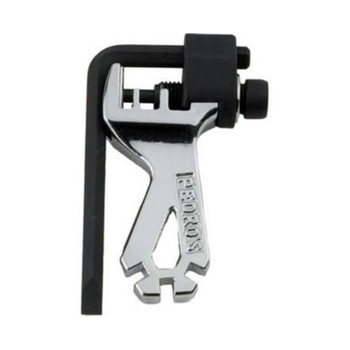
During this repair I also used my Pedro’s 6-Pack chain tool for the first time.

Pedros Six Pack Chain Tool

I started carrying the 6-Pack, and the PowerLock, after reading a few “What you should carry with you on rides” articles in the likes of Bicycling Magazine and Road Bike Rider.  I chose the 6-Pack because it neatly combines a chain breaker with a 5mm hex wrench, a flat bladed screwdriver and 3.2, 3.3 and 3.5mm spoke wrenches.  Adding a spoke wrench to my tool kit was a case of shutting the stable doors after the horse has bolted.  I broke a spoke in the middle of a ride and didn’t have a spoke wrench with me.  By the time I got home I had worn through the sidewall where my wobbly front wheel rubbed against the fork.

My on-bike tool kit has evolved over the years.  I have gone through a variety of multi-tools and tire levers.  One of the small pleasures of cycling is trying out new gadgets and tools.  In addition to the two items above I currently haul these around on all my rides.

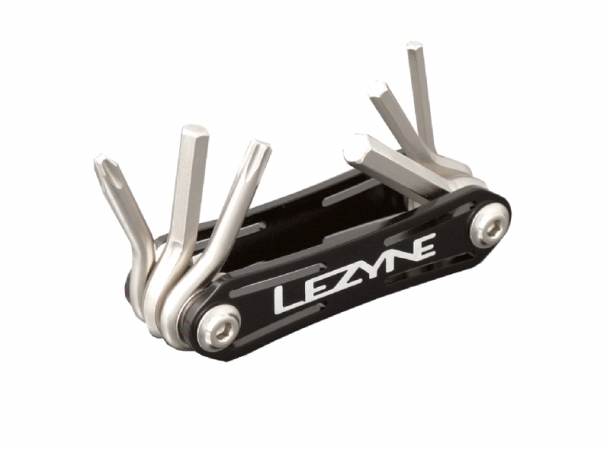
Lezune RAP-6

The Lezyne RAP-6 fits comfortably in the hand.  It comes with 3, 4, 5 and 6 mm Allen keys, a Torx T25 bit and a #1 Philips bit.  Apart from tire levers this tool has seen the most use.

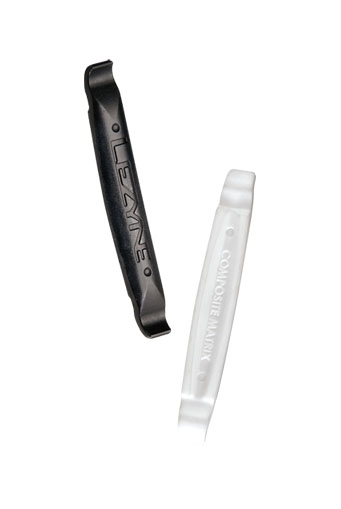
These are my tire levers du jour.

Lezyne Matrix Levers

The Lezyne Matrix levers are the smallest but still usable tire levers I have found.  I particularly like the narrow edge on the hooks.  They make easy work of getting under the bead of a tight tire.

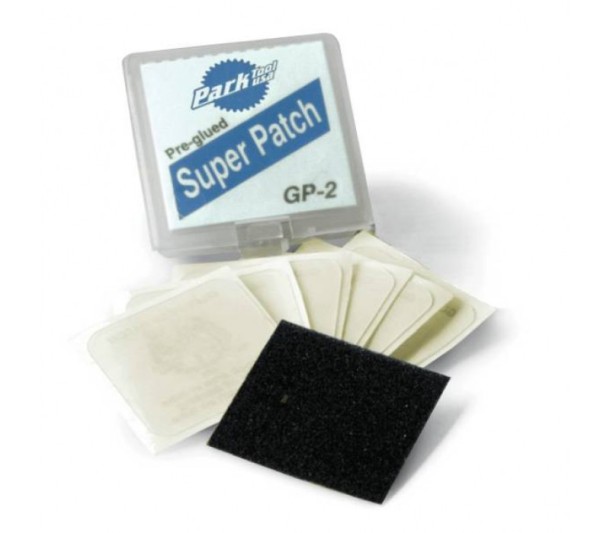
Apart from a spare inner tube I also carry a Park Tools Super Patch kit.  This is another yet-to-be-used item, but one of these days I will have two flats on one ride.  Or be in a group  that has run out of spare inner tubes.

Park Tools Super Patch

The last item in my on-bike tool kit always gets used.  I had a rear puncture with 9 km to go on the Reverse Broga 105 today.  These Zogics Citra Wipes got the chain lube and tire grime off my hands and left them soft and smelling citrus fresh!

Citrawipes

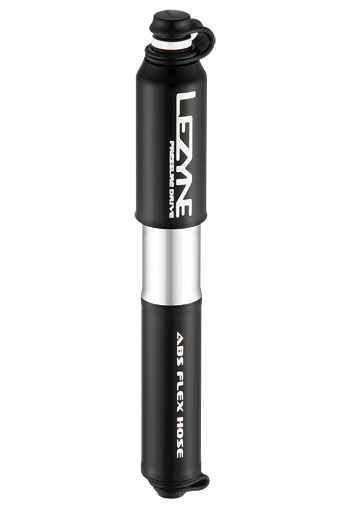
There is one more essential tool on my bike.  I used to carry CO2 canisters and an inflator of some sort (I have been through a few iterations of inflators).  I have never been caught with an empty CO2 canister but it would only be a matter of time.  So I have settled on a Lezyne Pressure Drive hand pump.  If nothing else a hand pump adds to my green credentials!

Lezyne Pressure Drive

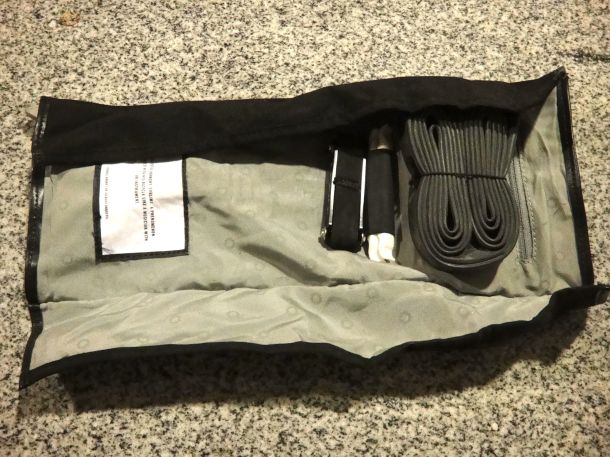
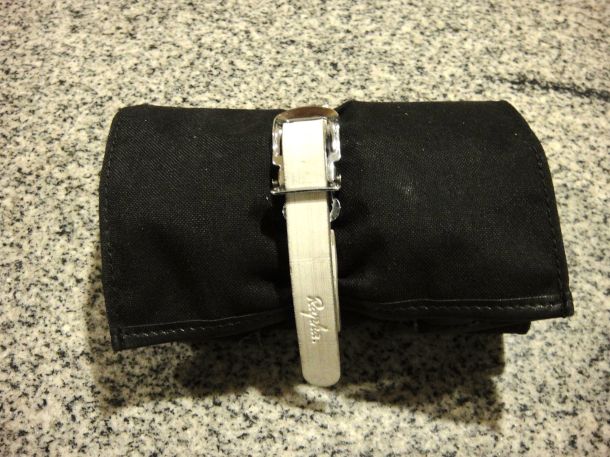
Everything other than the pump fits into a tool roll.  The PowerLock, 6-Pack, Super Patch kit and Citra Wipes are in the zippered pocket under the inner tube.

Tool Kit Unwrapped

Rolled up and ready to strap under my saddle.

Tool Kit Wrapped

The pump lives in a bracket that sits under the down tube bottle cage.  My on-bike tool kit is not an American Express card, but I don’t leave home without it.

Weather Blues

It has been pouring with rain almost every afternoon and into the evenings for the past two weeks.  The Racun Cycling Gang’s evening rides are not the only things that have been washed out.  Five times the normal daily rainfall contributed to a landslide that washed out a 200 meter section of road alongside Tasik Semenyih.  That puts paid to our weekend rides to the Tekala Recreation area for a while.  The landslide also caused a change in the route for tomorrow’s Broga Reverse 116 ride.  It is now the Broga Reverse 105.

Landslide

Photo courtesy of The Star Online

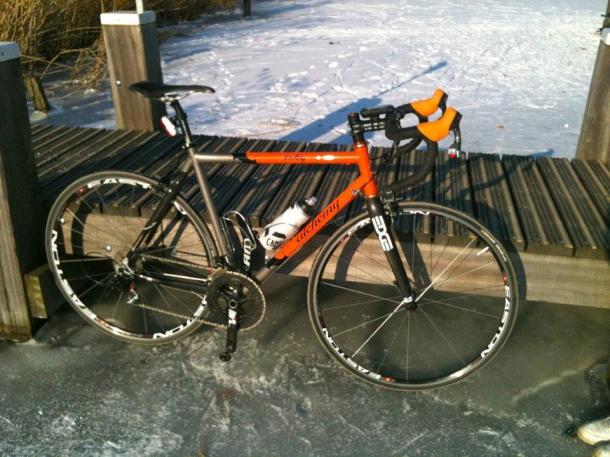
Precipitation of a different kind forced the cancellation of today’s Not Possibles morning ride.  Enough snow fell on Den Haag yesterday to make the bike paths icy and hazardous.  We were lucky last winter.  There were many below-freezing days and some snow, but not enough to get in the way of our Saturday rides.  Not last winter anyway.  This is on the Rottermeren.

Bike on Ice

It was a bit different in the winter of 2010.  I took this video from the warmth of our kitchen.  You had to be Dutch, or Inuit, to ride on this particular day.

Where to Park?

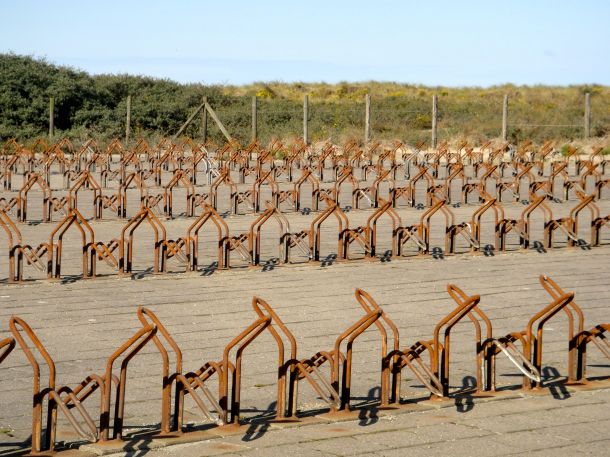
It is time for a breakfast taco, or some apple pie, or a roti canai, or just a breather.  You come to a stop and immediately look around for a way to keep your bike upright.  If you happen to be at the beach in Hoek van Holland in the Netherlands  you could park your bike in one of these racks.  And not have to worry about one of your most cherished possessions toppling over and getting scratched, or worse.

Hoek Van Holland Bicycle Parking

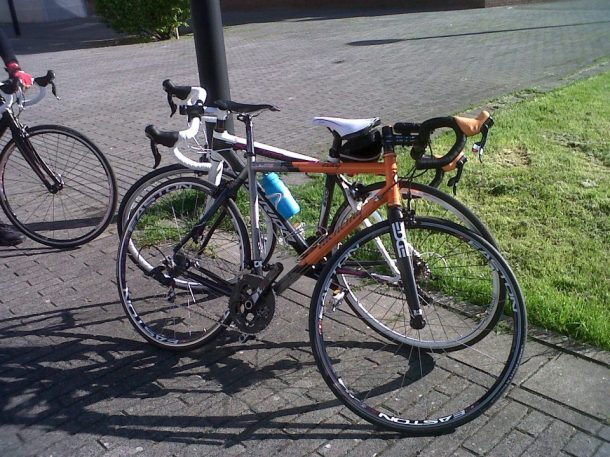
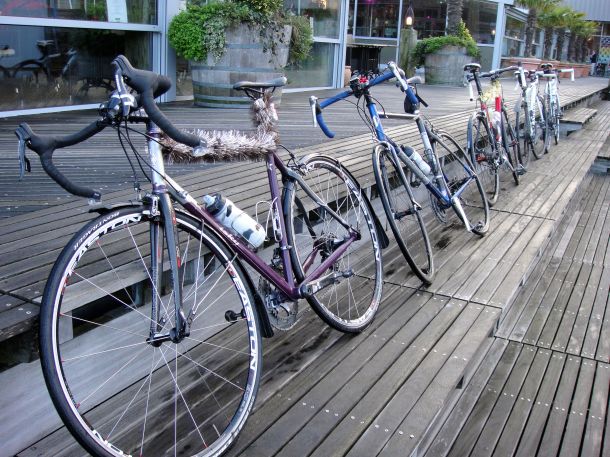
In the absence of a rack you have to make do with a pole or a fence or a curb to lean your bike against.  Usually somewhat nervously because the risk of a gust of wind pushing your bike over is ever present.

Standard Bike Parking

If you are in the midst of an organized ride you can bet your house that all available poles, fence space and curbs are already occupied when you pull into a rest area.  So you can resort to the double bike ‘interlock and lean’ technique as demonstrated below.  This is a relatively secure way of parking two bikes, but it does require careful adjustment if the ground is sloping.  Watching your bike roll into a heap on the ground is entertaining for everyone but you.

Photo courtesy of Azrina Kamarudin

Photo courtesy of Azrina Kamarudin

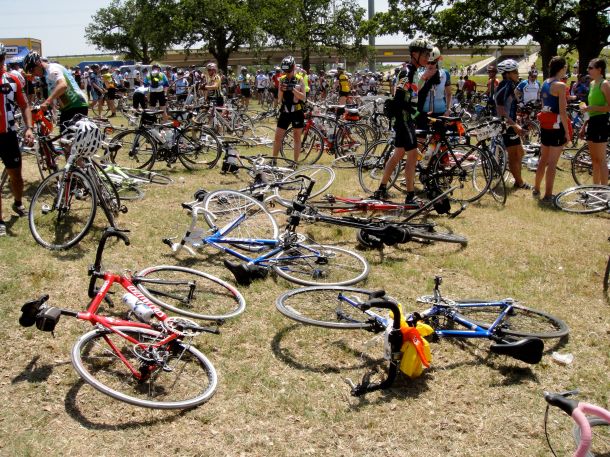
The alternative, if you are on grass, is to just lay your bike on the ground.  Drive side up of course!

If you are lucky the ride organizers will have provided bike racks.  This one is just a horizontal length of pipe that you hook your saddle or handlebar onto.  Simple and secure.

The Not Possibles have a convenient place outside the Coffee Club to park their bikes.  It was Christmas Eve by the way.

Spots like this where a dozen or more bikes can be parked are hard to find, especially outside cafes and restaurants.  Even more so outside the roti canai and nasi lemak stalls where I have been lately.

Nothing that a bit of creativity won’t solve though.  This was the scene across the road from the roti canai stall in Kundang this morning.

Where to park?  Just ditch it!

Mark’s Nasi Lemak Ride

The West End Bicycles Six Thirty group in Houston has Ted’s Taco Ride.  Mark’s Nasi Lemak Ride could become the equivalent for the Racun Cycling Gang in Kuala Lumpur.  Roti canai and teh tarik have made frequent appearances in my posts.  This is the first time I have mentioned nasi lemak.  Nasi lemak is another quintessential Malaysian dish.  Best described by a good friend of mine, Azlan Zahari Zahid, who writes a blog titled The Nasi Lemak Journal.  Click on the link to his blog to read his description of this very popular dish.

Mark Lim suggested that we add a ride to the Sungai Congkak Recreational Forest to the end of our round trip from Kampung Batu 18 to the Sungai Tekala Recreational Park.  More specifically, to the nasi lemak at Sungai Congkak.  Mark, Chon and I set off at 7.15am for Sungai Tekala.  Two hours later we were back at Kampung Batu 18 and ready for the main event of the day.  After a final 75 meters / 250 feet  of climbing we pulled up to an unassuming stall on the bank of a small river.

This is what we came for.

Individual packets of nasi lemak wrapped in banana leaf.  The traditional way of serving this dish.  Here’s what was inside each packet.

A little mound of coconut and pandan flavored rice topped with a sambal made from chillies, onion and dried anchovies, a slice of cucumber and a bit of omelette.  Simple and delicious.  We demolished two packets each in next to no time.  Which turned out to be the last of that batch of nasi lemak.  When Marvin and his friend, whom we had met up with toward the end of our ride, arrived a short while later they had a thirty minute wait for the next batch to finish cooking.

The stall was relatively cool, nestled as it was at the edge of the jungle and next to a small river.  The water made a pleasant roar as it tumbled over the rocks.

We sat with our teh tariks and enjoyed each other’s company and the calm surroundings.  My sense of well-being due no doubt to the two helpings of nasi lemak that I had just devoured.  As I gazed around the stall I noticed a framed newspaper article on the wall titled “Me and My BMI.  Nasi Lemak and the Art of Bicycle Maintenance.”

It turns out that this particular nasi lemak stall is well-known.  The proprietor Haji Ramli Maon and his wife Rosnah Zakaria have been serving one of Malaysia’s favorite breakfast meals to cyclists and non-cyclists alike for more than fifteen years.  A stream of whom had turned up on bikes and in cars as we sat there.

Marvin and his friend got their nasi lemak, piping hot and fragrant, fresh out of the pot.  They agreed it was worth the wait.  Mark, Chon and I had a third packet each.  We couldn’t resist.  Especially when a packet costs only RM 1 / USD 0.33.  My somewwhat excessive breakfast of three packets of nasi lemak and two teh tariks cost the princely sum of RM 6 / USD 2.  I paid the equivalent of fifty nasi lemaks to the guy who came by selling bottles of jungle honey.  If he is to be believed that honey is a miracle cure for most any ailment.  Mark has already tried some of his.  He confirms his thumbs up rating for the honey.

Chon (left) and Mark, jungle honey and teh tariks.

I give the whole morning a thumbs up.  I don’t think this will be the last Mark’s Nasi Lemak Ride.

2 Into 6 ft²

My biker chick and I had just a few requirements while shortlisting apartments in Kuala Lumpur.  Easy access to the Light Rail Transit system so we can avoid the traffic jams.  A guest room for all our friends who have promised to visit us.  A study for work and online shopping.  And space for two bicycles, a workbench, a work stand, and shelves to hold helmets, lights, gloves, spare tubes, and the rest of my cycling paraphernalia.

I was spoiled in Den Haag.  We had a basement utility room that easily doubled as a store room and bicycle workshop.  It quickly became apparent that I would not have the luxury of that much space in Kuala Lumpur.  Unless I took over one of the bedrooms.  Which might have meant living on my own.

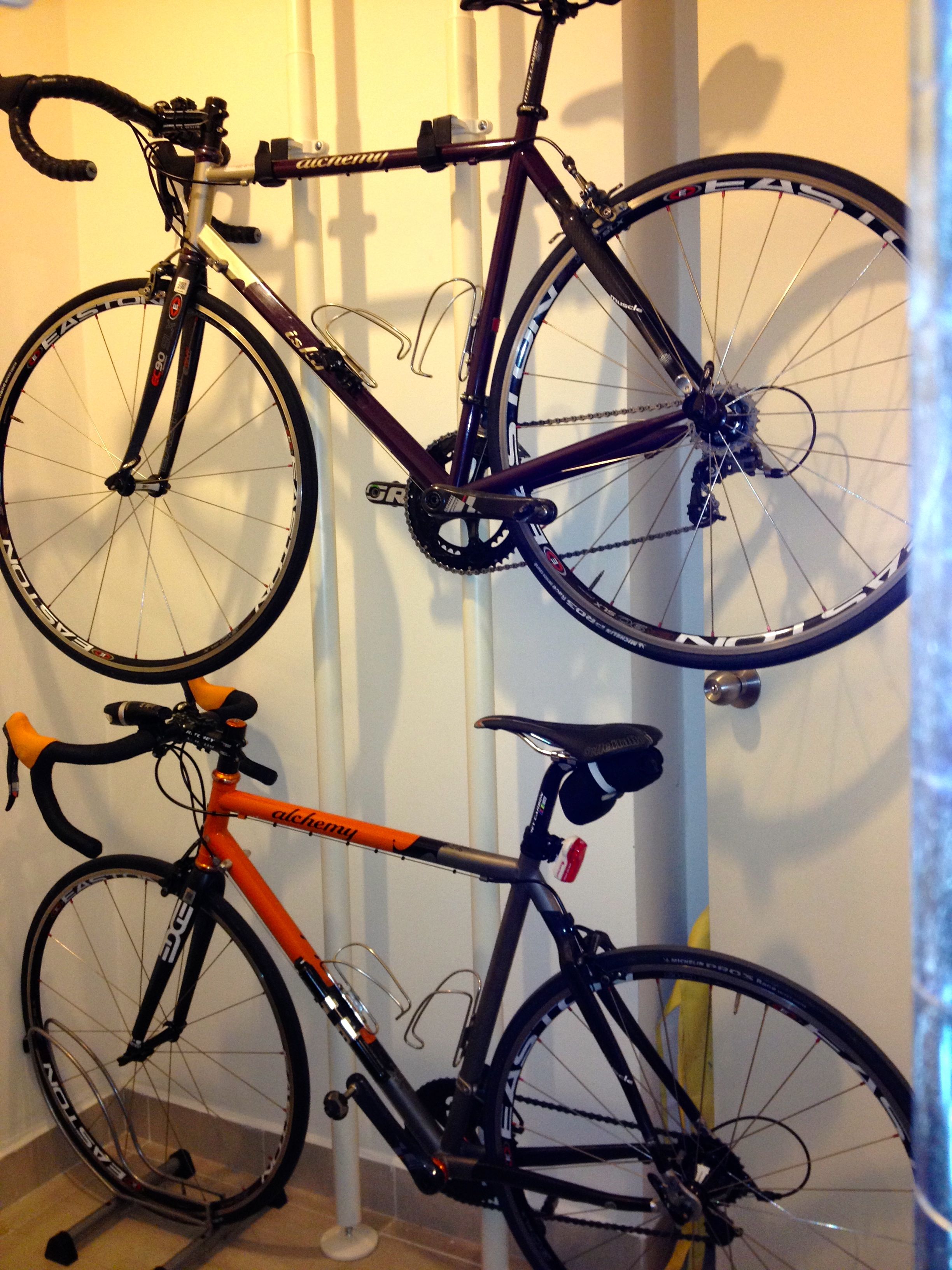
The apartments in Kuala Lumpur on our shortlist all had maid’s rooms that could become bicycle rooms.  They all had small maid’s rooms that could become small bicycle rooms.  I have 6 square feet at my disposal.  Once I got my workbench and shelves into the maid’s room I was left with 4 square feet.  That isn’t enough space to have both bikes and myself in the room at the same time.  So for a while I would wheel one bike outside when I wanted to work at the bench.  Biker chick suggested that I rack one bike above the other, and also suggested what to use to do that.  Smart girl.

We once had an IKEA Stolmen system in our bedroom.  She suggested using two posts and some hooks to hang one bike above the other.  That is a great solution because the posts telescope to fit a range of ceiling heights, and the hooks can be mounted anywhere on the posts.  Another big advantage is the posts do not need to be bolted to the floor and the ceiling so installation is very easy.  The hardest part of the installation turned out to be sliding pieces of old inner tube onto the hooks.  700 x 23c inner tubes are a very tight fit on Stolmen hooks.  Dishwashing liquid and some elbow grease did the trick.

Now I have one bike in a stand against the wall, and another suspended above it on non-scratching hooks.  It isn’t the cheapest solution but it is quite elegant.  And portable, in case our next move is to somewhere with a similarly small bike space.

A Capital Idea

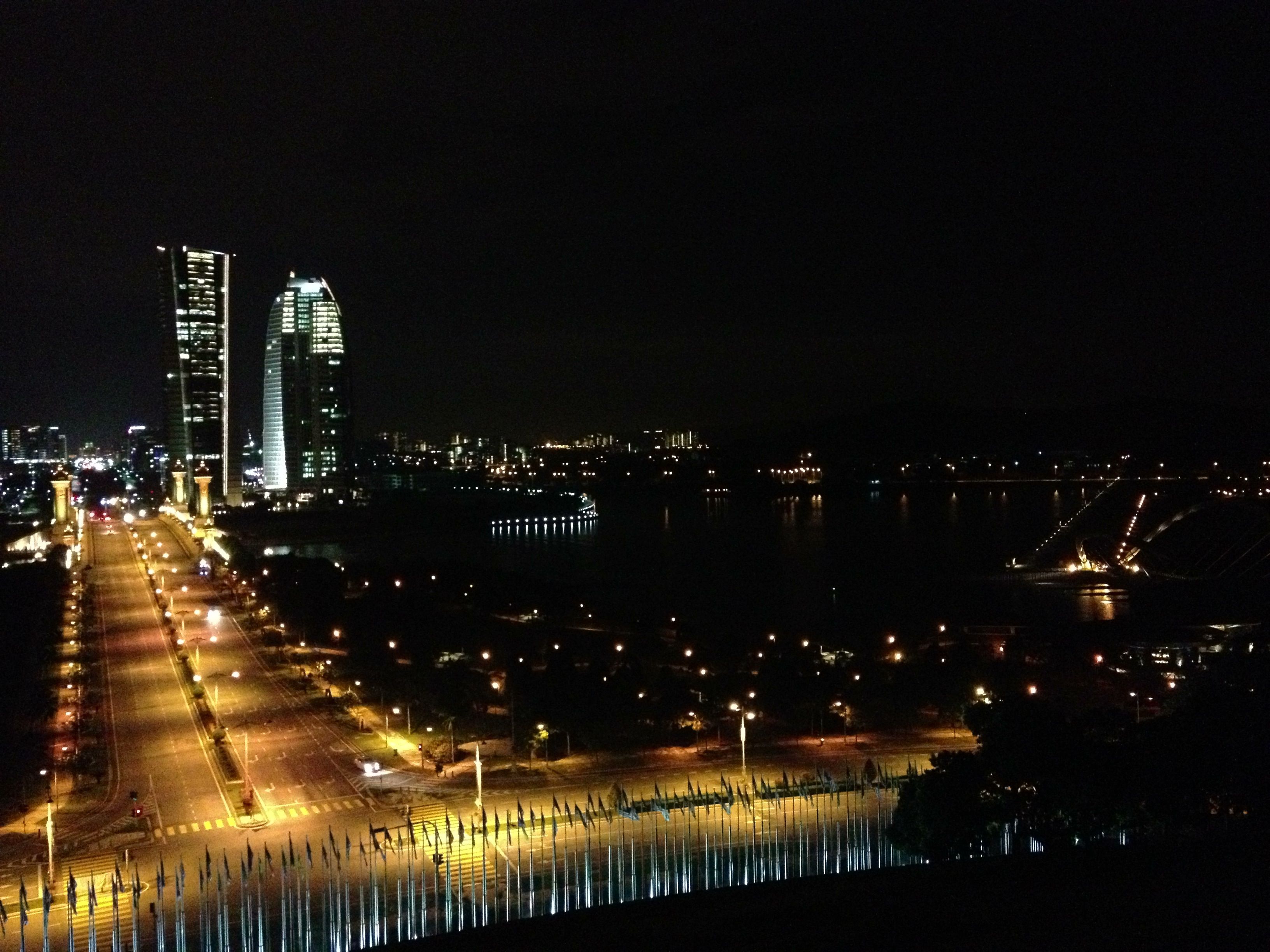
The Racun Cycling Gang does regular rides through Putrajaya.  Putrajaya is the administrative center of Malaysia, much like Brasilia is for Brazil and Canberra is for Australia.  And like those capitals Putrajaya is a planned city, albeit the newest of the three.  The seat of government moved from Kuala Lumpur to Putrajaya in 1999.

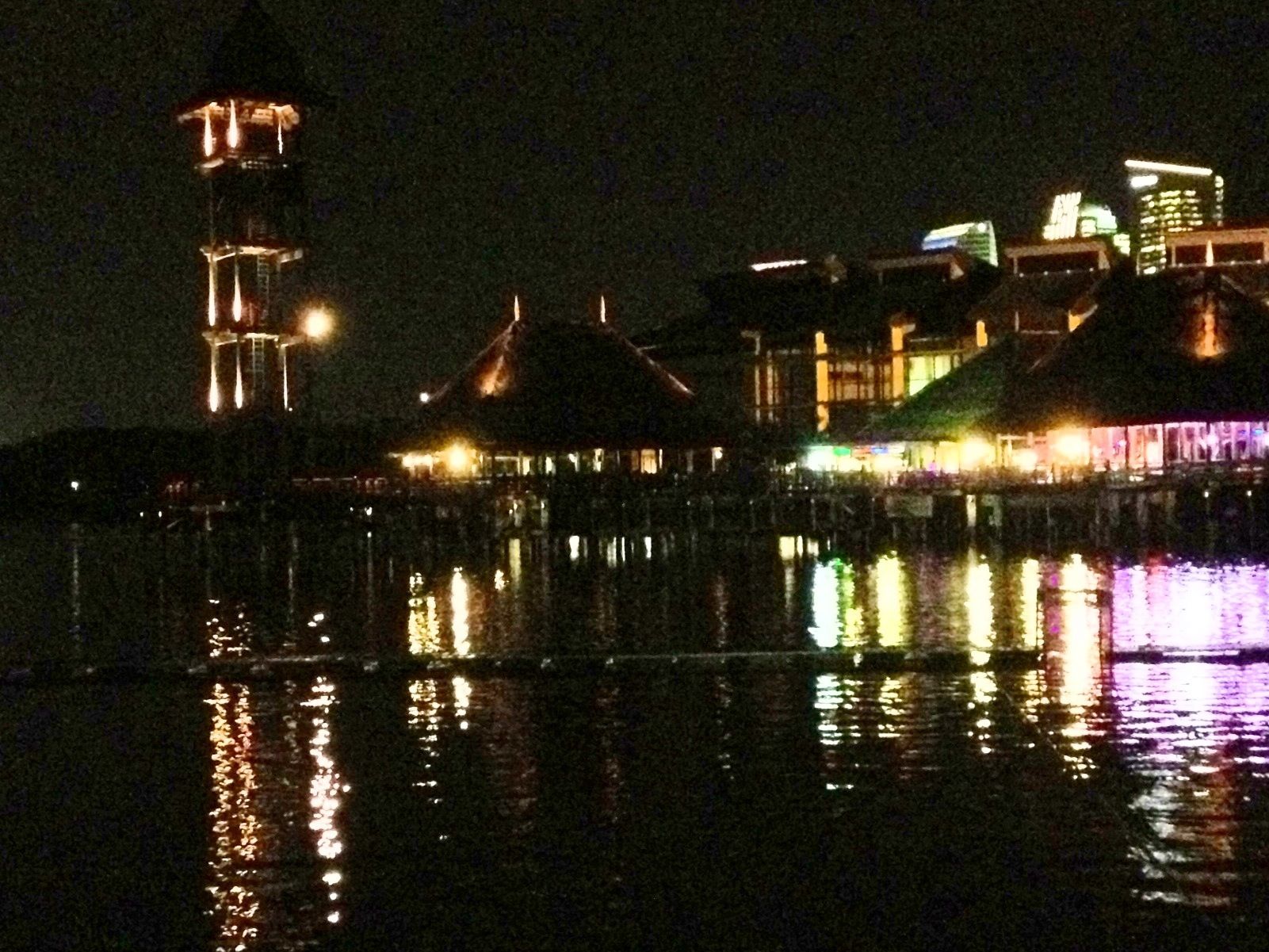
The 32 km/ 8,000 acre greenfield site presented architects with a blank canvas to cover with buildings and bridges in all manner of of traditional and modern design.  Much of Putrajaya is lit up at night, and the spot and colored lights make the buildings look even more spectacular.  Our ride started below the International Convention Centre.  Sadly we weren’t allowed to ride up the hill and circle the building.

We rolled down the hill from the International Convention Center and rode along the Putrajaya lakefront.  We passed in front of the Pullman Putrajaya Lakeside Hotel.

We then crossed the Seri Gemilang bridge toward the Ministry of Housing and Local Government buildings.

The next spectacular building we passed was the Energy Commission’s Diamond Building.  This is the first office building in the counry to obtain the Green Building Index platinum rating.

After the short sharp climb to Wisma Putra or the Ministry of Foreign Affairs we shot back down the hill and covered a roughly semicircular route from east to west.  We then turned eastward again across the  Seri Wawasan bridge to get to Persiaran Perdana or Perdana Boulevard.  Persiaran Perdana runs north-south and is the longest boulevard in Putrajaya.

We headed north on Persiaran Perdana to the circular Dataran Putra.  Around the 300 meter circle are the Prime Minister’s office complex, the Putrajaya Souk and the Putra Mosque.

From the mosque it was a straight ride southward back across the Seri Gemilang bridge to our starting point below the International Convention Centre.  Here is the final look back across the bridge.

Giving it the Full Muller

I began collecting bike tools the day after I had my first flat tire.  To be ready for my next flat tire I bought a Genuine Innovations Ultraflate Plus, some CO2 canisters, inner tubes, a patch kit and a set of Pedro’s tire levers.  Blaine G. at West End Bicycles recommended the orange tire levers because they were easier to find if you dropped one in the dark.  I also bought a Park Tool MT-1 Multi Tool.  Having a multi tool seemed like a good idea, not that I knew what to do with it at the time.

I am a DIYer so the need for another tool presented itself often enough.  I would then visit West End Bicycles, credit card in hand. I decided it would be a good idea to remove the chain to clean it so I bought a Park Tool chain tool.  I needed a hex wrench to change bottle cages.  I thought that while I was at it I might as well get a set of Park Tool 3-Way Hex Wrenches.  I kept stabbing myself on the sharp ends of the  MT-1 multi tool so I picked up a Topeak Toolbar Multi Tool.  Who knew that you could never own enough multi tools?

My collection of bike tools continued to grow.  A pedal wrench.  Various screwdrivers.  Some bigger ticket items like a Feedback Sports Pro-Classic Work Stand and a Guistaforza torque wrench.  I got to the point where I could remove, degrease and replace pedals.  I could remove and replace a chain using SRAM Powerlock connectors instead of a chain tool.  Does anyone by chance want to buy a lightly used chain tool?  I knew about torque settings for various parts like stem bolts and seat post binder bolts.  I was able to adjust a rear derailleur.

But some jobs were beyond me.  Removing a cassette for example.  Or disassembling chain rings.  I didn’t have the know how to do those things, let alone the tools.  So when my two year old steel bike was due for a full service, having carried me about 8,000 km / 5,000 mi,  I sent it to Tom Schouten Wielersport in Scheveningen.  It felt like a new bike when I got it back.  All the cables had been replaced.  The hubs, bottom bracket and headset had been cleaned and greased.  The wheels had been trued.  It had new bar tape.  It was cleaner than it had been since the day I took delivery of it.  The only downside?  It cost me €175 / USD225 / RM685.

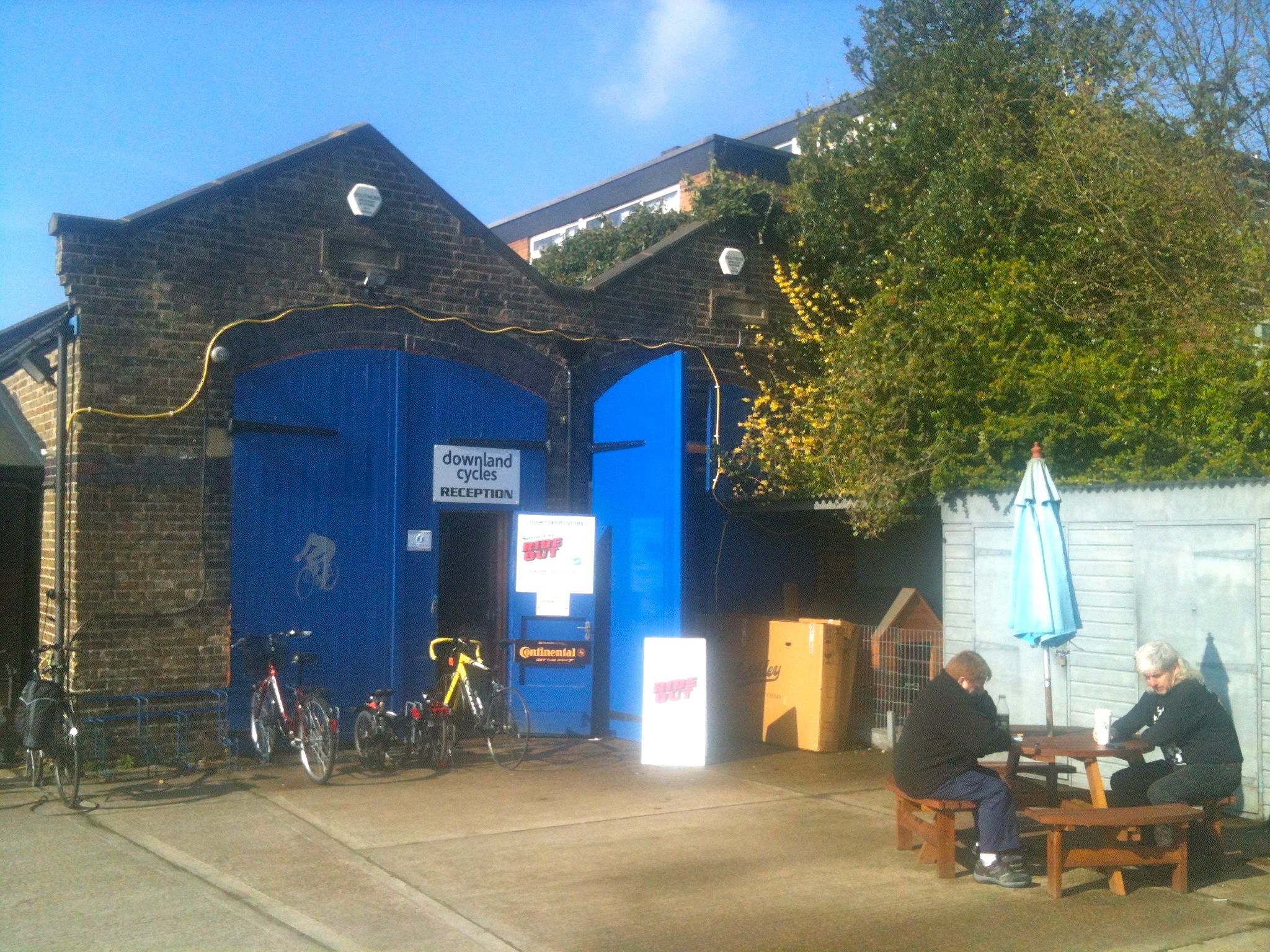
That got me to thinking that I should be able to do everything that Tom’s shop did.  Which is how I ended up at Downland Cycles in Canterbury for their 5 day Bike Maintenance course.  Bryan and Martyn take five students at a time and share the instructor’s role.  My fellow course mates were Delma E., Chris D, Ralph S. and Dave S.  This is Delma and Chris on a lunch break outside the retail shop.
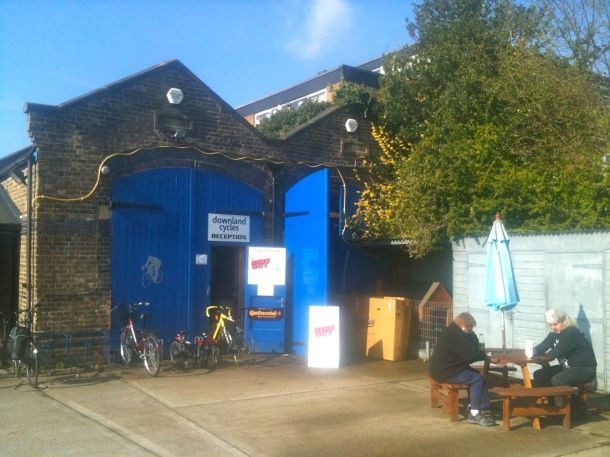
The course is run in Downland’s e training center next to the retail shop.  We each had a fully-equipped work bench and work stand.  There were tools on that work bench that I didn’t recognize, let alone know how to use.  A particularly mysterious item on our work benches was this.

You can opt to bring your own bicycle to work on during the course.  Bryan and Martyn must trust their teaching abilities enough to be confident that a student will leave with their bike in better working condition than it was upon arrival.  Chris and I had flown to London, so we didn’t bring our bikes.  Neither had Delma nor Ralph.  Dave rode his bike to Downland’s every morning.

Bryan and Martyn were excellent teachers.  The course was comprehensive and covered road and mountain bike maintenance.  We even had a session on wheel building and truing.  We all learned a lot.  Including the fact that the bicycle maintenance universe is divided into the Shimano and SRAM galaxy and the Campagnolo galaxy.  We lost count of the number of times Bryan and Martyn said something along the lines of  “This is how you remove Shimano and SRAM cranks, but not Campagnolo,” or “This is the tool you use to remove a Shimano or SRAM cassette lock ring, but not Campagnolo.”  It quickly became apparent that a full-service shop needed two sets of tools.  One set for most bikes and one set for Campagnolo.

We spent a lot of time ensuring that bolts were tightened to the proper torque.  This is particularly important with carbon parts, which will crack if bolts are overtightened.  Dave had to unlearn the habit he developed while working on motorbikes.  Which was his “Full Muller” approach to tightening bolts.  That is to say, tighten until you can’t tighten anymore.

We all gave it the Full Muller over the five days.  There was a lot to take in to be ready to face the Friday challenge.  Which was to completely strip a bike down, including removing the fork, disassemble the chain rings etc., clean and lubricate all the parts, replace cables as required, reassemble the bike, adjust the shifting and brakes, and do a systematic safety check of the bike when we were finished.

Dave even replaced a part or two on his bike and rode away that evening on a testament to his newly acquired wrenching skills.

I do most of the maintenance work on my bikes myself now.  Which of course means that I own even more tools.  So many that I needed to get a workbench with a peg board for them.
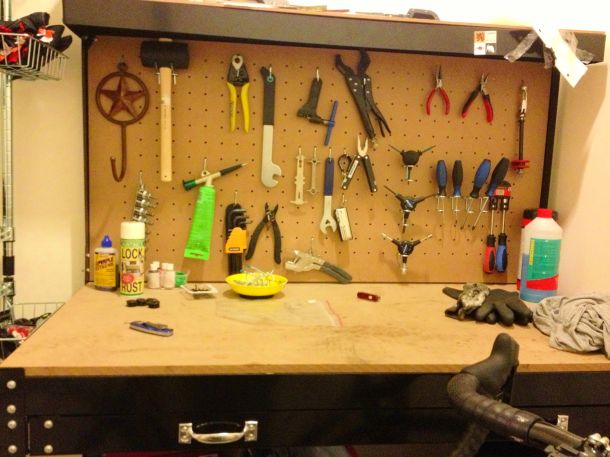
And a shelf for the ultrasonic cleaner.  And a drawer for the Syntace Torque Tool 10-80.  Which I need to ensure that I don’t “give it the Full Muller” and ruin a bottom bracket cup or a crank bolt.

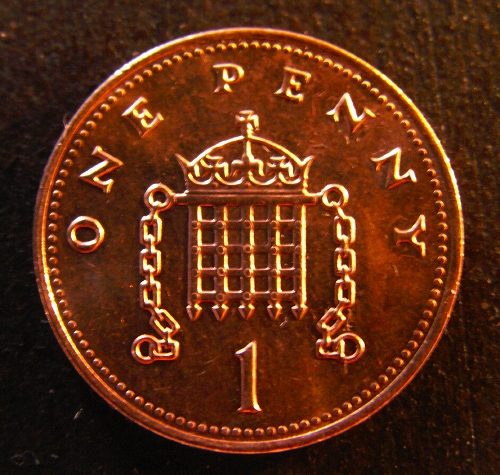
And what of the British one penny coin?  It turns out that the coin is 2 mm thick.  The perfect tool for measuring the correct gap between the chain and the inner cage plate of a front derailleur.
Eat to Ride, or Ride to Eat?

I learned the hard way that avoiding the bonk, or going hypoglycemic, on a challenging event, requires that I eat to ride.  Both before and during the ride.  Fortunately I don’t do many rides that require eating on the bike.  An activity that demands enough confidence, or stupidity if the roads are bad, to take your hands off the handlebar, sufficient dexterity to fish around behind your back to find your energy bar or gel or whatever, and gills so that you can continue to breathe while chewing and swallowing.  All the while pedaling so you won’t get dropped.

It is much more fun, civilized even, to ride to eat.  Houston’s West End Bicycles Six Thirty group introduced me to the delightful practice of riding as an excuse to eat.  After our Thursday evening rides we would gather at Jax Grill or Romano’s Pizza to “replenish our glycogen stores.”  I have already written about the mid-ride breakfasts at Dona Maria which give Ted’s Taco Ride its name.  Good company, a bit of exercise, good food and lots of laughter.  What a winning hand!

So it was “hip hip hooray” when I discovered that Den Haag’s the Not Possibles end their Saturday morning rides at the Coffee Club in Leidsenhage.  Appeltaart and the occasional uitsmijter are the foods of choice in Den Haag.  We have been known to linger over a second koffie verkeerd, purely for health reasons of course!

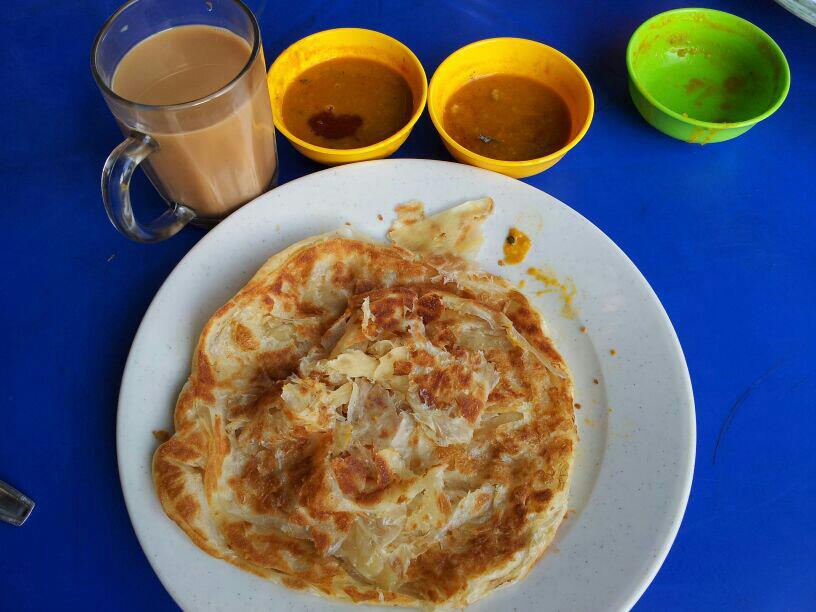
Malaysians live to eat.  That is indisputable.  So naturally every ride here involves eating.  Either mid-ride, or after the ride, or both.  Even the rides that require you to eat to ride, like the Broga 116, end with food of some description provided by the organizers.  The meal of choice for the Racun Cycling Gang and the Cyclistis is often the humble roti canai.  With a teh tarik to wash it down with.

Photo courtesy of Mark Lim

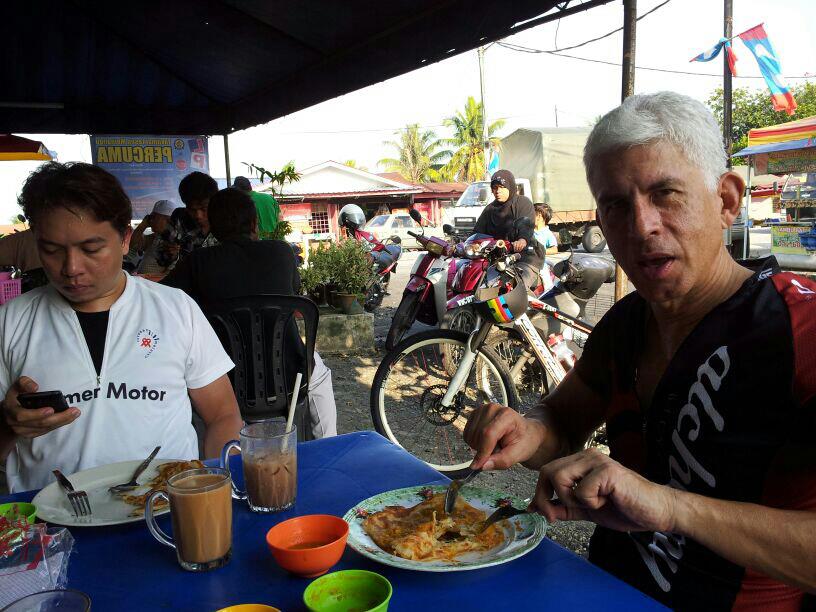
The best roti canai are crispy on the outside and soft on the inside.  Everyone who has ever had one wants another.  And another.  And another.  This was during a ride to Kundang.  Specifically to eat some roti canai at this roadside stall.  Shahfiq is taking an e-break.  I am starting on my second roti.

Photo courtesy of Mark Lim

The eating is only part of the experience.  Watching your roti canai being made is entertaining too.  Which you can do now too, courtesy of this video by Mark Wiens from his blog Migrationology.  As a bonus you will see teh tarik, the quintessential drink to go with your roti, being made.

I’ve been looking through Mark’s blog as I wrote this post.  His write ups and photos are making me hungry.  Good thing there is a ride this evening.  I need an excuse to eat a roti canai or two.

Ice is Nice

After last weekend’s Broga broiler my biker chick gave me strict instructions.  I was to get a full medical examination before doing any more hot and humid rides.  Which in Kuala Lumpur meant before doing any more rides – period.  Turning 55 was additional incentive, not that I needed it given that my cycling was at risk, to get checked out.

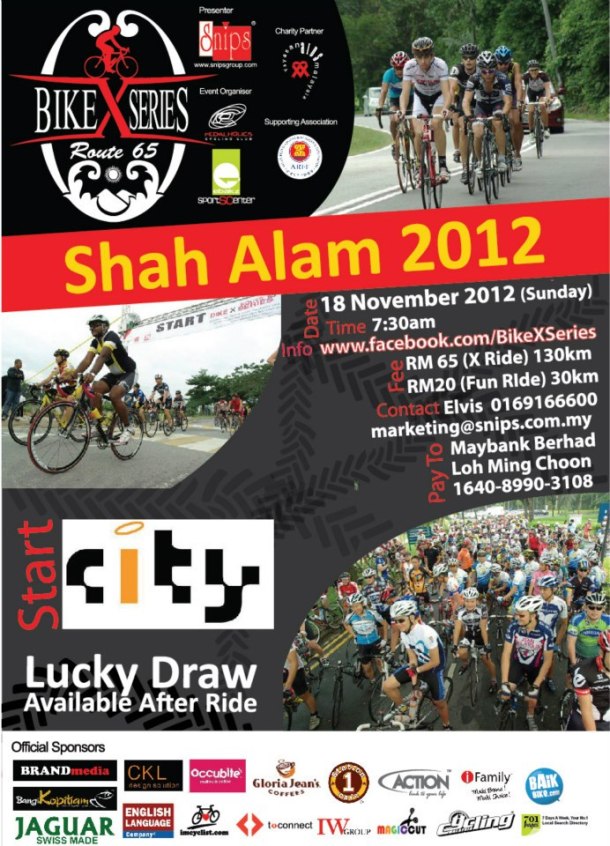
So I spent a few hours being been scanned, prodded, pierced, x-rayed and wired to various machines.  I was declared fully fit so I was able to turn my attention to what rides to do over the coming weekend.  A group from the Racun Cycling Gang and some Cyclistis had signed up for this ride:  a charity ride in support of the Malaysian Aids Foundation.

By the time I got my act together registration for this ride had closed.  Fortunately, or perhaps unfortunately given the weather forecast for the day of the ride, the organisers accepted my entry despite my tardiness.  The ride was 130 km.  There was one water stop, at the 80 km point.  The organisers recommended that riders have two, or better yet, three bottles to get them to the water stop.  I had three bottles on the Broga ride and that hadn’t been enough.  I would have to do some things differently to make it through this ride in better shape that I had been during the Broga ride.

The first thing to do differently this time would be to not let my heart rate shoot past 150 bpm.  The Karvonen formula, which is a more accurate way to calculate your maximum heart rate than the frequently quoted 220 minus your age method, puts my maximum heart rate at 165 bpm.  I suspect that part of my troubles during the Broga ride stemmed from riding at greater than 85% of my maximum heart rate for more than an hour, including hitting 165 bpm at a few points.  In other words I would have to curb my competitive instincts and not chase after faster riders.

The second thing to do differently this time would be to stay as cool as possible.  I should have done this very simple and, in hindsight, obvious thing from my first ride in Malaysia.  I put my three bottles in the freezer overnight.

Farid and I rolled through the start at about 8am.  It was already warm and it was obvious that we were in for a sunny morning.

Bike-X 04

Photo courtesy of Cycling Malaysia Magazine

You can see two frozen bottles in my cages.  The third bottle was in the rear centre pocket of my jersey.  Pouring ice cubes down someone’s back was a high school prank.  Who would have thought that I would volunteer for the equivalent now?  Regular sips of frosty sport drink combined with that lump of ice at the base of my spine kept me lukewarm rather than hot for most of the ride.

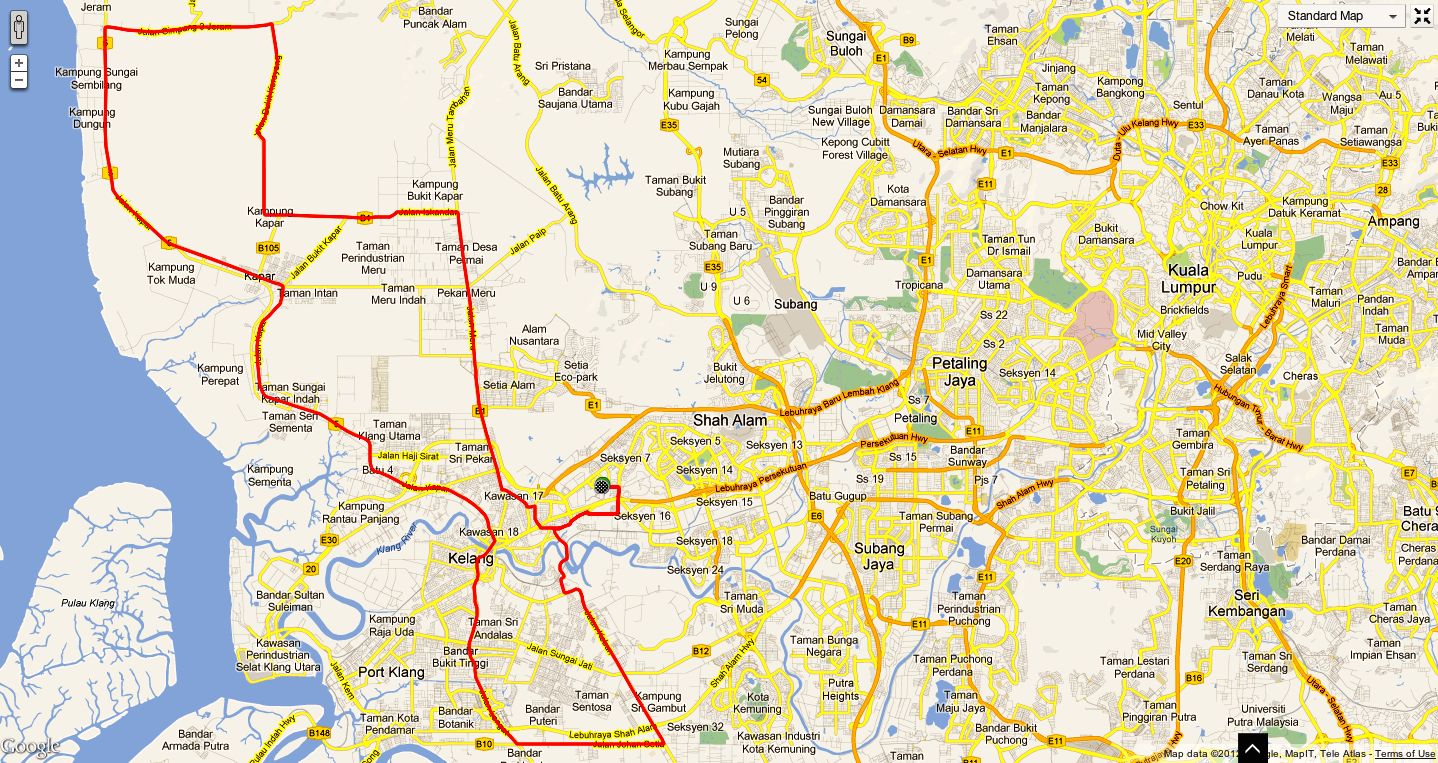
Despite taking turns at the front of a group that hit better than 40 kph at times I managed to keep my heart rate in check.  This was helped in large part by the very flat route.  We were riding on the coastal plain to the west of the city, where the only climbing was up highway overpasses.  Much like in both Houston and Den Haag.  We did approach one climb today but just as we got to the foot of the hill we turned to the right and away from it.  I was not disappointed!

Of course there is no avoiding the effects of the heat and humidity completely.  I was dripping in no time at all.  This time I remembered to bring my Sweat GUTR, which I had bought to keep the sweat out of my eyes in the 40° C and higher summer temperatures in Houston.  It still works a treat.

The water stop had been moved to the 59 km point.  I was glad to see it.  I refilled one bottle.  I probably should have topped up my other bottles but I didn’t want to dilute the Nuun sport drink.  I poured some water over my head and the back of my neck.  More to wash the sweat off my face then to cool down.  Once we got moving again it did help to have wet hair and a wet jersey.

The organizers had shortened the ride to 98 km.  I was not disappointed about that either!  By the end of the ride all three of my bottles were empty.  I rolled across the finish line hot and sweaty and in need of fluid.  As you can see there was more  to drink at the finish area.

Photo courtesy of Cycling Malaysia Magazine

It may not look it from the photo above but my strategies to not overheat worked.  The freezer is my new friend.