Monthly Archives: October 2025

Melbourne Capital City Trail Ride

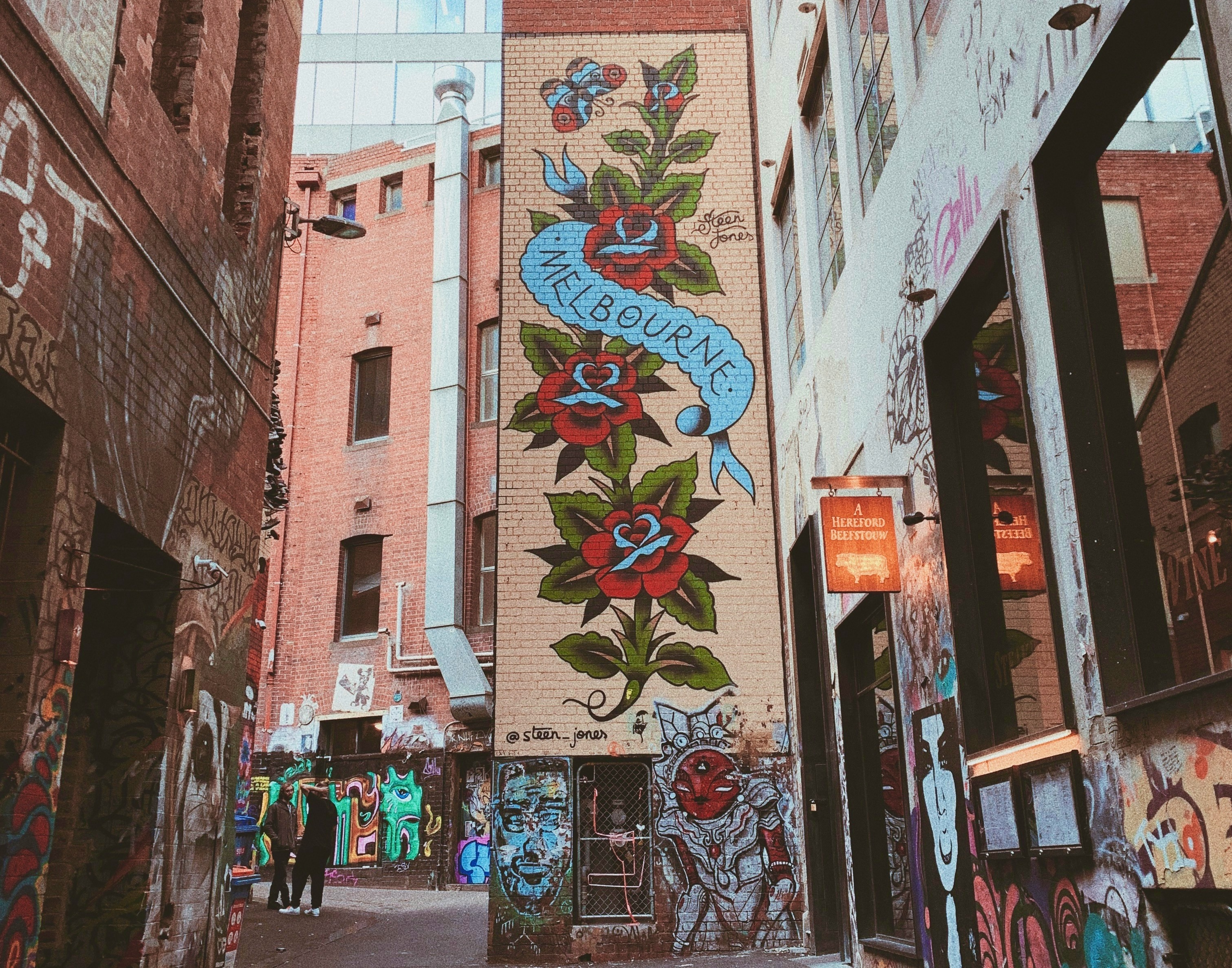
Photograph courtesy of Gabriel Tan on unsplash.com

Some months ago my son A, who lives in Melbourne, Australia, suggested that we participate in the United Energy Around the Bay ride. I said “yes.”

I still own the Ritchey Break-Away and the S&S Edge Pull Butterfly Latch Hard Case that I wrote about in 2019. You can read that post by clicking here.

I pulled the case out of storage nine days before my flight to Melbourne. It has been years since I last travelled with my Break-Away. In that time, the hard rubber tyres on the case wheels had completely perished. Those nubs on the plastic cores of the wheels made rolling the case untenable.

A series of emails to S&S Machine culminated in the delivery of replacement wheels via DHL. Shipping via the United States Postal Service would have taken too long. As I expected, the courier charge was a lot more than the cost of the wheels, but it was desperate times.

The replacement wheels were easy to install. I then had to remind myself about how to fit my Break-Away into the case. It was a Tetris-like task, but I eventually fit everything in.

Once the compression members (the white plastic tubes with circular caps) are in place, there is space to fit in shoes, bottles, tools and other small items. The compression members protect the bike by preventing the outside faces of the case from being pushed inward and crushing the bicycle frame.

A’s home is within riding distance of the Capital City Trail. The Capital City Trail is a 29 km shared-use path for cyclists and pedestrians, which circles the Melbourne city centre and includes some inner eastern and northern suburbs.

The Capital City Trail incorporates sections of other trails, including the Merri Creek Trail, Main Yarra Trail, Moonee Ponds Creek Trail and Inner Circle Rail Trail.

The map below shows the Capital City Trail. The map on the right is the route A and I took. We followed the Capital City Trail for the most part, with two brief excursions you will read about.

Maps courtesy of ridewithgps.com

This is the view down the Yarra River toward the city centre. Lots of rowing clubs were running “Learn to Row” sessions on the river. These are just a few of the dozens of boats on the water that morning.
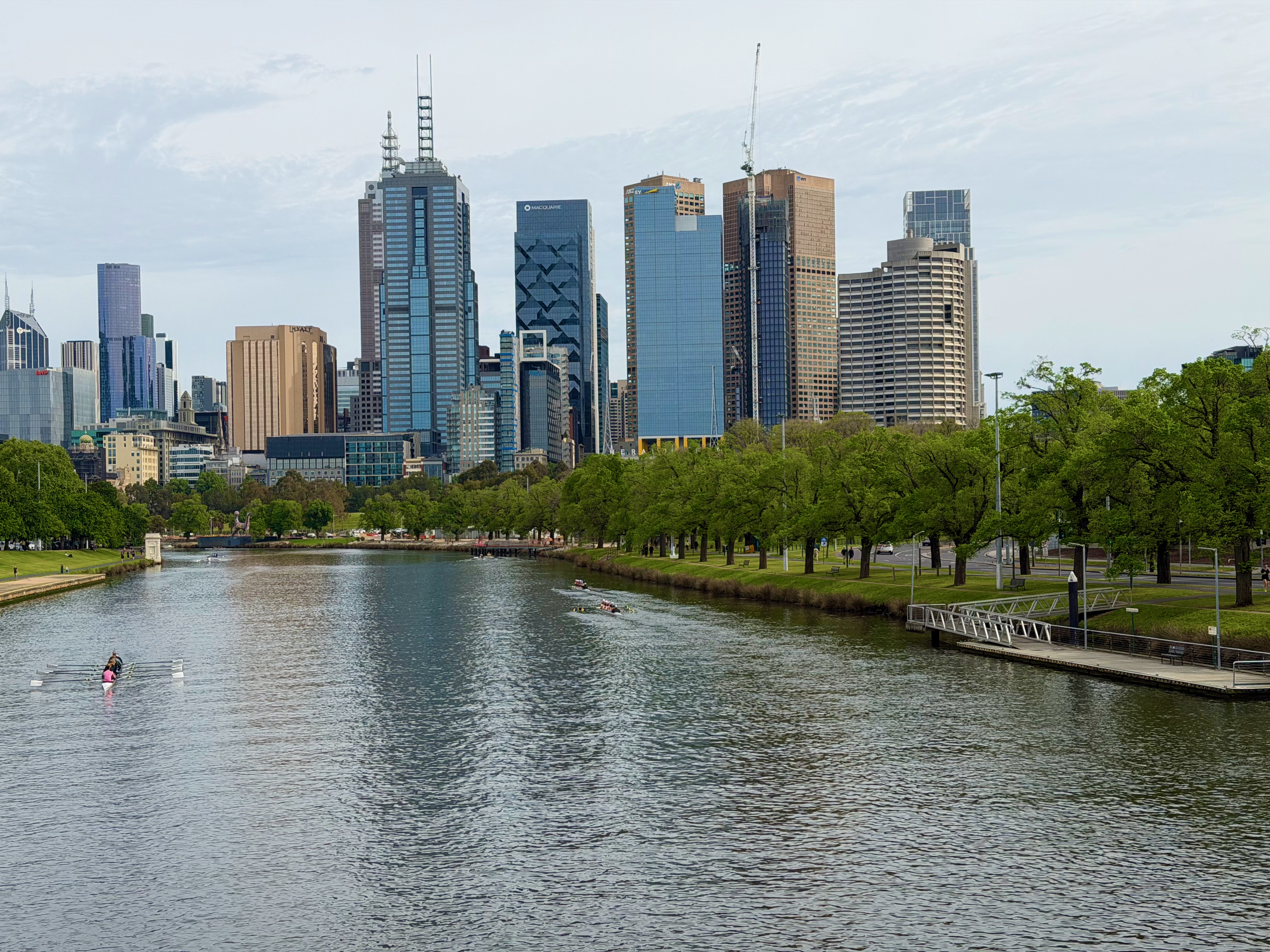
10 km upriver, and the Yarra is considerably narrower. No boats on the water here.

Our first excursion off the trail was to the Uncle Drew Café in Clifton Hill.
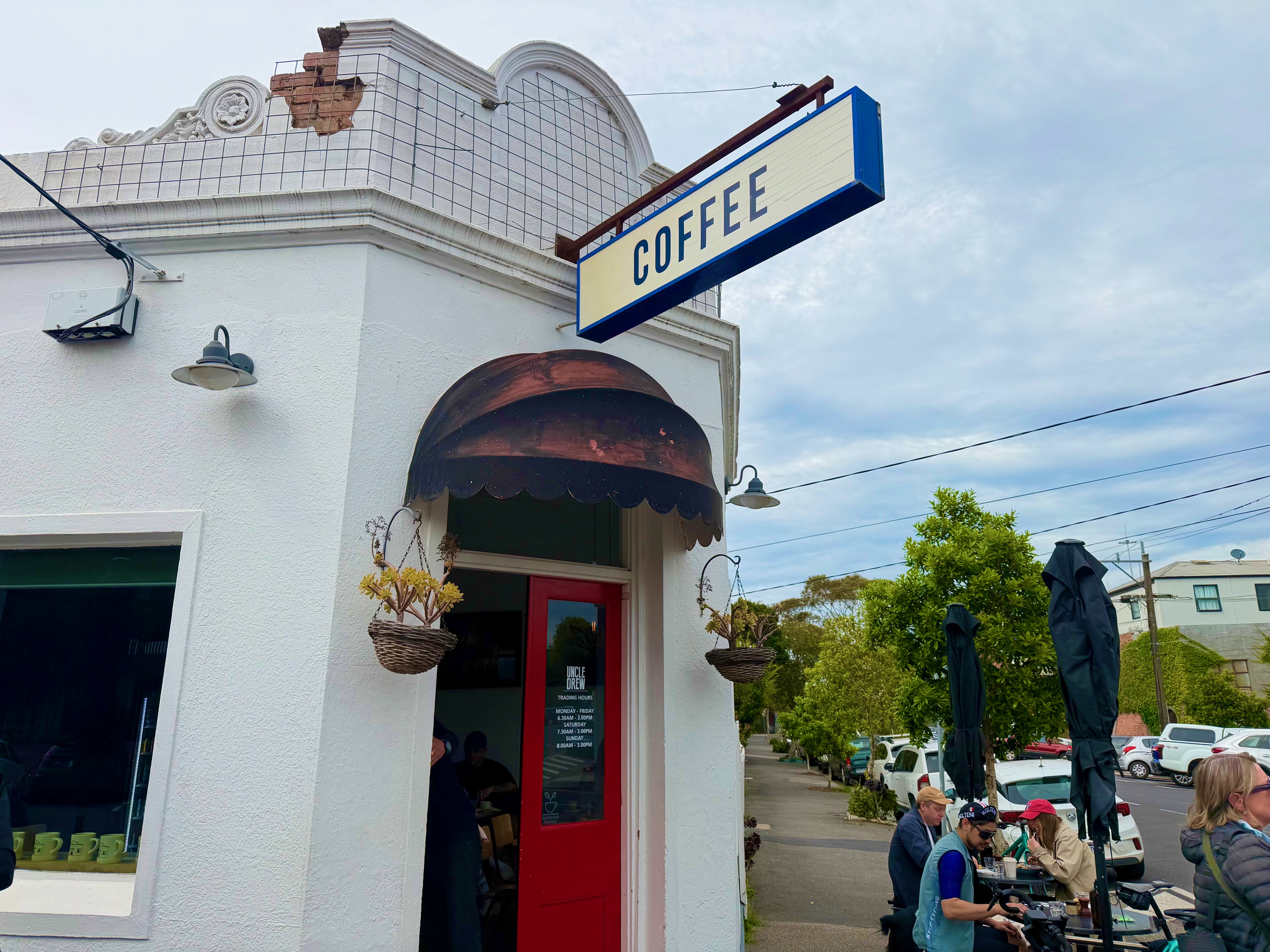
It wasn’t the warmest day with an average ride temperature of 18º Celsius, but it was dry and the air was still. We sat outside and enjoyed very nice breakfasts and coffees.

Our second excursion off-trail was after 19 km. We headed due north to the appropriately named Off Course Bike Shop in Brunswick.
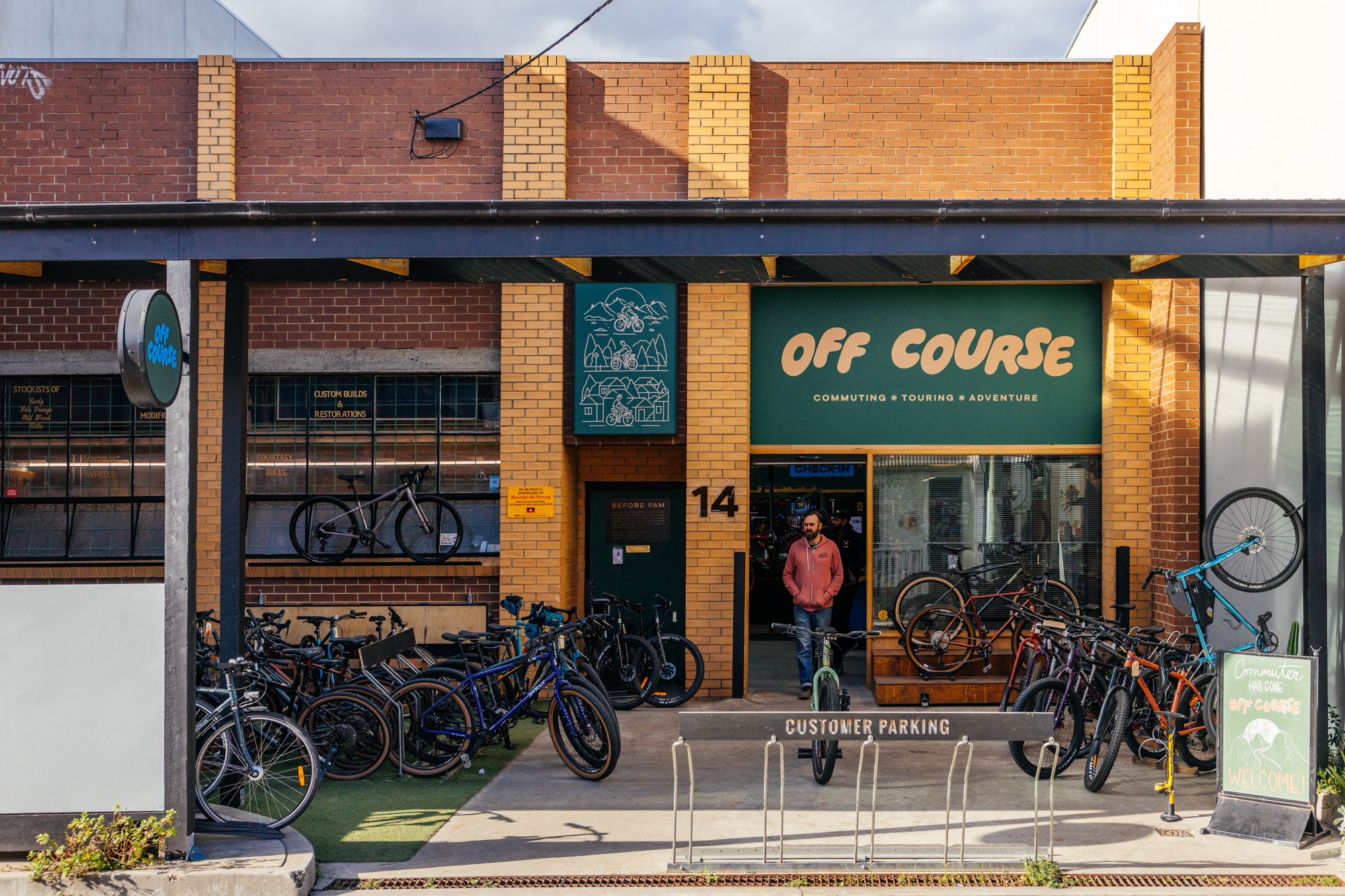
Photograph courtesy of radavist.com

Rain was forecasted for the Around the Bay ride. A suggested that we get Ass Savers so we don’t spray rooster tails of water onto riders behind us. I also bought thicker and more water-resistant gloves than the thin pair I brought with me.

We were back home after a very pleasant 49 km. Notwithstanding the 750 metre drag up Walmer Street at an average grade of 6.1%. It was a good warm-up ride for the Around the Bay ride the following morning.
Graphic courtesy of bicyclenetwork.com.au

The Return of Fully Supported Cycling Events in Malaysia

Base Image courtesy of Audax Randonneurs Malaysia

A fully supported cycling event typically takes place on closed roads, with the organiser providing water and food stops, medical support, mechanical assistance, and ride marshals to ensure safe riding conditions. These events often include a t-shirt or jersey, as well as a finisher’s medal. All for an entry fee, of course.

My first fully supported cycling event was the Humble Lions Club Ride in Houston in 2010. That was followed by the likes of the Gator Ride and the Space Race before I moved to the Netherlands and rode in events like the Gerrie Knetemann Classic and the Joop Zoetemelk Classic in 2011 and the Amstel Gold Race in 2012.

Gerrie Knetemann won the 1978 World Road Race Championship. Joop Zoetemelk won the Tour de France in 1980 and was World Road Race Champion in 1985.

I continued to participate in organised events after I returned to Malaysia in 2013. There was at least one event, usually 160 km long, per month. Each event offered the usual support – closed roads, water and food stops, ride marshals, and usually included a jersey and a finisher’s medal in the entry fee.

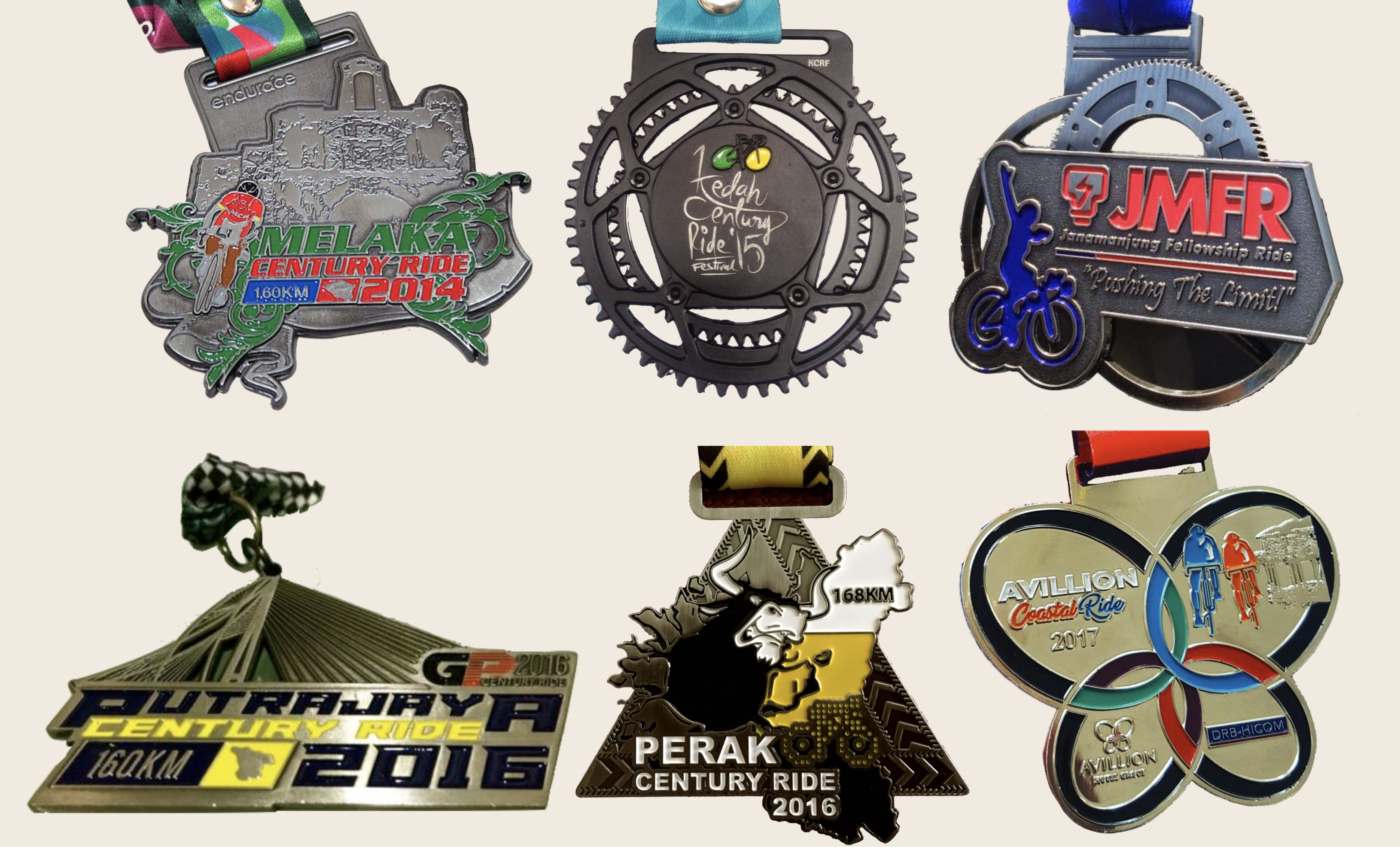
2016 was a watershed year for organised rides in Malaysia. For two reasons. That was the year that a ride organiser absconded with the entry fees collected from about 3,000 cyclists who had planned to ride in the Melaka International Century Ride. That ride was cancelled. To rub salt in the wound, many who registered for the event were liable for hotel and travel costs in addition to the lost entry fee.

My R@SKLs friends and I had non-refundable hotel reservations, so we spent the weekend in Melaka anyway. Click this link to read about The Replacement Melaka Century Ride 2016.

Unsurprisingly, cyclists were hesitant to pay in advance for events after the 2016 Melaka Century Ride fiasco. Organisers with a history of annual events, such as the Campaign for a Lane ride in Penang and the Janamanjung ride in Manjung, and events backed by a large organisation like a bank or a newspaper, continued to attract participants. First-time organisers fell by the wayside, so the total number of fully-supported events dropped in the following years.

2016 was also the year that Audax Randonneurs Malaysia (ARM) started organising official Brevets de Randonneurs Mondiaux (BRM) events in Malaysia. BRMs are long-distance events that require riders to complete a set route within a specific time limit. As the number of fully-supported events decreased, ARM went from organising two BRMs in 2016 to twelve BRMs in 2019.

BRMs differ from more traditional organised rides in two ways. The first is that BRMs are self-supported. There are no food and water stops, and no ride marshals to control traffic and to provide mechanical assistance.

The second is that BRM participants do not get free jerseys and medals. If you want a jersey or a medal, you pay extra. As a result, the entry fees for BRMs are lower than those for fully supported rides.

The requirement that each BRM rider must be self-sufficient, with personal support allowed only at checkpoints, makes BRMs less appealing to many recreational cyclists. I am not one of those. I have a few BRM medals. You would pay for one too after riding 200 km or more 😄.

Fully supported events might have made a comeback once cyclists forgot about what happened in 2016. But then COVID-19 happened. The Malaysian government imposed a series of Movement Control Orders (MCOs) from March 2020 until May 2022. These orders restricted movement and assembly, closed businesses and institutions, and limited national and international travel. 

ARM continued to organise BRMs whenever the MCOs allowed. There were nine BRMs in 2020, eight in 2021 and 13 in 2022. In fact, BRMs were the only option then if you wanted to participate in an organised ride with a planned route. Even long-running events like the LEKAS Highway ride, whose first iteration was in 2013, were cancelled in 2020 and 2021.

By 2024, fully supported rides were returning in the form of the long-standing LEKAS Highway ride and OCBC Cycle Malaysia, as well as new events like L’Etape Melaka and GFNY Kuala Lumpur.

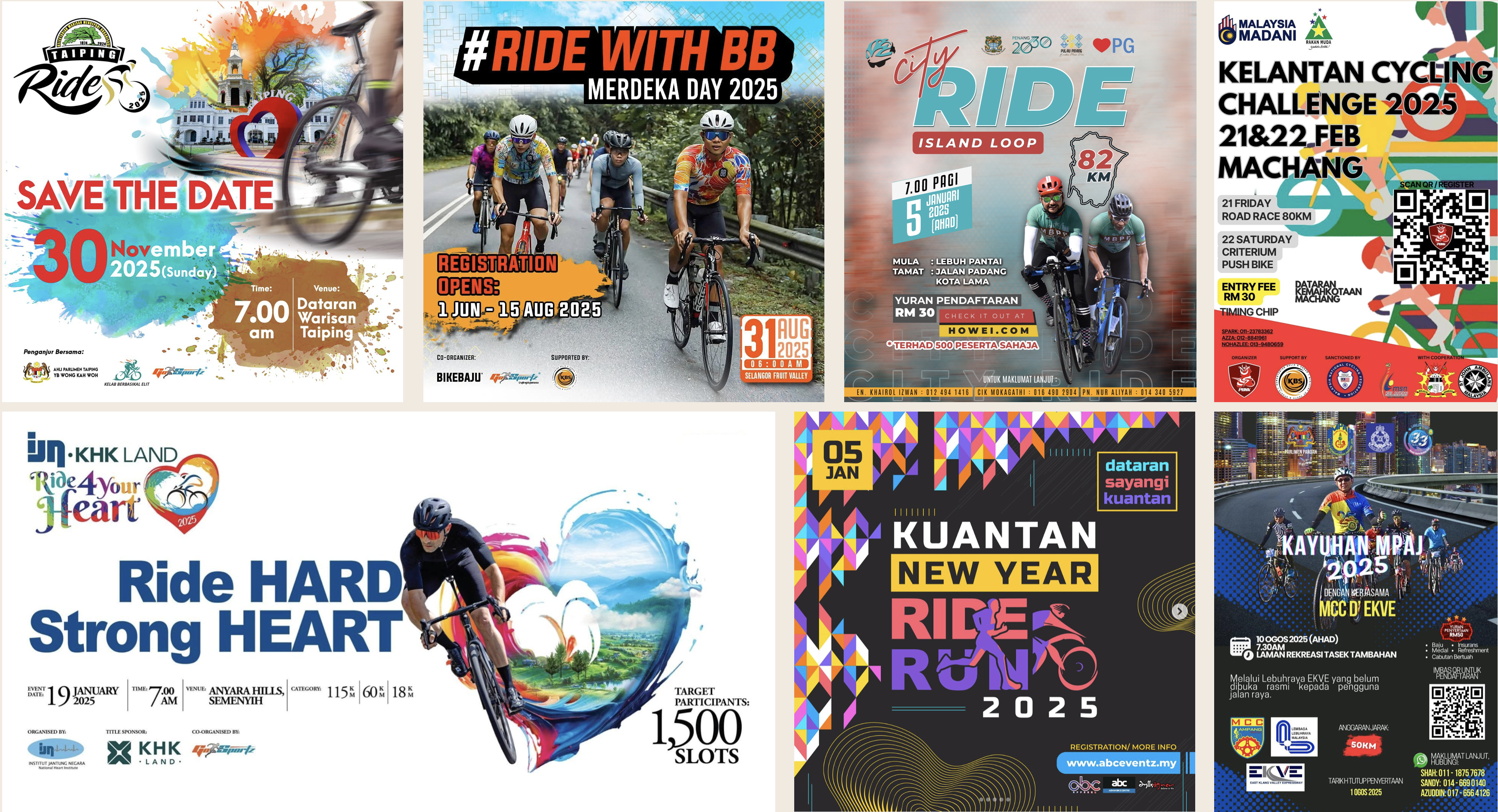
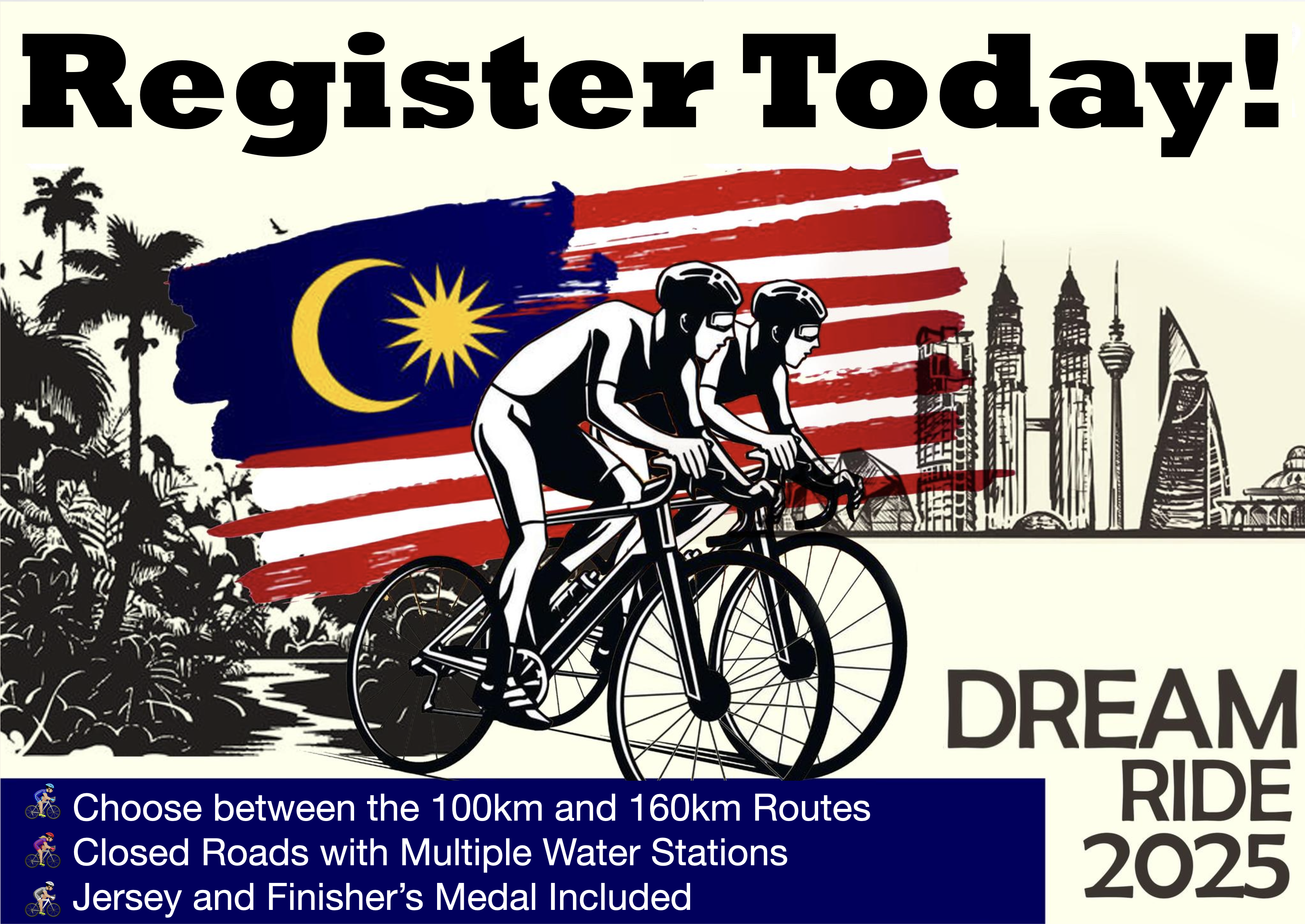
2025 appears to confirm the return of the fully-supported cycling event. I found at least eight, scattered throughout the year and around the country. Some friends and I did one of these rides in August, and we have signed up for another in November.

ARM is still going strong. There are twelve BRMs on the 2025 ARM calendar. Long-distance cyclists have a lot of choice again after a long dry spell.

Some friends and I have already signed up for ARM’s first offering in 2026.

Image courtesy of Audax Randonneurs Malaysia

Now, if only I could get all of the old crew back on their bicycles . . .

Photograph courtesy of Vanessa V