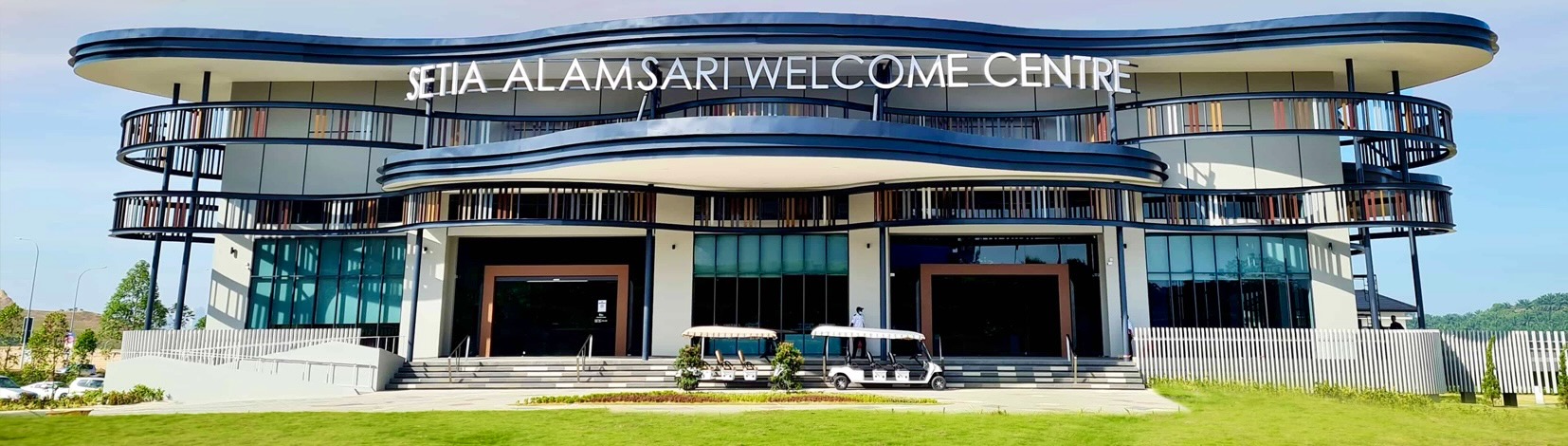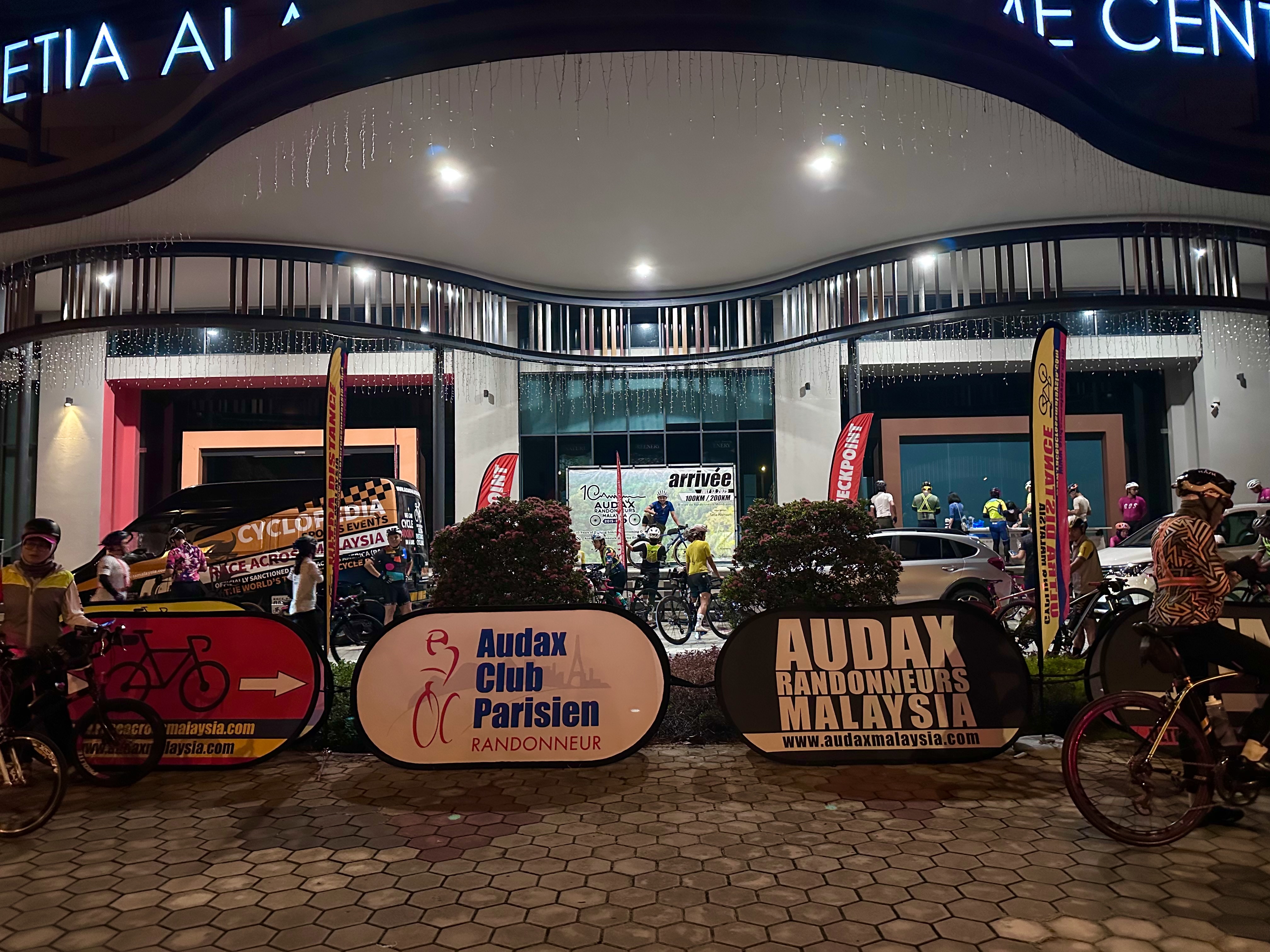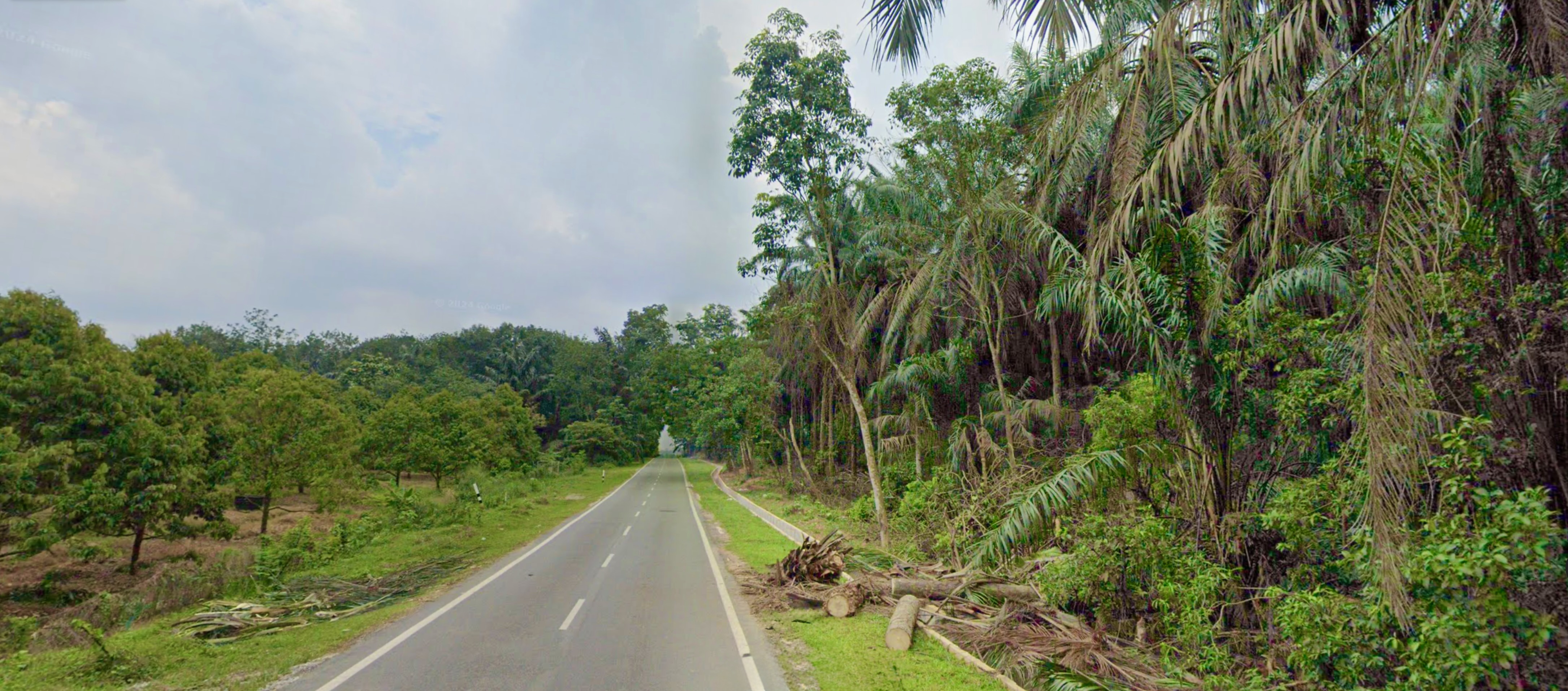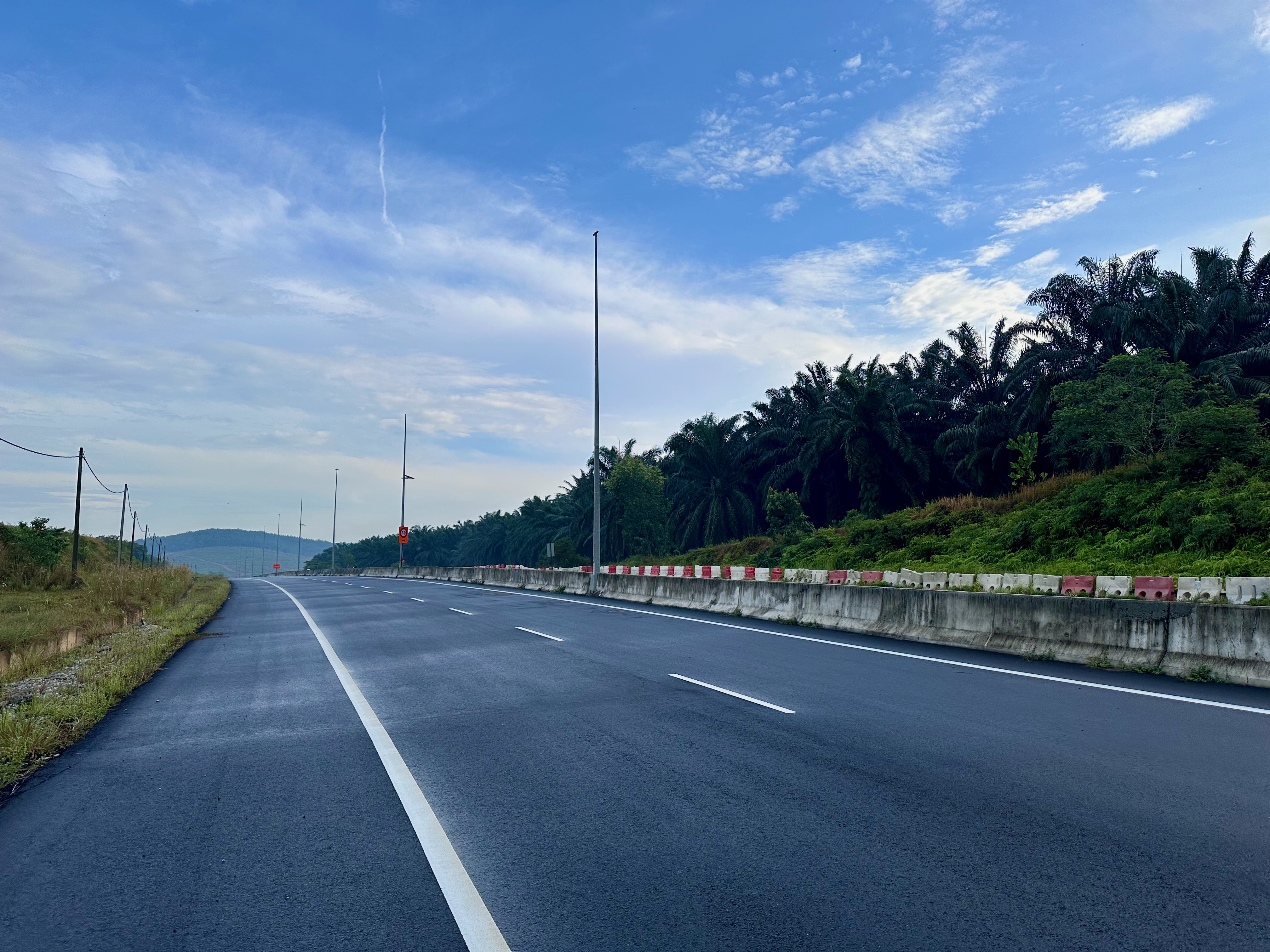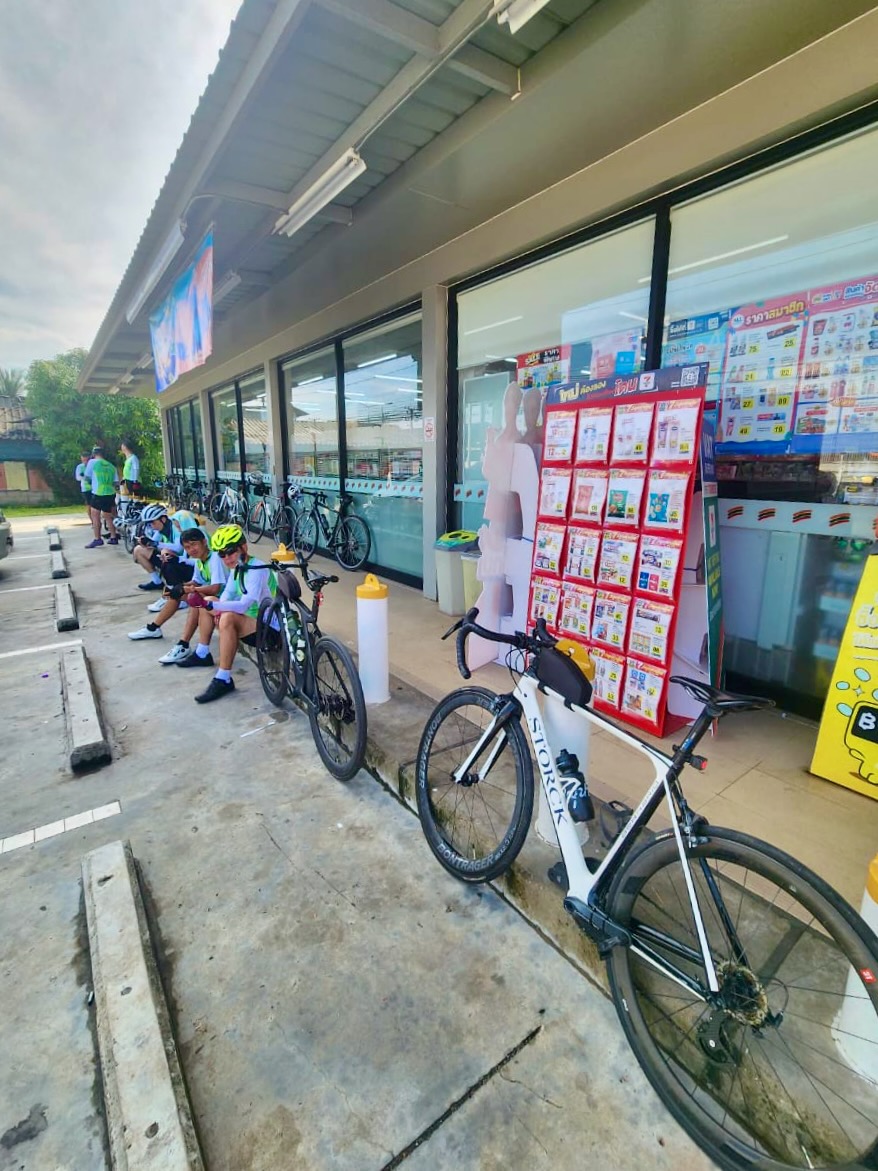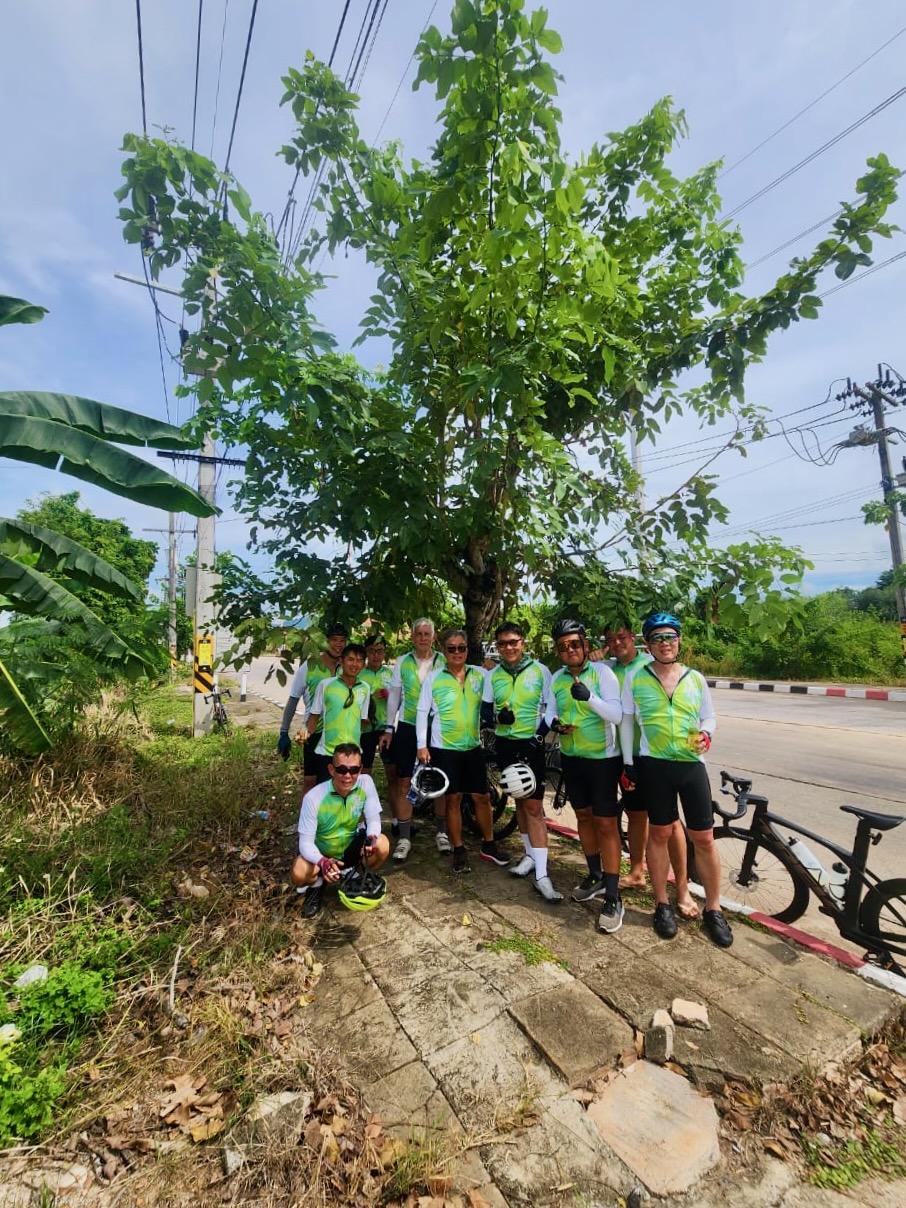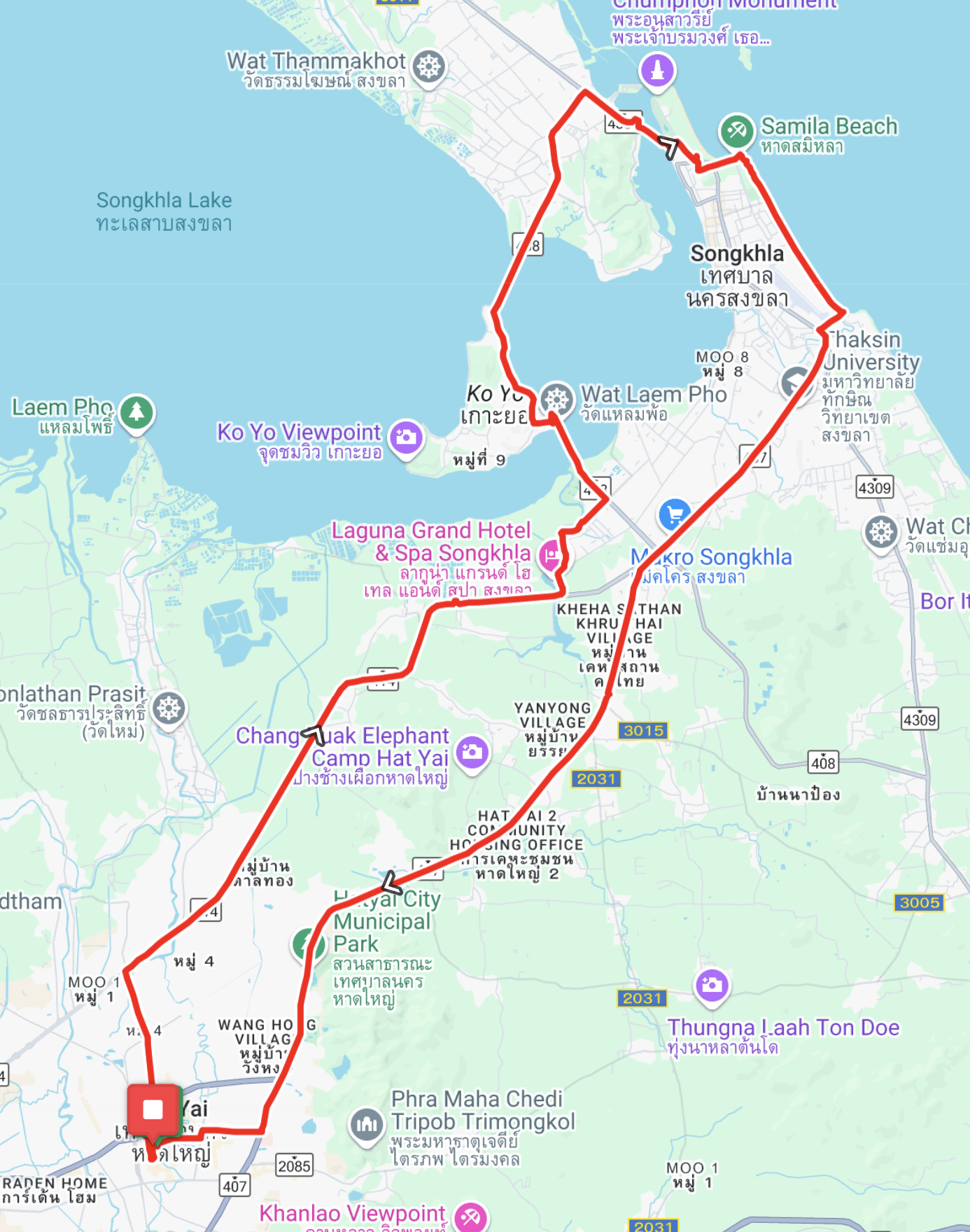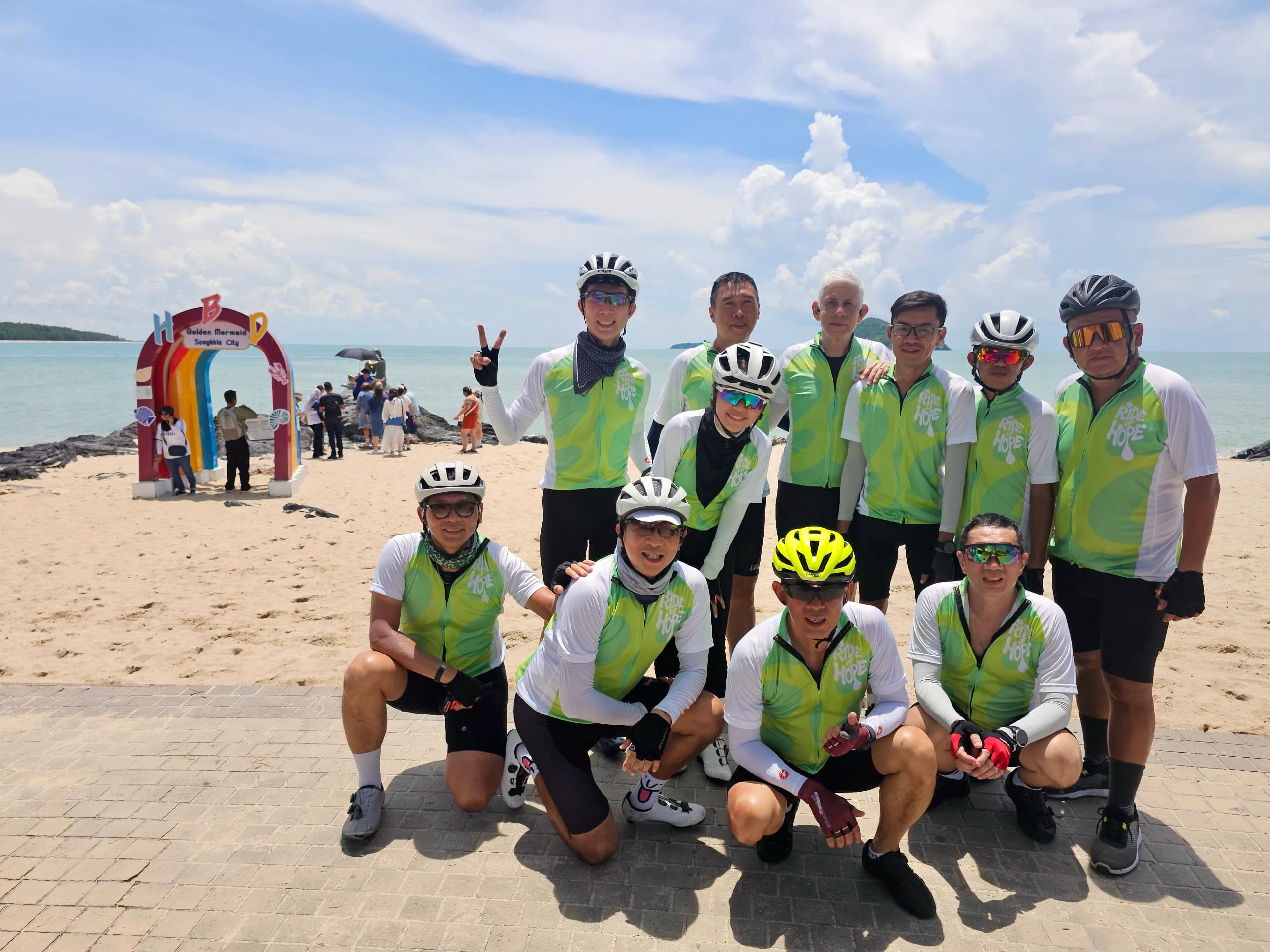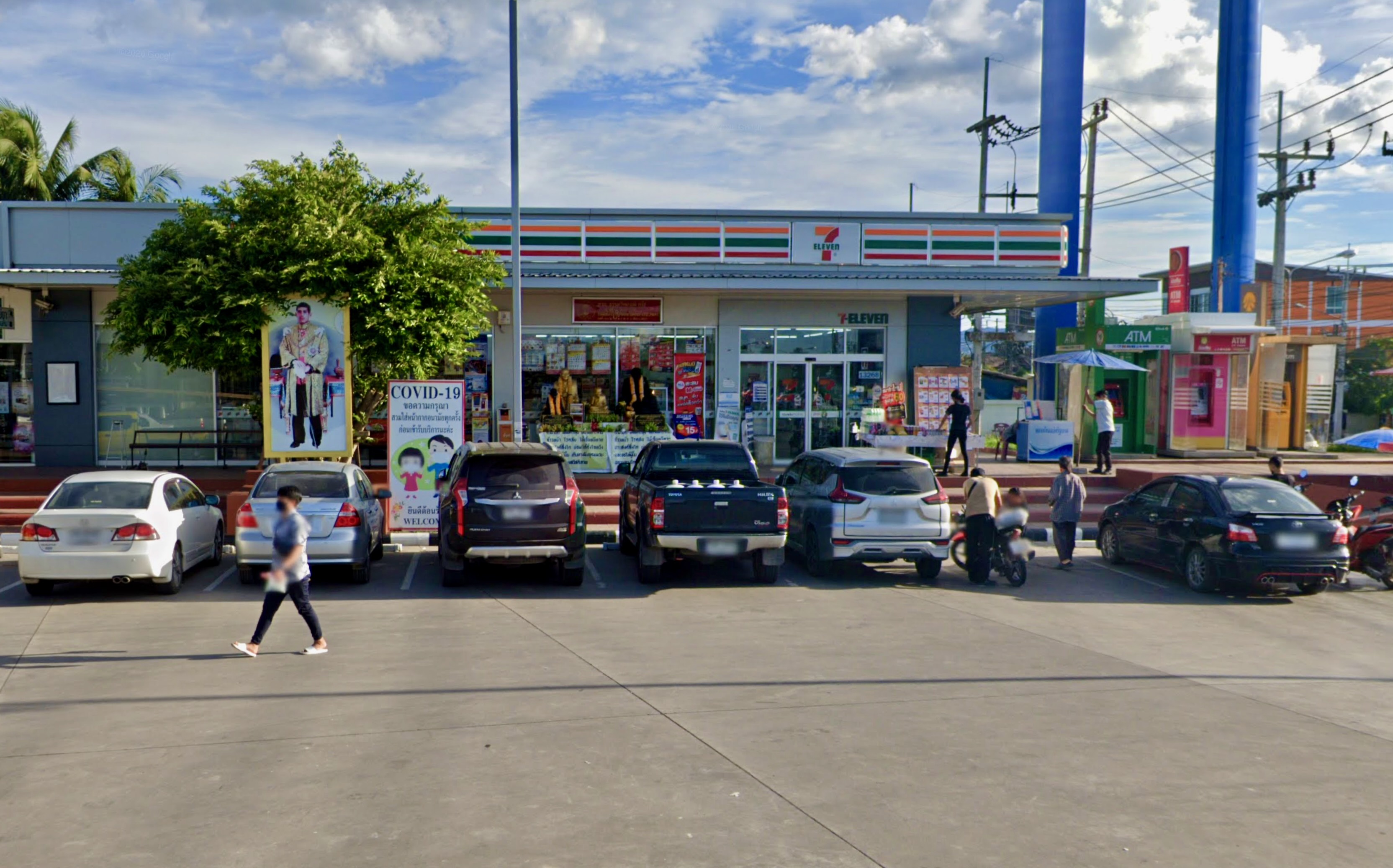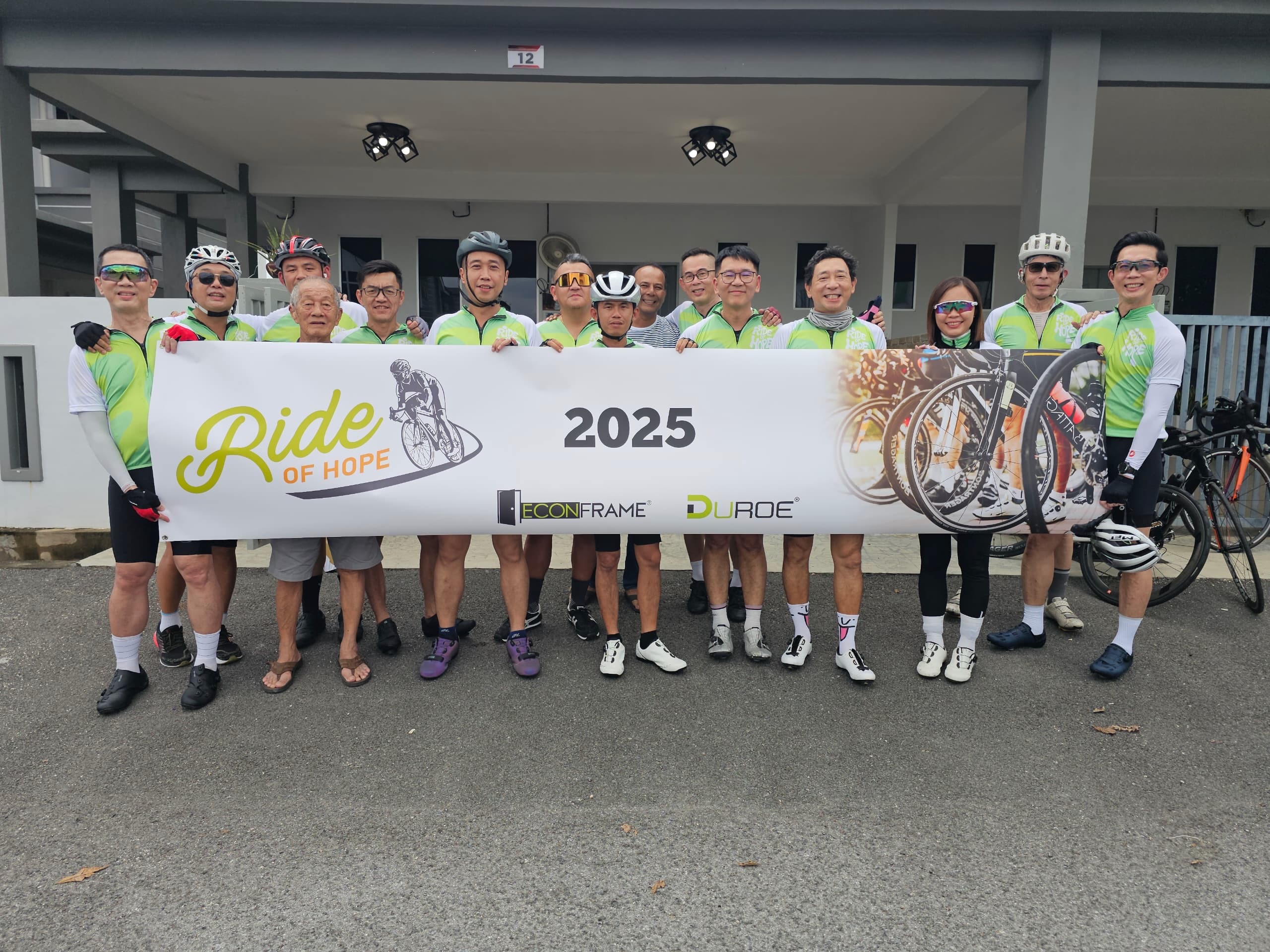
In 2023, K asked if TH and I could help organise a charity ride to Penang. That is how I met the group from ECONFRAME®. A few R@SKLs went on a delightful multi-day ride from Teluk Intan to Penang with the group from Klang.
A few months ago, the idea of another charity ride arose. We chose to spend four days riding in Southern Thailand. Many hands contributed to the planning and execution of this trip. The daily routes were plotted. Train tickets were bought. Hotel rooms were booked. Cycling jerseys were designed and ordered. Support vehicles and drivers were lined up.
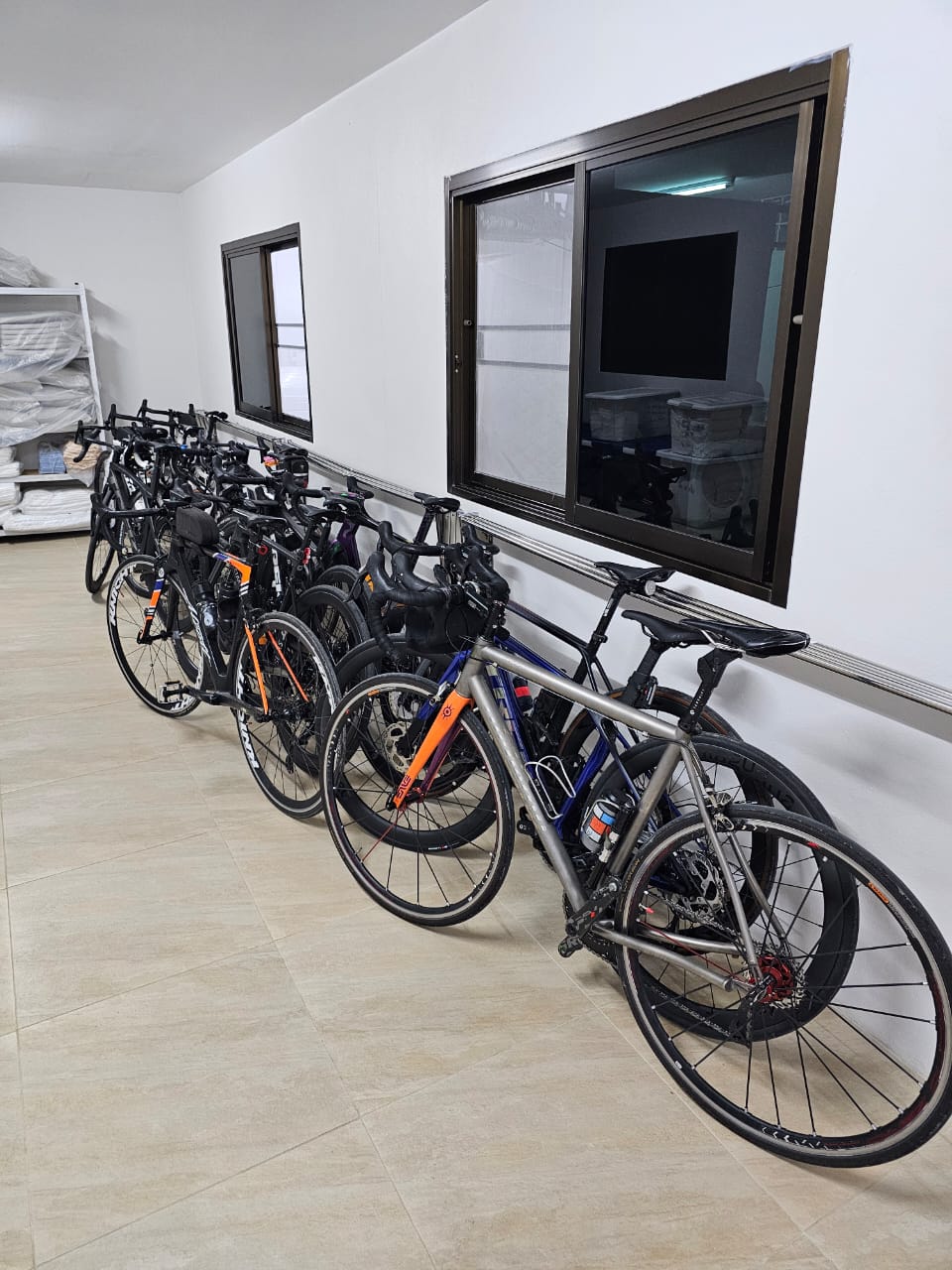
The long weekend began on Thursday with bicycles transported to Padang Besar by B and K in a pair of pickup trucks, accompanied by TH and S on motorcyclists.
Photographs courtesy of LTH
This update during the trip was a sign of things to come.
Photograph courtesy of LTH
The quartet was joined at the Chek Embun Homestay by a few others who also drove to Padang Besar. They all did a wonderful job stocking ice chests and preparing the bicycles.
The rest of us caught the 7:30 a.m. Friday ETS departure from KL Sentral to Padang Besar.
Photograph courtesy of ML
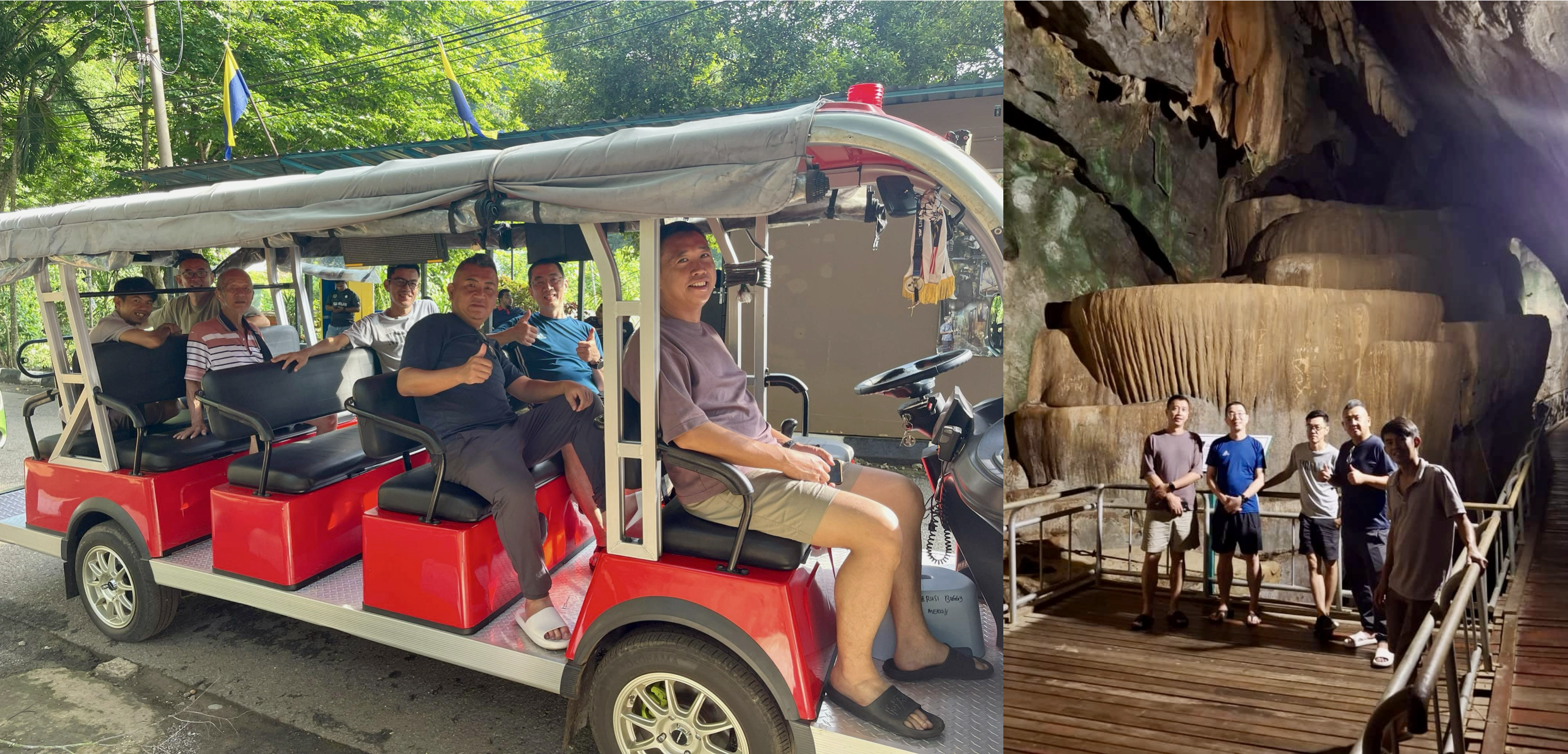
While we were on the train, the guys in Padang Besar went on a cave walk in Gua Kelam in Kaki Bukit.
Photographs courtesy of PC and S
L and P picked us up at Padang Besar KTM station. We changed at the homestay and were ready to ride at 1:30 p.m.
Photograph courtesy of LTH
The Day 1 route from Padang Besar to Satun was the shortest of all the daily rides. However, the 49 km ride did include the most challenging segment we would face.
Map courtesy of Ride With GPS
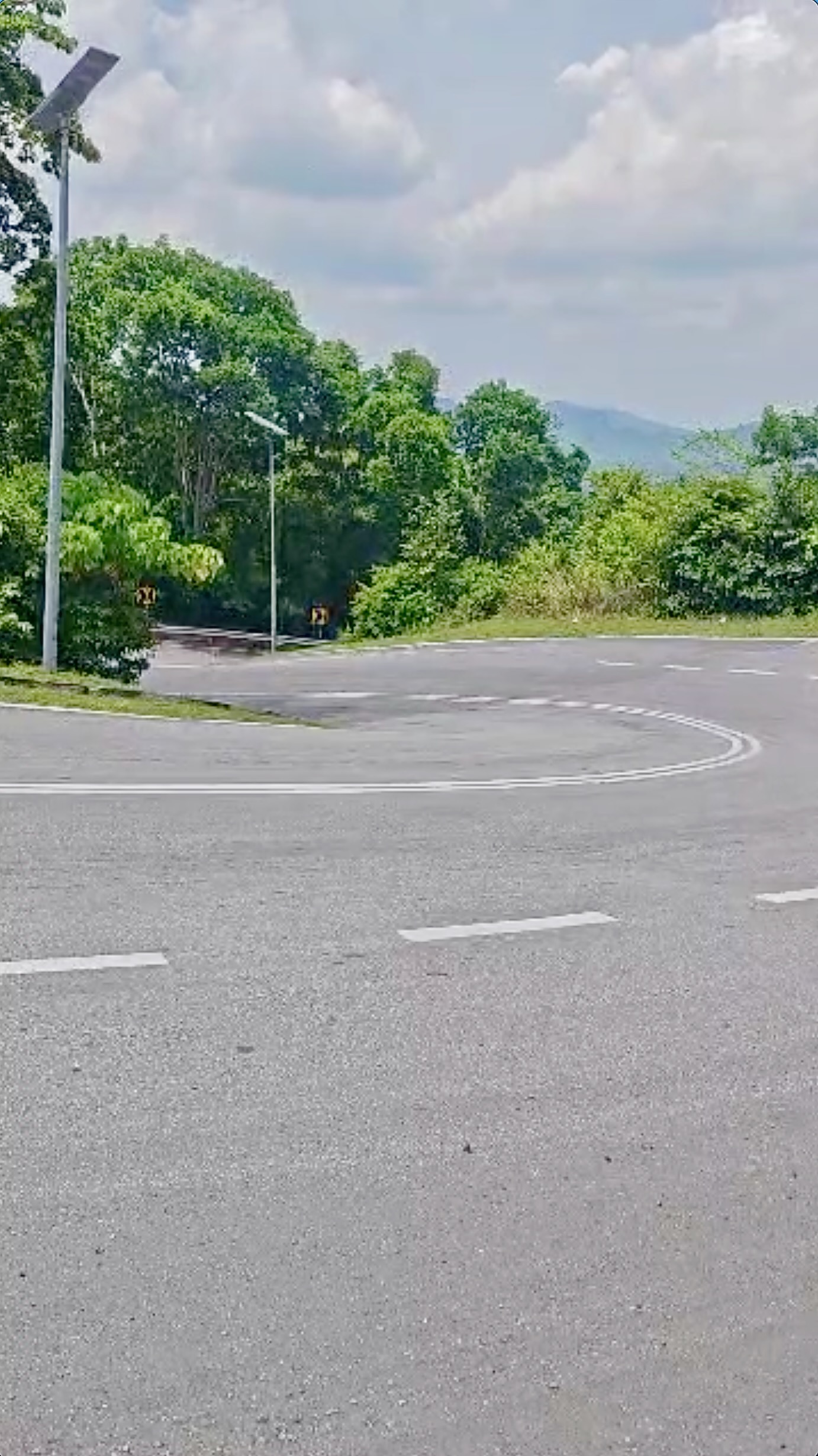
The climb to Wang Kelian is on slopes like this. Made even harder by the high humidity and 38ºC temperature.
Photograph courtesy of KC
This is the Wang Kelian climb in numbers.
Map courtesy of Ride With GPS
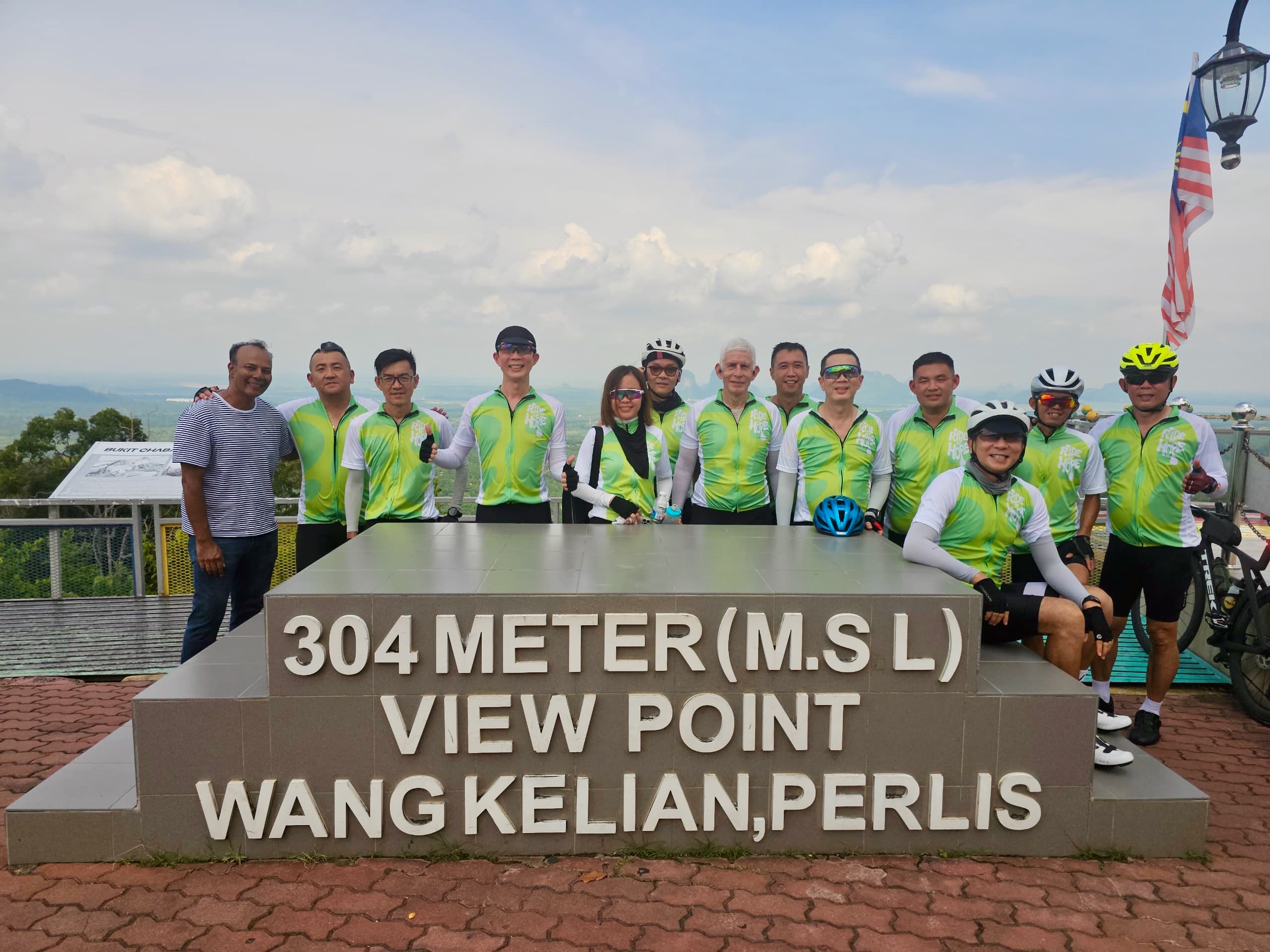
The view at the top is worth the effort.
Photographs are essential. That is the patriarch of H’s family. 85 years young.
From the summit of the climb it is a mostly downhill run to the Malaysian Immigration post at Wang Kelian.
Photograph courtesy of J
You go through the Wangprachan Boundary post to enter Thailand.
Photograph courtesy of CKS
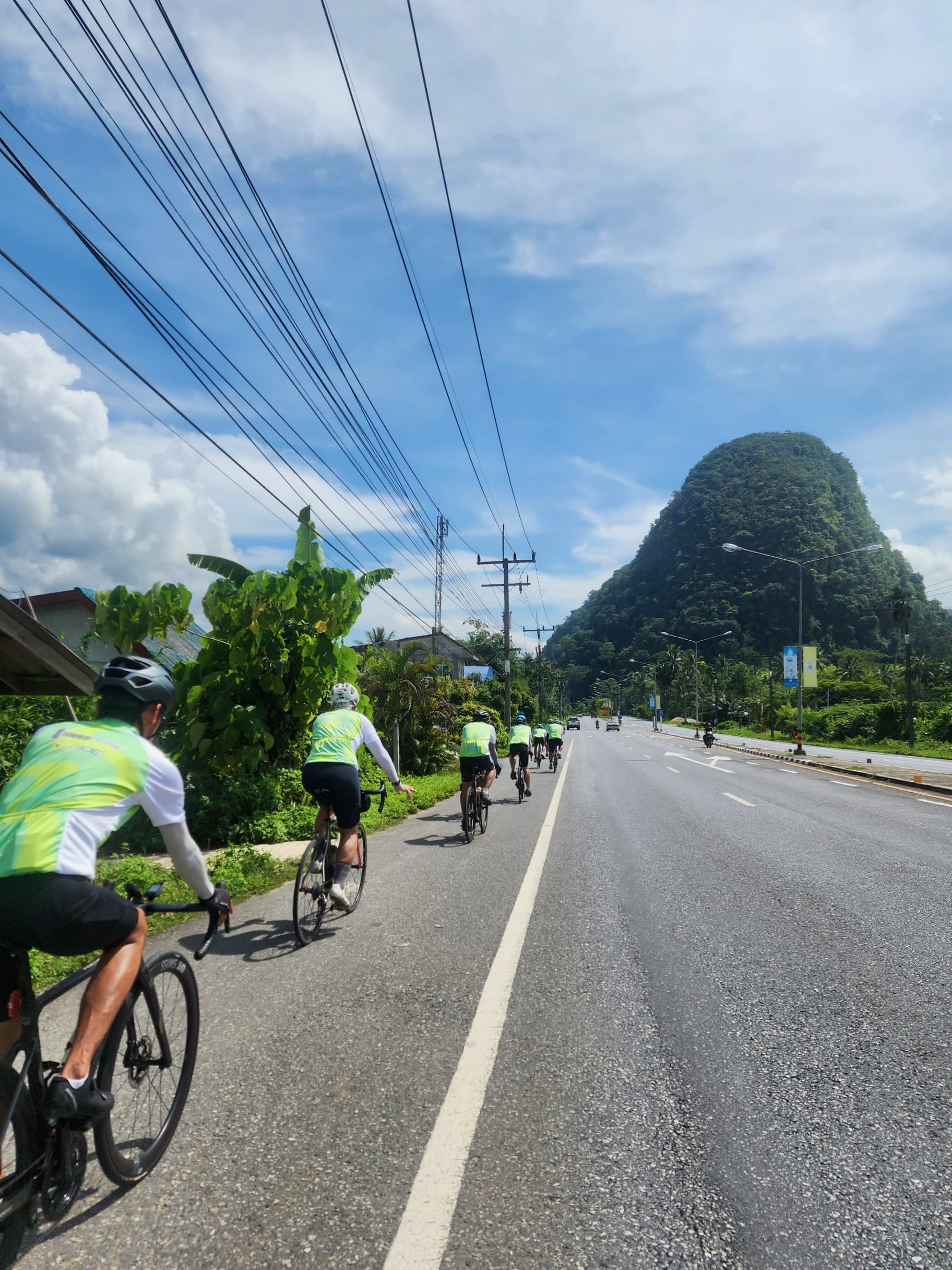
The roads in Southern Thailand are wonderful to ride on.
30 km from the Malaysia-Thailand border is the Navakiri Boutique Resort in Satun.
That is a bar at the far end of the swimming pool. A bar that was well-patronised by the eleven of us who went for a swim.
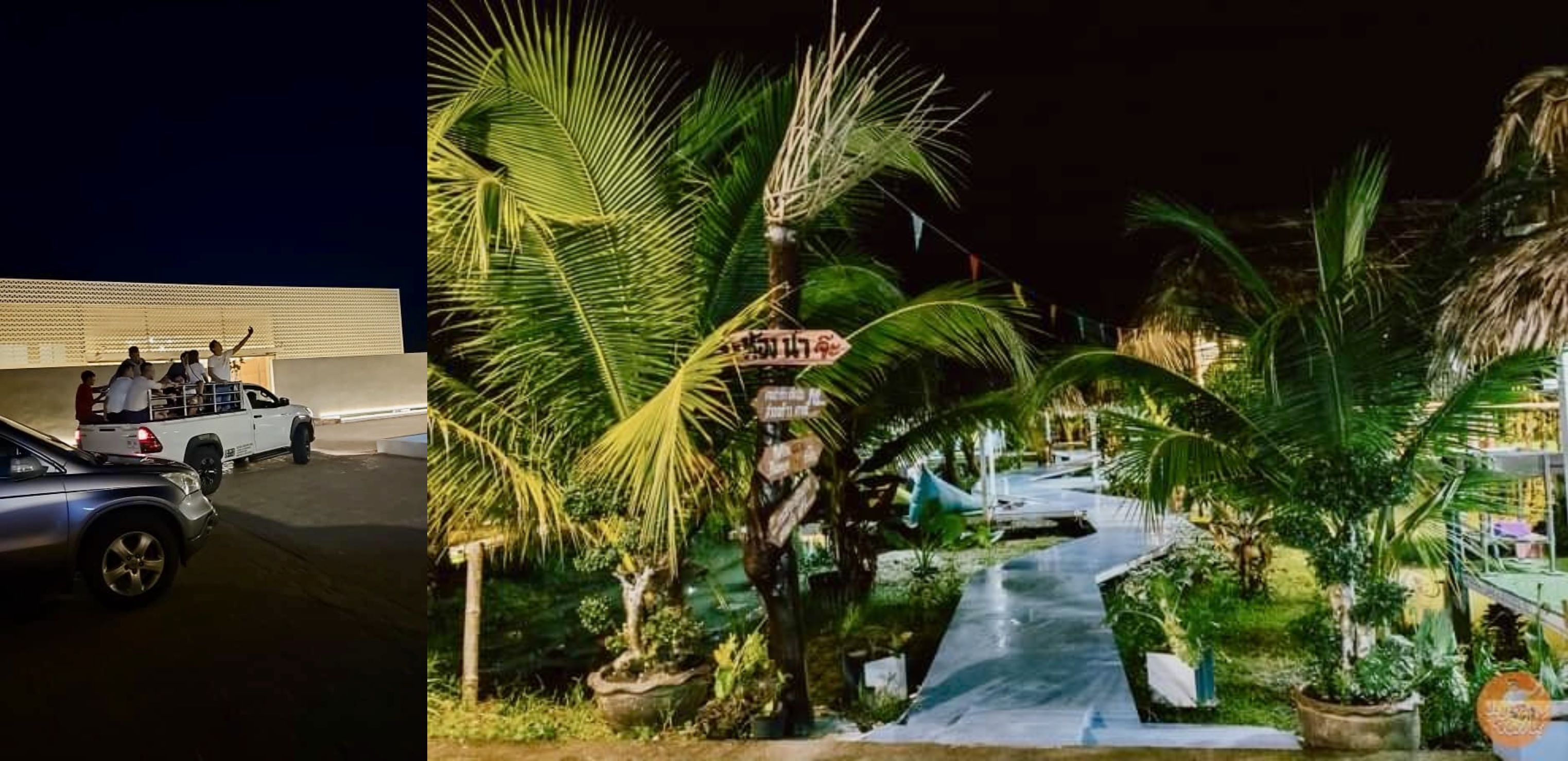
Dinner was at the Coconut Gardens Restaurant. The restaurant is 850 metres from the resort. Close enough for most of us to make the trip in the bed of a pickup.
Slicing through the air like a speeding bullet. If only it were that easy for cyclists. Bullets are streamlined and aerodynamic, minimising their frontal area to reduce air resistance. A cyclist in a typical riding position has a much larger frontal area due to their body’s shape and size.
The power required to overcome aerodynamic drag on a bicycle increases with the cube of the speed. Doubling your speed requires eight times more power to overcome drag. This doesn’t account for other factors like friction and rolling resistance.
It is no wonder that reducing aerodynamic drag is such a big selling point for bicycle equipment designers and manufacturers. Many advertisements for bicycles and related gear claim wind tunnel testing shows power savings, measured in watts.
Photograph courtesy of ww2.aip.org
These advertisements sometimes do not tell you that the speeds commonly used in wind tunnel testing range between 40 and 48 kph (25 and 30 mph). The average reported ride speed on Strava for non-experienced cyclists is around 19.2 kph (11.9 mph). Experienced cyclists average 24.5 kph (15.2 mph). Recreational cyclists must temper their expectations of the number of watts they can save in real life.
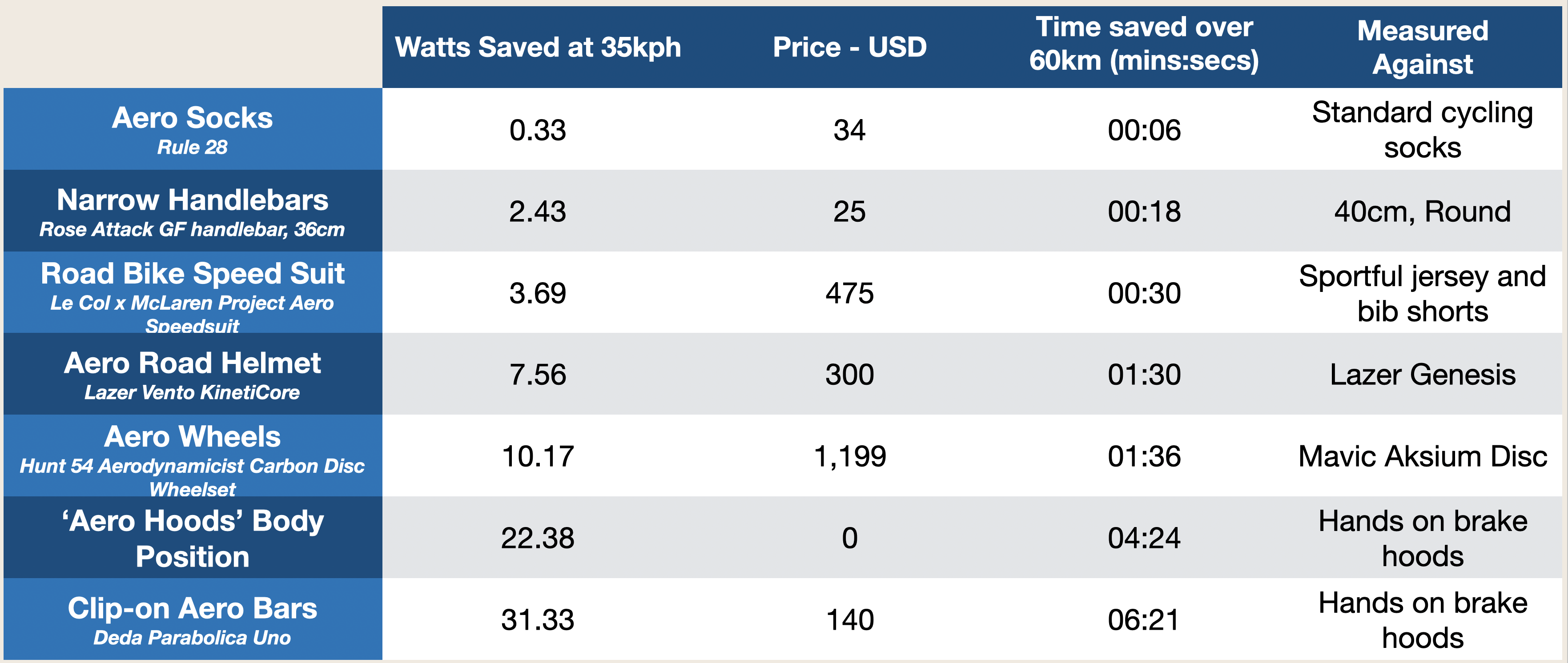
What gains can you expect from various aero upgrades? Absolute numbers vary from one source to another. The figures in the table below from BikeRadar are generally in line with others I have seen. The products in the table were tested in the wind tunnel at the Silverstone Sports Engineering Hub, a leading test facility for cycling in the UK. Testing was done at a range of yaw angles (0, +5 and +10 degrees) to get a more realistic picture of how these upgrades perform in the real world.
The bike used in the tests was a Specialized S-Works Aethos on 28c Continental GP5000 TL tires. The aero upgrades tested are identified below the product category.
The power savings at 35kph are minimal for most items. I would save even fewer watts on my rides, which rarely touch 35kph.
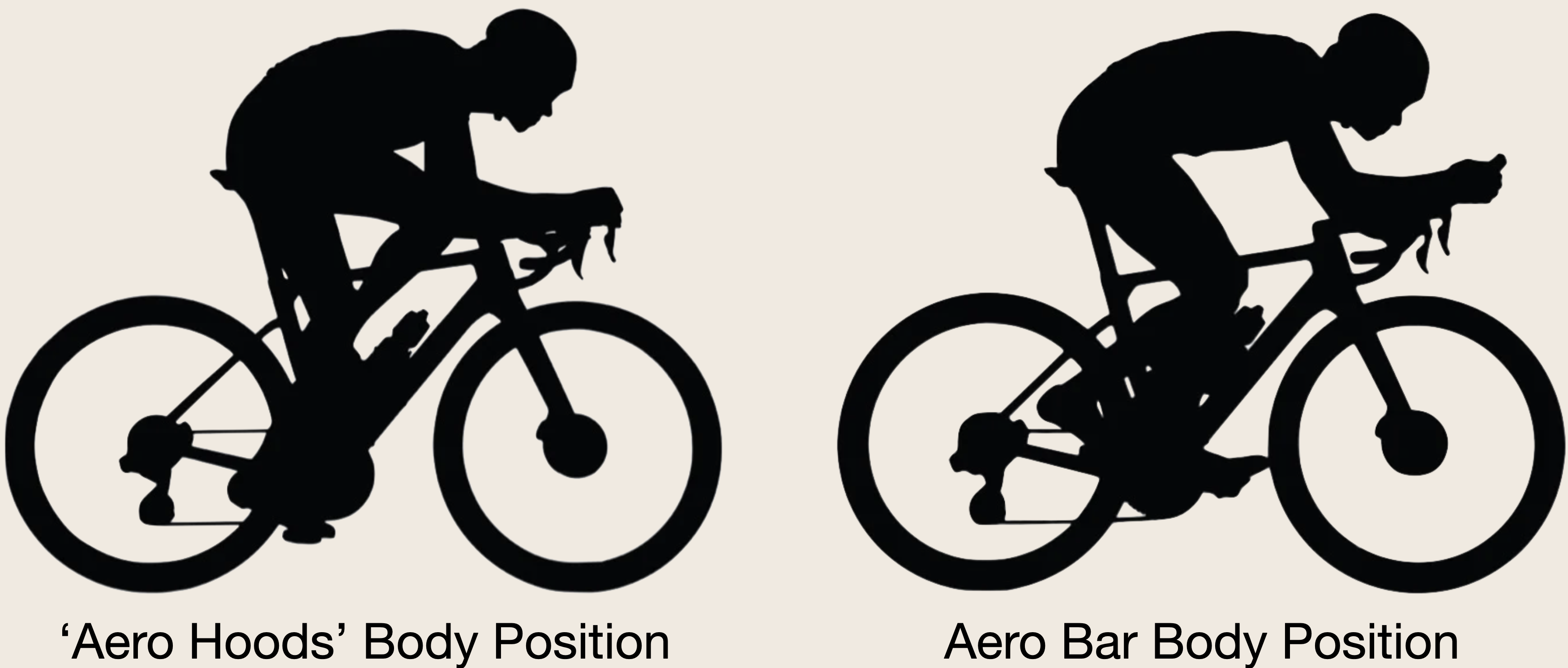
The rider contributes a large portion of the total aerodynamic drag on a bicycle, typically around 75-80%. So it is no surprise that the biggest aero gains come from changing body position. Moving the hands from the hoods to an ‘aero hoods’ position or using clip-on aero bars saves the most watts.
Illustrations courtesy of silca.cc
Many recreational cyclists struggle to hold either of these positions for long. Nevertheless, optimising body position is the most cost-effective aero upgrade.
The easier but more expensive route is to buy a set of aero wheels or even an aero bike. Just remember that the marketing around aero wheels and aero bikes is often a little over the top. By all means, spend money on a fancy new aero bike. But for many recreational cyclists to ride faster, losing weight and becoming more flexible to improve their body position will be more beneficial.
In my previous post, I discussed why professional-level road bikes may not be the best bicycles for recreational cyclists.
High-end road bikes are designed for maximum aerodynamic efficiency. Thus, their low frame stack and long frame reach.
The pursuit of aerodynamic benefits has seen the increasing popularity of integrated cockpits. These systems combine the handlebars and stem into a single piece and are designed to reduce drag by minimising frontal area. These are the integrated cockpits used on the bikes above.
In this post I wrote about one of the downsides of integrated cockpits. They use internal cable routing, which improves aerodynamics but complicates cable replacement.
Another downside is the high cost of replacing an integrated cockpit if the bike fit (such as the handlebar width or stem length) isn’t right for you. You may well get the right stem length and bar width when you buy a bike with an integrated cockpit. Manufacturers like Specialized and Pinarello have several stem length and bar width combinations to choose from.
If you later decide you want a differently shaped bar, your flexibility lessens, or you want a shorter stem, you must replace the entire integrated cockpit.
You can avoid the pain of installing a new integrated cockpit by paying your bike mechanic to do it. You will also have to foot the more considerable cost to buy a new integrated cockpit. This will be especially painful if you need a new Talon Ultra fast cockpit from Pinarello.
While integrated cockpits may look clean and modern, they come with trade-offs in adjustability and customisation. Not to mention the associated cost. If you’re considering a bike with this feature, understand the limitations and explore whether alternative setups are available.
Participants in almost any sport can buy the equipment that the professionals use.
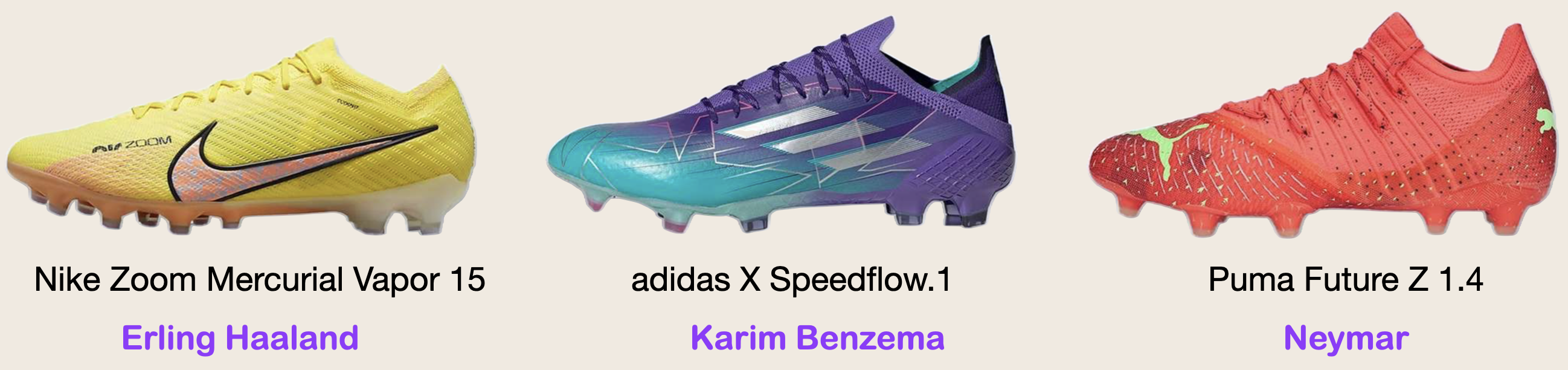
A Sunday league player can wear the same football boots as his or her top goal-scoring idol.
Photographs courtesy of goal.com
A duffer can tee off with the same club a PGA Major tournament winner uses to drive a golf ball 300 yards.
Photographs courtesy of PGAClubTracker.com
A recreational tennis player can serve double faults with the same tennis racquet an ATP Grand Slam winner uses to serve aces.
Photographs courtesy stadiumtalk.com
Apart from sizing considerations, there is little to stop amateurs from using the same equipment that the professionals in most sports use. No physical adaptation is needed to use such sports equipment.
This is not true of road bicycles. People often buy bicycles that they need to fit their bodies to, rather than bikes that fit their bodies.
There are lots of reasons why cyclists buy pro-level bicycles. Owning a high-end road bike can be a way to express personal identity or status, particularly within cycling communities, or to signal passion for cycling and commitment to performance. Some individuals may be drawn to the technical aspects of pro-level road bikes, including the components and frame materials. Others are attracted to these bikes because they are often beautifully designed and crafted.
Unfortunately, riding a professional-level road bike is generally not recommended for amateurs. These bikes are designed for speed and efficiency, with a frame geometry that encourages an aggressive riding position. The handlebar and stem measurements of professional-level racing bicycles let the professional cyclist adopt an aggressive position that few recreational cyclists could endure for long.
Illustration courtesy of silca.cc
The average male professional cyclist is 27.4 years old and weighs between 66 and 68 kilos. He has a high level of flexibility. He prioritises flexibility in hamstrings, hip flexors, and lower back, alongside areas like shoulders and chest, to counteract the typical low and long cycling posture essential to bike racing success.
The average recreational cyclist is older, has a belly which gets in the way of achieving an aggressive riding position, and is not very flexible. The result is that many amateur cyclists on high-end road bikes end their rides with one or more of these complaints: upper back pain, lower back pain, neck pain, aching shoulders and sore hands.
Illustration courtesy of WordPress AI
The main difference between the bicycles the professionals ride and the bicycles most of us mere mortals should be riding is in two frame measurements. These measurements are frame stack and frame reach.
Frame stack refers to the vertical distance between the centre of the bottom bracket and the top of the head tube, while frame reach refers to the horizontal distance between the same points.
A taller frame stack equals a higher handlebar. Bar height can be increased using headset spacers and a positive-angle stem, but it is always better to get a frame that fits you rather than adding headset spacers to a too-low frame.
The longer the frame reach, the further forward the handlebars will be. You can swap the 110 mm or 100 mm stem that road bikes typically ship with for a shorter stem to bring the handlebars closer to you, but this will compromise how the bike handles. Again, it is better to start with a frame that fits you.
The table below shows the frame stack and frame reach for professional-level race bikes and frames with more relaxed geometry from the same manufacturers. The more relaxed geometry frames are usually marketed as Endurance bikes.
The measurements are millimetres for frames that fit a 180 cm tall rider.
Frame Reach and Stack measurements courtesy of the manufacturers’ websites
All the professional-level bicycles have a lower frame stack and/or a longer frame reach than the endurance bikes from the same manufacturer. The biggest differences are in the frame stack.
Despite the appeals of pro-level bicycles, the recreational rider would be wise to prioritise comfort over speed. That means foregoing the admittedly sexy pro-level race bikes in favour of a more forgiving endurance geometry.
Most recreational cyclists need a bicycle that allows them to adopt a more upright back angle than professional cyclists exhibit. In many cases, at least double the back angle. A taller frame stack and a shorter frame reach allow for a more upright position.
Illustrations courtesy of silca.cc
The main benefit for most recreational cyclists of owning a bicycle with a relaxed geometry instead of a race bicycle is greatly increased comfort. A secondary benefit is that an endurance bike is likely cheaper than a high-end race bike.
For happier cycling: Make your bicycle fit your body; don’t make your body fit your bicycle.
Photograph courtesy of Getty Images on unsplash.com
I took a Bike Maintenance course in 2012 to learn how to service my bikes myself. On the final day of the course, we had to completely strip a bike down, including removing the fork, disassembling the chain rings etc., cleaning and lubricating all the parts, replacing cables as required, reassembling the bike and adjusting the shifting and brakes.
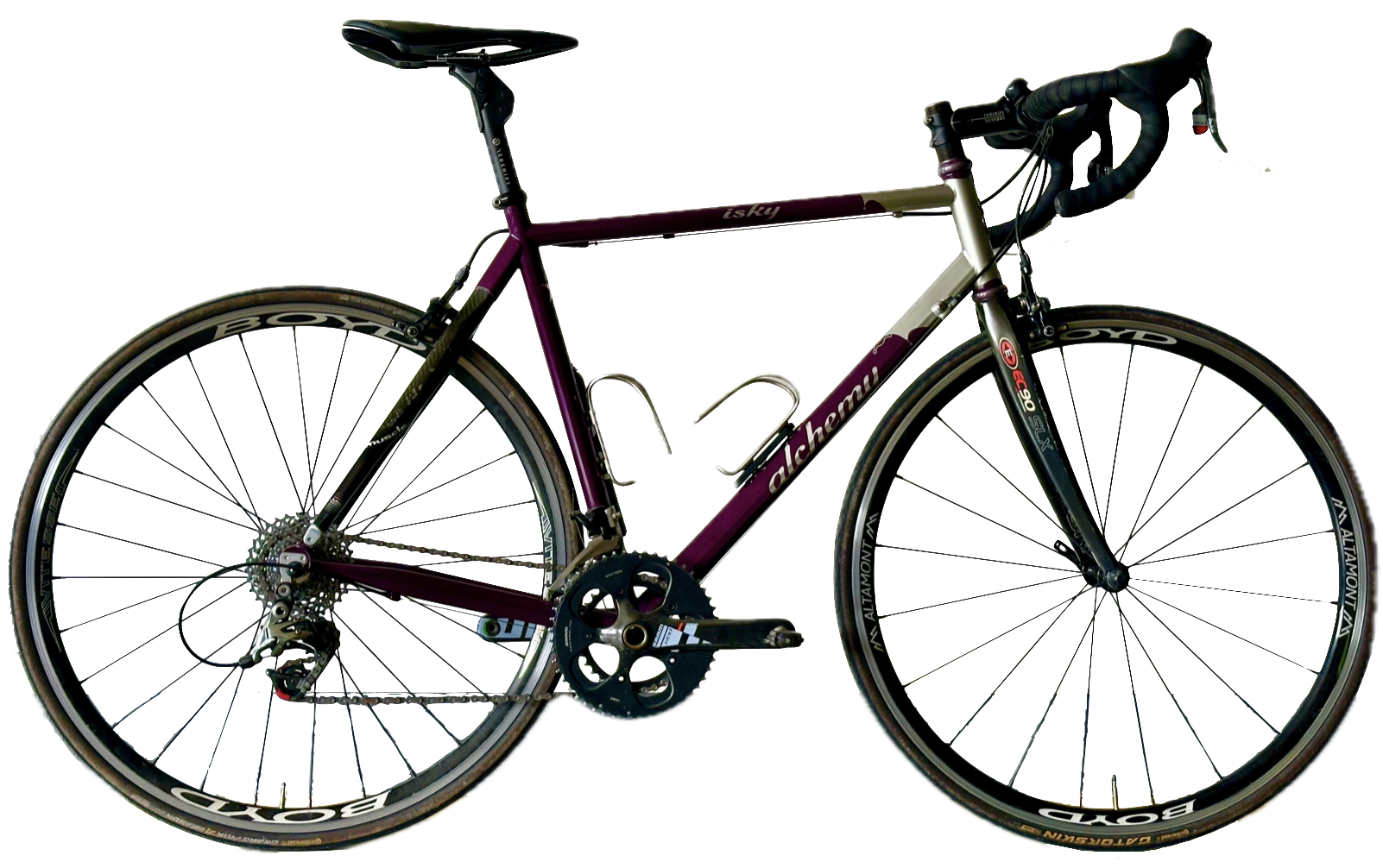
I still own a bicycle from that time, a 2010 Alchemy with mechanical shifting and brakes. I can still service that bike if I had to, although I gladly depend on my local bike shop to service my bikes for me now.
Bikes today are increasingly more difficult to service. I do not have the expertise or the tools to service a modern bicycle.
Advancements in modern road bikes make them more complex. Let us start from the top to compare my fifteen year-old bicycle with a modern one.
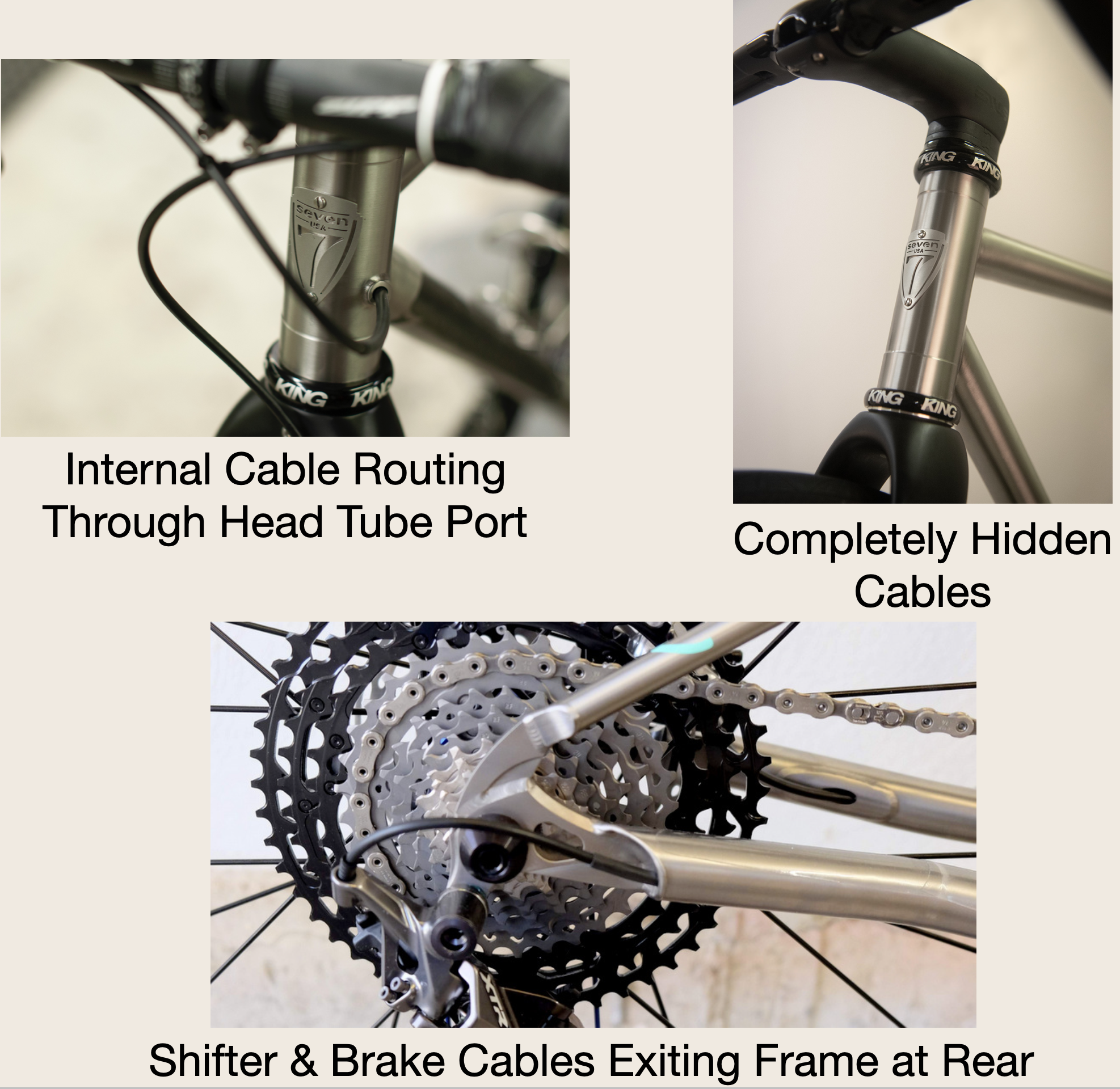
My bike uses externally routed cables to operate the brakes and gears.
Modern bikes use either partially or completely internally routed cables.
Photographs courtesy of sevencycles.com
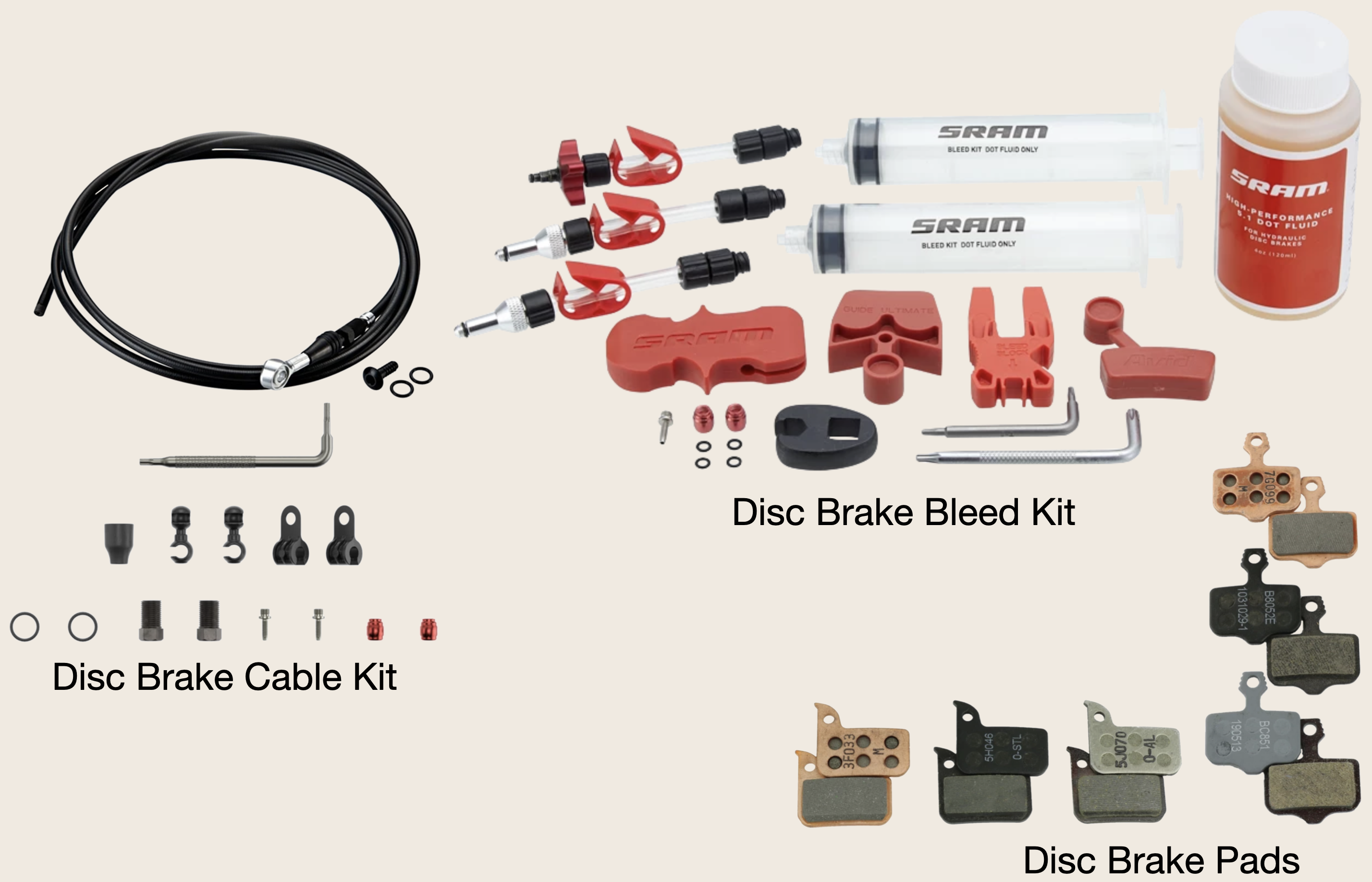
Moving down the head tube to the brakes. My bike has rim brakes. Brakes on new bikes are exclusively disc. Often hydraulically operated.
Photographs courtesy of sram.com
Let’s now look at how these two advances make servicing more complicated.
When it comes to replacing cables on my bike, everything is visible so you can see what you are doing. The challenge with internal cables is that you have to thread them inside the frame blind, so to speak. Threading cables internally can be hindered by a tight curve around the bottom bracket.
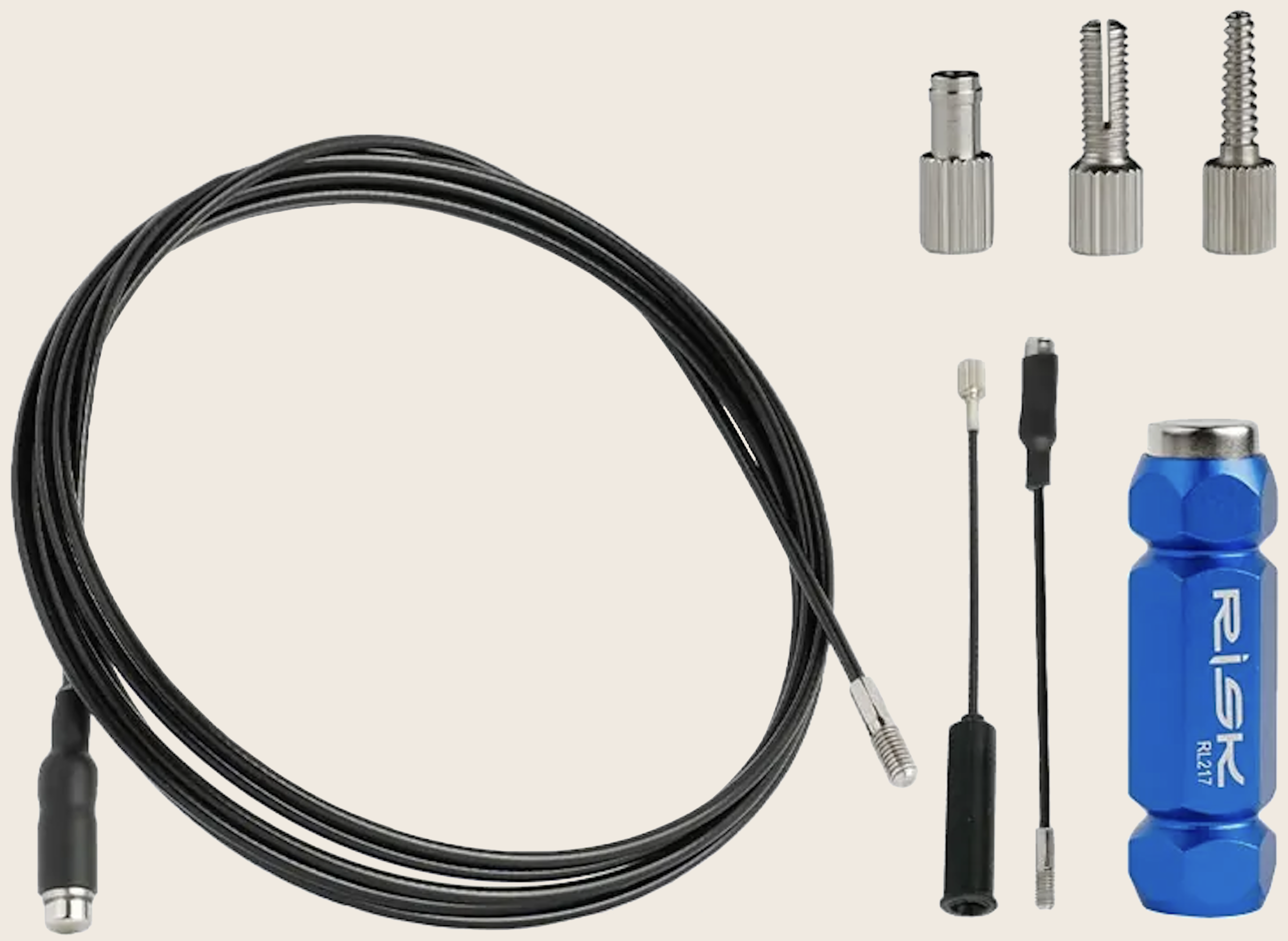
A magnetic internal cable router is often needed.
Photograph courtesy of freewheel.co.uk
Replacing internally routed cables is more complicated when they are fully hidden. The headset often needs to be disassembled because the headset components can obstruct access to the cable path.
Photograph courtesy of freewheel.co.uk
Then there are the brakes. Apart from infrequent cable replacement, all I need to do to service my rim brakes is to replace worn brake pads. Rim brake pads for road bikes are a standard shape. To replace them, undo the screw that holds each pad in its holder, slide the old pad out and slide a new pad into the holder and tighten the screw.
Photographs courtesy of sram.com
How difficult it is to replace mechanically operated disc brake cables depends on whether they are externally or internally routed.
Replacing disc brake pads is a more involved process. First, you must choose the type of brake pad: sintered, organic and semi-metal. Your choice depends on the type of riding you do. You also need the right shape pads for the disc brake caliper you have on your bike.
Then you to use a tool to push and hold the brake caliper pistons apart. Woe betide you if the pistons close without brake pads in place. You must also ensure that you do not touch the pad surfaces or the disc rotor. Getting oils on the pads or rotor will adversely affect braking performance.
Lastly, you need to bed in the new pads. The bedding in process heats up the pads and rotor, transferring an even layer of material from the disc pad onto the disc rotor. Failing to bed in your disc brakes will almost guarantee to result in vibration, noise, poor modulation, and loss of power.
The brake servicing process is much more complicated if you need to replace your hydraulic brake hoses or bleed your hydraulic brakes. Bleeding requires the correct type of fluid for the disc brakes on your bicycle: mineral oil or DOT fluid. The bleeding process is too long to describe here, but you get a sense of the steps involved from the number of parts in the Disc Brake Bleed kit pictured below.
Photographs courtesy of sram.com
Further down the bicycle are tyres. My bike has clincher tyres and inner tubes. Many new road bicycles, particularly higher-end models, ship with tubeless-ready tyres and wheelsets. Some bikes may ship with tubes in the tyres to simplify showroom setup, but the wheels and tyres are often tubeless-ready.
You can argue that tyres do not need service. However, a tubeless setup requires semi-regular maintenance to keep it performing at its best, as brakes do.
Tubeless tyre sealant gradually dries out. Manufacturer recommendations for sealant top-off intervals range between three and six months. It is also suggested that you take your tyre completely off the rim every twelve to eighteen months to scrape out the dried sealant.
The need to regularly top off the sealant, scrape out dried sealant and the fact some tubeless tyres are tricky to mount and/or need a dedicated tubeless inflator or air compressor to seat makes tubeless setup and maintenance inherently more onerous than using clincher tyres and inner tubes.
Photographs courtesy of bike radar.com & bicycling.com.
Last year, I wrote a post titled Tubed or Tubeless Tyres? The photographs below from that post illustrate how much more stuff you need to run tubeless tyres versus clincher tyres.
I’ll stick with my fifteen-year-old bicycle. My bike mechanic and I prefer the simplicity.
An article titled We need to talk about why jersey sizes are getting smaller by Wade Wallace appeared on the Escape Collective website on 1 April 2025. It is a Member Exclusive article, so you need to sign up to Escape Collective to read it. Articles like this one, Member Podcasts and a Member Purchase Program that offers 25% off products from Cane Creek, and 20% off products from Ritchey, Silca, Mavic, Velocio and others make the annual USD99 subscription well worth it.
Back to Wade’s article. Despite the publication date, this is not an April Fool’s gag. Wade asks why fifteen-year-old size M cycling jerseys fit him the same as new size XL jerseys? Wade uses these photographs to prove his point.
Photograph courtesy of escape collective.com
He discusses several reasons for this size inflation. Modern fabric technology and fashion are two culprits.
The article generated 175 comments. Some of these touched on how jersey sizes are inconsistent from one manufacturer to another. I was intrigued and did some research.
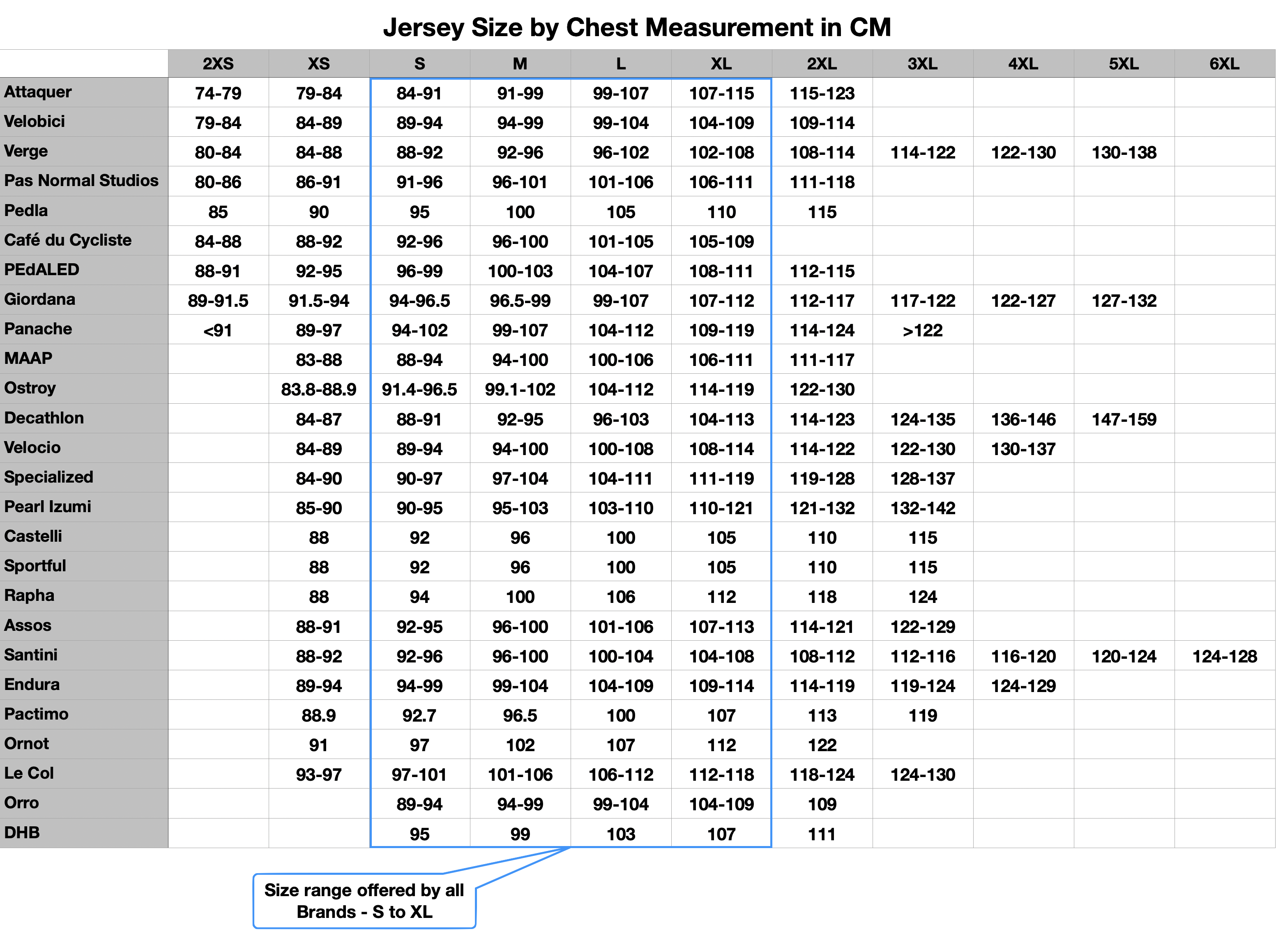
I looked at the online size guides for men’s cycling jerseys from twenty-six brands. Some brands have different size guides for the various types of jerseys in their catalogues: short-sleeved, long-sleeved etc. Some brands even have size guides for each of the fits they offer for a particular jersey type: relaxed, enthusiast, pro and so on.
I tried to compare like with like. The figures below are for men’s tight-fitting short-sleeved jerseys. There are indeed inconsistencies between manufacturers.
To start with not all brands offer sizes 2XS, XS, 2XL, 3XL, 4XL, 5XL and 6XL. All twenty-six offer sizes S to XL.
Attaquer offers the jersey in the smallest chest size of 74-79 cm. Decathlon offers the largest of 147-159 cm. Santini is the only brand with a size 6XL. Interestingly, Santini’s size 6XL is roughly equivalent to Decathlon’s size 3XL. You are starting to see the sizing inconsistencies between brands.
Data courtesy of the Brand’s respective websites
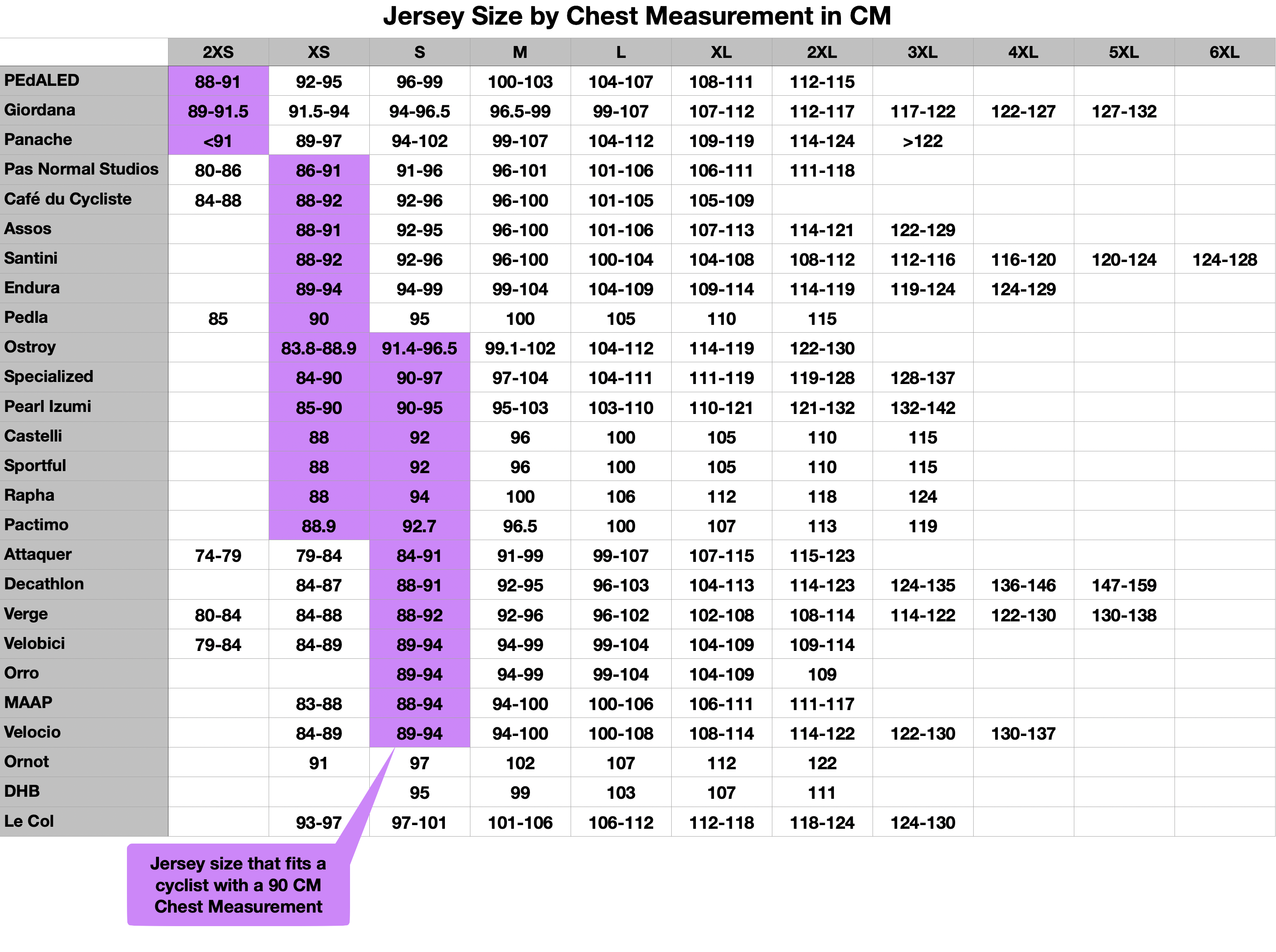
The chest measurements that each brand uses to differentiate the sizes they offer are definitely not standardised.
A cyclist with a chest measurement of 90 cm will need a size 2XS from PEdALED, Giordana or Panache. The same cyclist will need a size S from seven brands including Attaquer, Verge and Velobici. A 90 cm chest falls between sizes XS and S for seven other brands.
Data courtesy of the Brand’s respective websites
A cyclist with a chest measurement of 98 cm faces the same “What size am I in this brand’s jersey” conundrum. Depending on the brand, anything from size S to size L. In six cases a 98 cm chest falls between two sizes.
Data courtesy of the Brand’s respective websites
I thought the brand’s country of origin may have something to do with how their jerseys are sized. This is not the case.
Giordana, Santini, Castelli and Sportful are Italian brands designed and manufactured in Italy. Castelli and Sportful use identical sizing, perhaps because both brands belong to Manifattura Valcismon (MVC Group). Giordana and Santini use independent sizing schemes.
Data courtesy of the Brand’s respective websites
The same is true of the American brands Panache, Ostroy, Specialized, Pactino, Velocio and Ornot. Each American brand has its methodology for fitting chest measurements to their jersey sizes. I do note that Panache, Ostroy and Specialized use virtually identical chest measurements for their size L.
Data courtesy of the Brand’s respective websites
This inconsistency is also evident in the United Kingdom brands, although Velobici and Orro use common chest measurements in their size S, M, L and XL.
Data courtesy of the Brand’s respective websites
Another consideration is whether a cycling jersey accurately reflects its listed chest measurement, i.e. is it true-to-size? Online comments suggest that this is not always the case.
This means that the consumer cannot buy the same size cycling jersey from several brands and expect them to all fit the same.
What to do? Stay true to one brand. Or visit a physical store to try on a brand you are unfamiliar with. Or do your research before ordering a brand online for the first time. And expect to return a cycling jersey bought online because it doesn’t fit as expected.
Clockwise from top left, photographs courtesy of bikeradar.com, lebelbicycles.com, cyclingnews.com and cyclingweekly.com
A web search for “Best Bicycle Upgrades” will produce suggestions with tyres at or close to the top of the list. It shouldn’t be surprising that tyre upgrades have been a “must have” since the bicycle was invented.
Illustration courtesy of bicyclehistory.net
Karl Drais invented his Laufmaschine (running machine) in 1817. Later known as a “draisine,” this vehicle had wooden wheels. Despite unpaved roads and solid wheels, Drais propelled his machine, Fred Flintstone fashion, nearly 16 kilometres in just over an hour.
Photograph courtesy of coimages.sciencemuseumgroup.org.uk
By 1866 Pierre Lallement received a US patent for a bicycle propelled by pedals attached to a slightly larger front wheel. These bicycles were called bone shakers because of the exceedingly uncomfortable ride caused by the stiff wrought-iron frame and wooden wheels surrounded by iron tyres.
Photograph courtesy of cars.bonhams.com
An upgrade, available since Charles Goodyear patented his vulcanisation process in 1844, was solid rubber tyres. Such tyres improved on solid wooden wheels or spoked wheels with iron rims, but they still gave a jarring ride.
Photograph courtesy of coimages.sciencemuseumgroup.org.uk
In 1885 John Kemp Starley and William Sutton introduced the Rover safety bicycle with a chain and sprocket drive and equally sized wheels. The Rover came with solid rubber tyres.
Photograph courtesy of heritage-print.com
Arguably the last major innovation in tyres came in 1887 when John Boyd Dunlop, in an attempt to smooth the bumpy ride of his son’s tricycle, nailed linen-wrapped inflated tubes to the solid wooden tricycle wheels. These were the first pneumatic, or air-filled, tyres.
The photograph above shows Johnny Dunlop riding his newly improved tricycle.
Photograph courtesy of progress-is-fine.blogspot.com
An improved version found immediate use among the growing number of enthusiastic bicycle riders. The first pneumatic tyre factory was started in 1889 to make tyres under Dunlop’s patent of 7th December 1888.
The photograph above shows Dunlop holding a bicycle fitted with pneumatic tyres.
Photograph courtesy of michelin.com
In 1891 André and Édouard Michelin introduced detachable pneumatic tyres for bicycles, and August Schrader invented his namesake Schrader valve. At the end of the 19th century, Etienne Sclaverand registered his patent for the Presta valve.
One can argue that the next step-change in bicycle tyres didn’t come until 1999 when Mavic introduced the first tubeless wheel and tyre system for mountain bikes. It was 2006 before Shimano and Hutchinson introduced a road tubeless standard.
Photograph courtesy of cdn.mos.cms.futurecdn.net
The next bit of bicycle tyre innovation came when Marianne Vos showcased self-inflating tyre technology while winning the 2024 UCI Gravel World Championships. The Gravaa system uses tiny compressors within the wheel hubs to increase or decrease tyre pressure.
Despite these innovations bicycle tyres are what they were 135 years ago. They are air-filled tubes inflated via a valve. Admittedly bicycle tyres are better designed and constructed today.
Photograph courtesy of smarttirecompany.com
That may be about to change. The SMART Tire Company aims to commercialise an airless alloy tyre called METL (Martensite Elasticized Tubular Loading). METL was invented for space exploration. SMART is an acronym for Shape Memory Alloy Radial Technology.
METL promises to revolutionise bicycle tyres. Airless, never flat, elastic like rubber yet strong like titanium. At launch, these tyres are expected to cost USD150 each. The tread is rated for 13,000 km and retreads will be available for about USD10 per tyre.
The key phrase is “at launch.” The initial launch was expected to be in Q2 2022. That slipped to June and ,then Q4 2024. Today you can visit the SMART Tire Company’s website and add your name to a 2025 Wait List.
Photographs courtesy of smarttirecompany.com
I hope the SMART Tire Company does launch METL at an affordable price. That would be a proper tyre upgrade. Perhaps there will be an option for sidewalls that match your bike.
Dr. Rainer Newberry, a geology professor at the University of Alaska, Fairbanks, invented the Fun Scale around 1985. Getting to the geologic study site in Alaska in those days involved hiking and climbing over challenging terrain. It could be raining or even snowing. He created the Fun Scale during one trip that was, in his words, “pretty hairy.”
The scale has 3 types of fun:
Type 1 fun is enjoyable while it’s happening. Also known as, simply, fun.
Type 2 fun is miserable while it’s happening but fun in retrospect.
Type 3 fun is not fun at all. Not even in hindsight.
The Fun Scale was quickly adopted by the mountaineering community as a simple mechanism for rating climbs and quantifying the fun-to-suffer ratio. Of course, where an effort falls on the Fun Scale depends on one’s tolerance for discomfort and risk. One person’s Type 2 fun may be another’s Type 3 fun.
The scale has since been applied to other outdoor activities. When applied to cycling, Type 1 rides are leisurely, casual rides along a scenic route at a comfortable pace.
Photograph courtesy of M Lim
Type 2 rides are challenging rides that feel good to complete, like an Audax ride. I wouldn’t describe them as “miserable.” They can hurt, though. This photograph was taken during an Audax 300 km ride in 2017.
Photograph courtesy of M Lai
Type 3 rides are very difficult or dangerous, such as riding in extreme weather conditions or cycling through heavy traffic with significant danger.
I have not had any “What was I thinking?” Type 3 rides. I have done a few rides that were fun in parts, but I would not do them again. The Audax 400 km ride in 2016 is one of those. My friends and I remember
Photographs courtesy of M Lai and Audax Randonneurs Malaysia
Less memorable are particular incidents during that ride. Like the fall into a drain that led to this:
I do not have any 300 km or 400 km rides left in me. Not at my current level of fitness.
These days, my friends and I occasionally stray into Type 2 territory, like the 109 km Audax Pink Ride we did last January. Again, this ride was not miserable, but it was certainly uncomfortable at times.
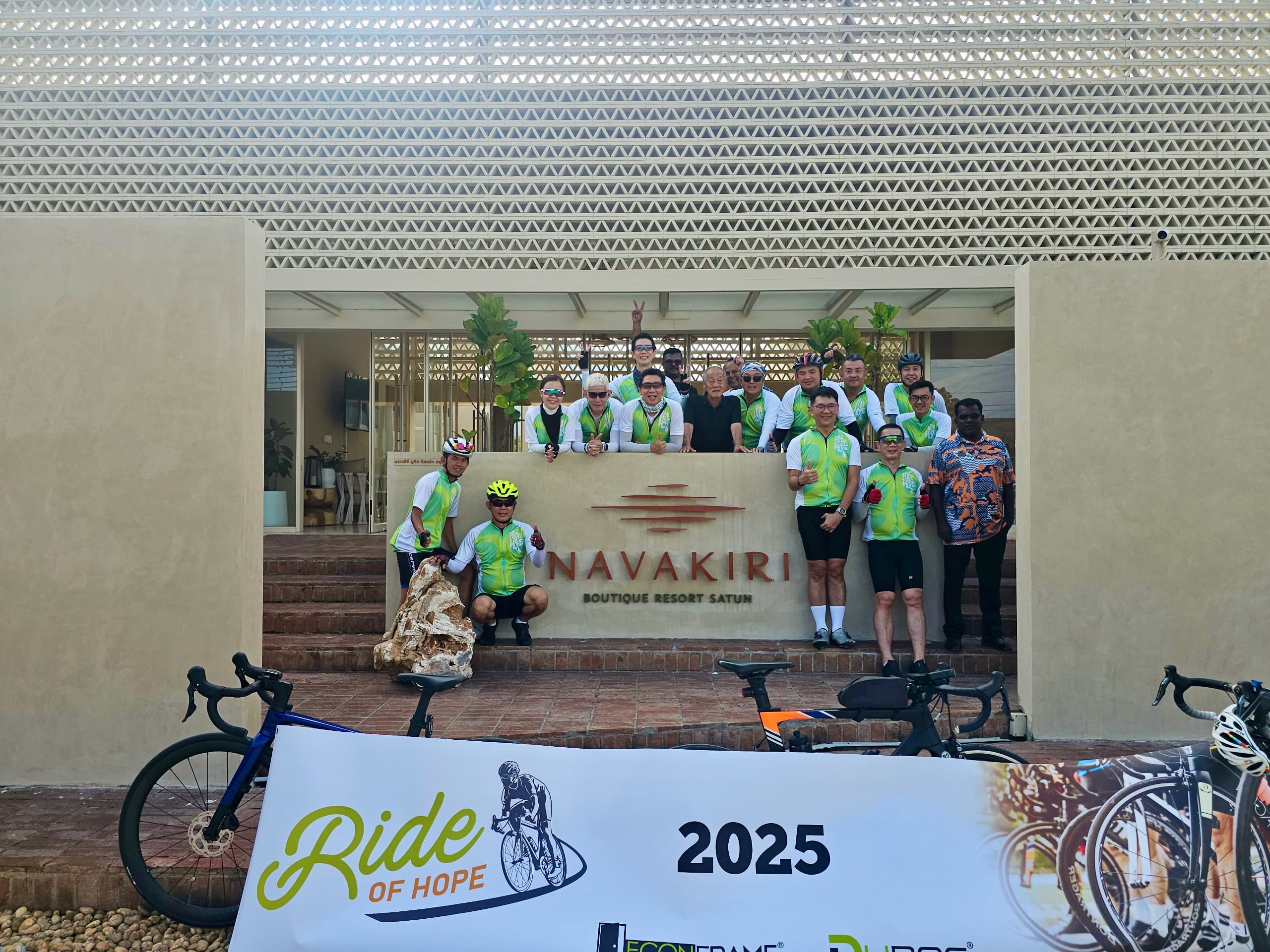
Photograph courtesy of Audax Randonneurs Malaysia
We are mostly about Type 1 rides now.
Definitely heavy on the “enjoyable while it’s happening” side of the Fun Scale.
A bike is never just a bike – it’s a reflection of where you are, where you’ve been, and, sometimes, where you want to go.
Iain Treloar Bikes of the (Staff) Bunch: Iain’s Moots Vamoots CR Velo, Updated Oct 9, 2023
Iain wrote about how you can trace the changes in his life by what and where he has been riding. This made me think about all the bikes I have owned.
I started road cycling at the end of 2008, relatively late in my life. That is when I bought a Trek 7.5 FX and started exploring the streets of downtown Houston.
Photograph courtesy of viaciclante.com
Many posts in this blog trace my cycling journey from that hybrid bike through a succession of road bikes.
There were earlier times in my life when I owned a bicycle. My first bike was a Raleigh Chopper.
Photograph courtesy of wheredidtheygo.co.uk
I was eleven or twelve years old. That Chopper, with its stick shift and easy rider handlebars, was certainly cool. It also wasn’t very safe. The rearward centre of gravity made it easy to pop unintended wheelies. I still carry a scar on one knee from a fall after I stamped on the pedals and the front wheel went skyward.
I don’t remember what happened to that bike. There wasn’t anywhere to cycle to, and I don’t recall any other children in the neighborhood having bikes. I must have stopped riding it, and my parents got rid of it.
I was fifteen when I was given another bicycle. This time, it was a Raleigh Grand Prix road bike.
Photograph courtesy of sheldonbrown.com
It came with toe clips and straps on the pedals. If you flipped the pedals, the clips scraped on the ground on the downstroke. Speaking of scrapes, the cottered cranks regularly took skin off my ankle bones. I rode that bicycle a lot. I rode it to school. I rode it to evening football games. I rode it to visit friends in places like Petaling Jaya, a 25 km round trip.
I didn’t ride for fun as a teenager. I didn’t explore the city on my bicycle. I didn’t have any friends who cycled. My bicycle was purely a mode of transport to get to and from places. Again, I didn’t have friends who cycled, so there was no social aspect to enjoy.
I still had that bike when I went overseas to university. When I came home after graduating, I found that my father had given it away. At that stage of my life, getting settled and starting my first job took centre stage. Riding a bicycle never crossed my mind. I didn’t think much of it then, but I wish I still had that bike.
My career and family occupied most of my time through my thirties and into my forties. My main forms of exercise then were playing football, basketball and jogging. It wasn’t until work took me to England that I owned another bicycle. We lived in a cul de sac, and my neighbours had bicycles. They rode as a group on summer evenings. I bought a Carrera mountain bike to join them on those social rides. Mostly to a local pub! I rode it to work a few times, but it largely served a social purpose.
The only photograph I could find of what looks like that bike is in this mid-1990s advertisement.
Photograph courtesy of eBay.co.uk
That Carrera came to Kuala Lumpur with me at the end of my overseas posting. I occasionally rode it around the neighbourhood but depended upon football and squash for exercise. I recall a death-defying experience when I followed a mountain-biker friend at speed down a jungle trail to find an open ditch at the bottom of the hill. To this day, I do not know how I bunny-hopped that ditch and stayed upright. That was the last time I rode off-road.
A few years later, I accepted a job in Paris, and the Carrera came with me. I used it more to ride around the neighbourhood with my sons than anything else. My life was in turmoil at the end of that posting, and the bike got lost in the shuffle.
It was seven years before a bicycle entered my life again. The year was 2008. I was fifty-two, with a recent ACL replacement. You can read about it here.
Cycling has played a major role in my life since then. I ride for the physical challenge, to explore, and to enjoy the sights and sounds of nature. I also ride with friends for the shared experiences and camaraderie.
I still ride three of the four road bikes that came into my life after the Trek, starting in January 2010. My second road bike is accumulating miles with a friend in Canada.
There will come a time when an e-bike is a sensible option. I hope not for a while longer, though. I like where I am and where I want to go.
New Year, New Rides: Setting smart cycling goals for 2025 on welovecycling.com
Then there are the YouTube videos:
My CRAZY Cycling Goals for 2025? – New Year’s Q&A
What are your cycling goals for 2025?
Unpacking my cycling goals for 2025
Contrary to these, the YouTube video that reflects my attitude toward cycling goals today is titled No Cycling Goals This Year – And It Feels Great!
When I started cycling on a road bike in 2010, my goal was simple. Keep up with the much more experienced group of roadies I joined! That goal quickly changed to surviving the longer and longer rides I was roped into. I remember feeling thoroughly trashed during the last 20 km of the 98.4 km Gator Ride in March 2010. That was not quite my first metric-century ride. I didn’t have the energy to pedal another 1.6 km to make it a 100 km ride.
My first ride further than 100 km was almost an Imperial century. As with the Gator Ride, I didn’t have the energy to cover another 3.9 km to turn the 156.1 km Space Race in April 2010 into a 160 km ride.
AI image generated by WordPress
It wasn’t until 2012 that I completed a 160 km ride. Under a cold and grey early spring sky in South Holland.
Photograph courtesy of sleutelstad.nl
Things snowballed from there. I did progressively longer and longer rides. My first annual cycling goal was to ride 10,000 km in 2015. I increased that to 12,000 km in 2016 and 15,000 km in 2017.
Turning 60 at the end of 2017, along with the occasional medical issue and what life throws at you in general, coincides with an ongoing reduction in my annual distances. I rode 12,000 km in 2018 and 10,000 km in 2019, and the number has continued to fall. These days, I am pleased to ride 5,000 km in a year. Chasing kilometres has been replaced by rides to that day’s breakfast place.
This makes my non-cycling goal to weigh less at the end of 2025 than I do now particularly challenging!