Monthly Archives: May 2025

“Ride of Hope” in Southern Thailand – Day 4

Posted on

If anyone partied the previous night, it didn’t show. Everyone was checked out of the hotel and ready to ride at 6:30 a.m.

Photograph courtesy of ML

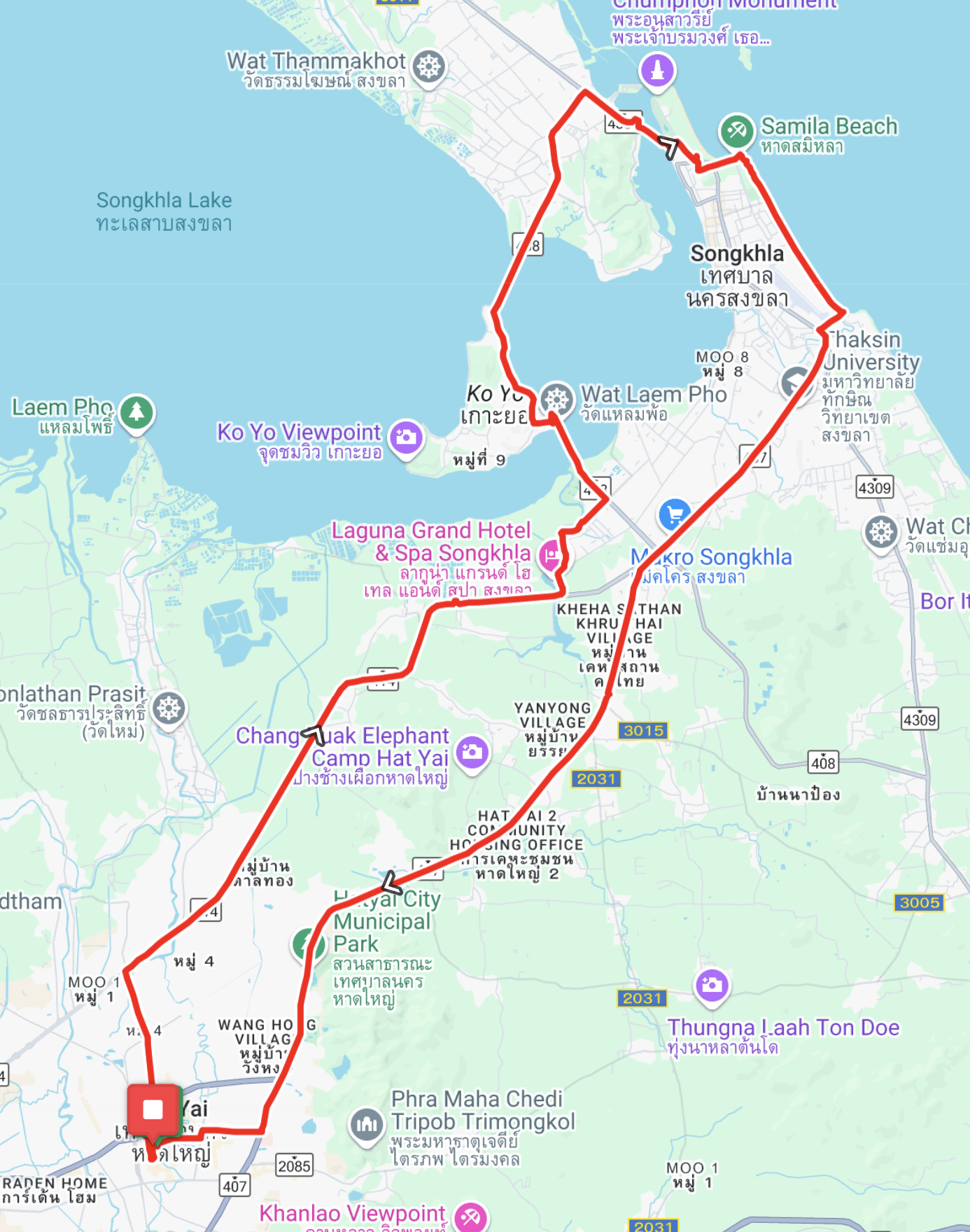
Most of the route from Hat Yai to Padang Besar is due south. I think I selected the wrong course on my Garmin to navigate. The map took us north out of Hat Yai along the same roads to Songkhla Lake. The detour added 12 km to our route. We lost more time because I had a flat tyre 21 km into the ride. Thank goodness we had a time buffer.

Map courtesy of Ride With GPS

It was a relief to get onto Route 4 heading in the right direction. As we have come to expect of Southern Thailand, the roads are good. With the occasional Wat along the way.

In this case, the Wat Hua Thanon near Sadao.

Photograph courtesy of Google Street View

It wasn’t as hot as the previous days. It was ‘only’ 30ºC but still very humid. We were all sweating a lot. We stopped at a Seven-11 to refill bottles and let the support vehicles catch up with us. We had lost them in the detour around Hat Yai.
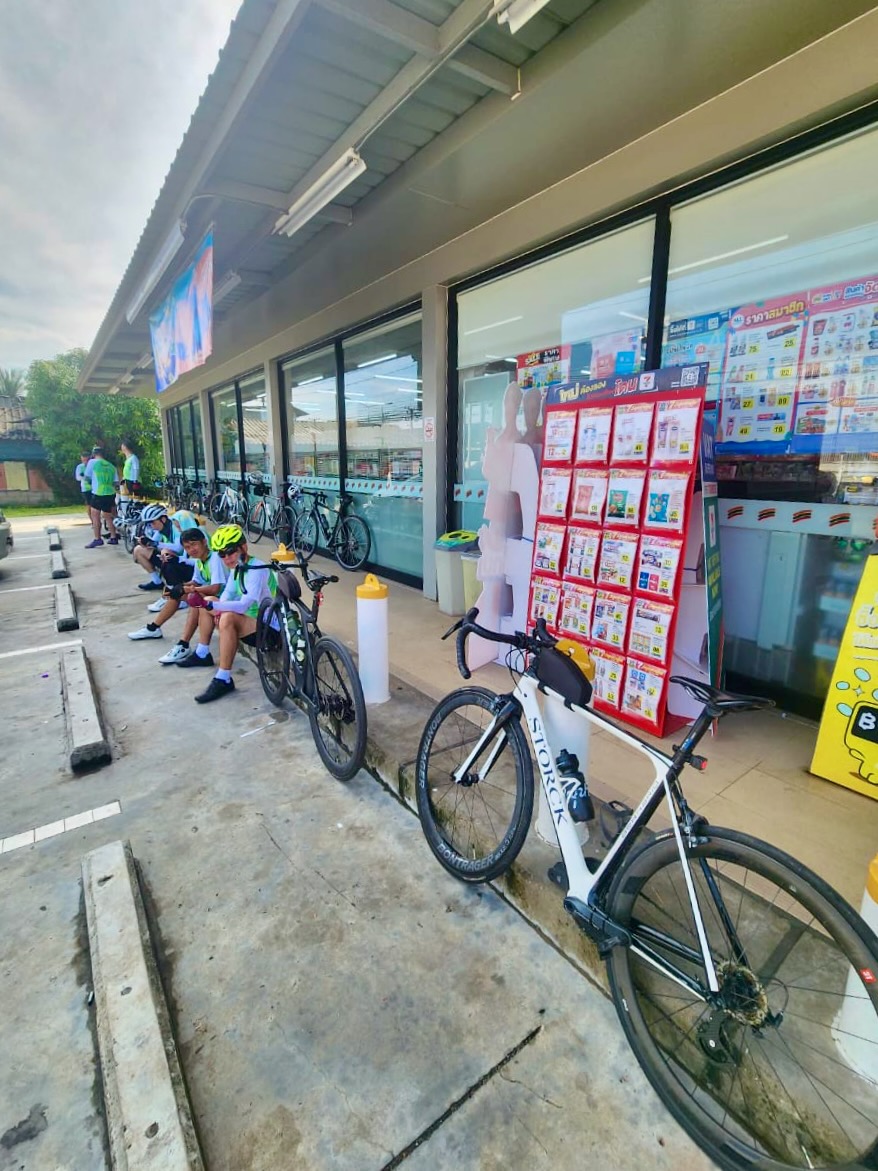
Photograph courtesy of CKS

We needed another stop with 13 km to go to the Thailand-Malaysia border. It was 34ºC and shade was limited.
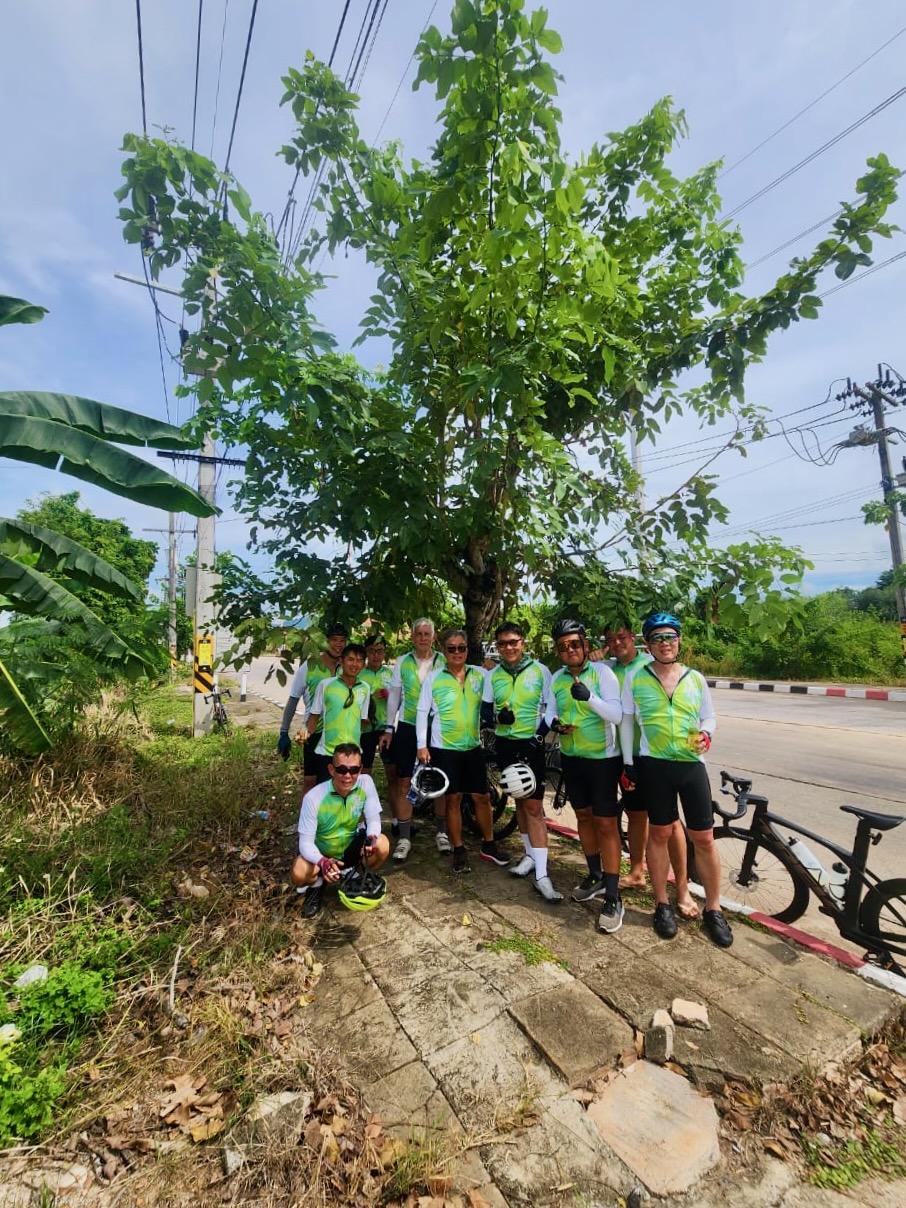
Photograph courtesy of CKS

It was an up-and-down 13 km with 125 metres of elevation to the border. A little sting in the tail of our four-day ride.

All that was left was the queue at Malaysian Immigration, where we had to tell the locals not to cut in front of us.

Photograph courtesy of ML

Despite the 12 km detour, we all arrived at the homestay in time for a shower before being driven to the KTM station by L and P.

We needn’t have rushed. Our train left Padang Besar fifty minutes late. Problems with the onboard signalling system caused the delay.

This message hit my mobile at 3:38 p.m. Late too, and ultimately wrong.

We arrived at Sentral Station at 9:10 p.m. Two hours and forty minutes late.

B and K arrived in Klang with our bikes two hours later. They got caught in heavy rain. As did S on his motorcycle after riding to Penang with TH. They got to Penang at around 5:00 p.m. We were all glad to hear that S got to Klang safely at 10:00 p.m.

Photograph courtesy of K

All that was left to do was to deliver the four KL guys’ bicycles to Pegasus Cycles. Which N did on Tuesday morning.

Photograph courtesy of N

That wrapped up our four-day adventure in Southern Thailand. 291 km in all.

Thank you, H and J, for arranging the travel and accommodation, and for the jerseys. Thank you, B, K and K, for the support throughout the four days. Thank you to all the cyclists for the camaraderie and the laughs.

Image courtesy of WordPress AI

“Ride of Hope” in Southern Thailand – Day 3

Posted on

Despite the late night for some, we started our sightseeing ride at 8:00 a.m. The route took us to Songkhla Lake and Samila Beach.

Map courtesy of Ride With GPS

Songkhla Lake is the largest natural lake in Thailand. We stopped on the southern Tinsulanonda Bridge for some photographs. The bridges linking Ko Yo island with the mainland are named after General Prem Tinsulanonda, a former Prime Minister of Thailand.

Photograph courtesy of LTH

Wat Laem Pho on Ko Yo Island was built in 1787 during the reign of King Rama III. The large golden Buddha image in the nirvana posture was constructed in 1994.

Photograph courtesy of KC

We rode over the northern Tinsulanonda Bridge and took a short ferry ride across the estuary where Songkhla Lake meets the Gulf of Thailand.

Photograph courtesy of KC

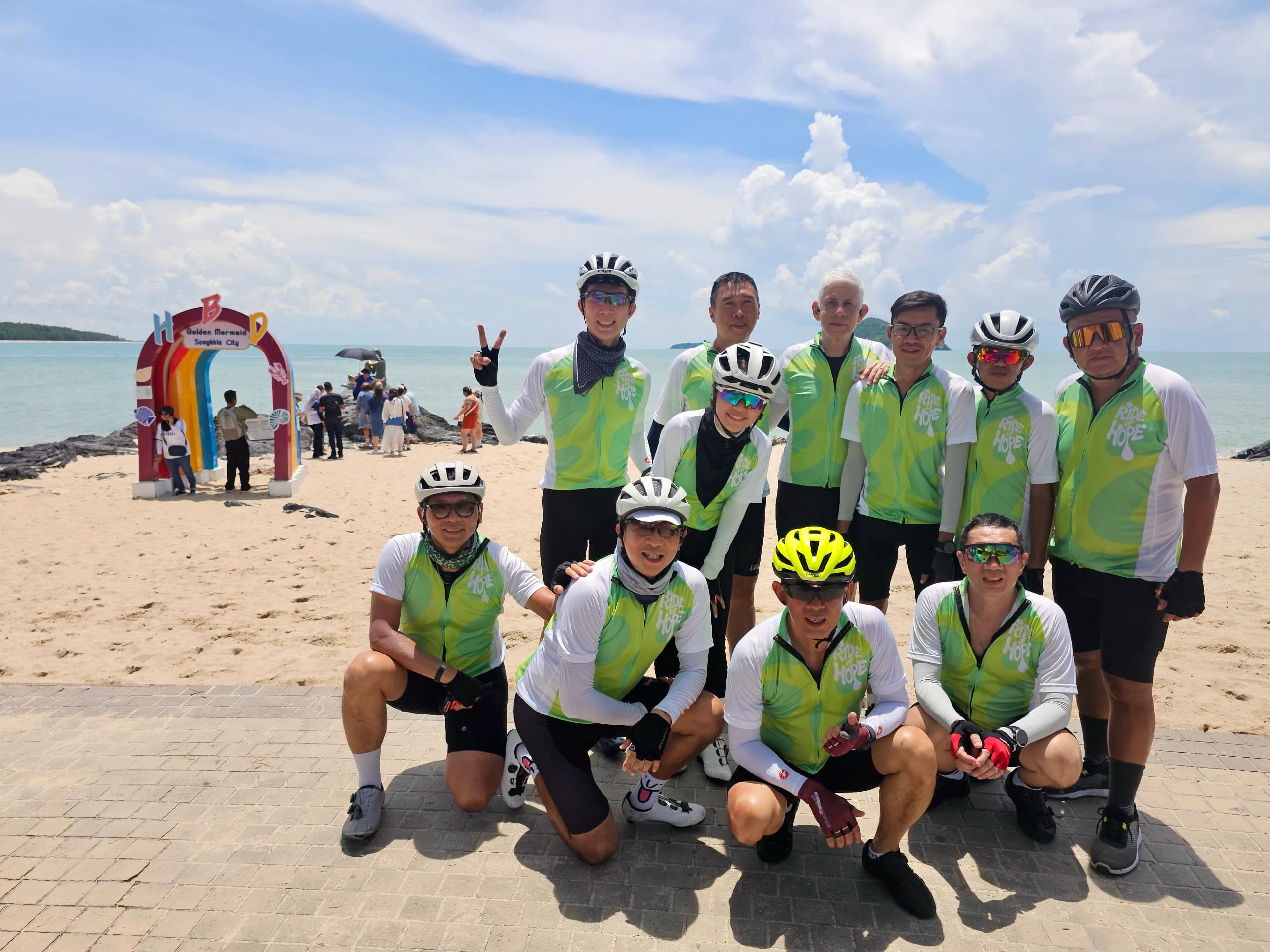
A kilometre from the Car Ferry City Side dock is the Golden Mermaid. An icon of Songkhla. This bronze statue was sculpted in 1966 by Jitr Baubus. The Mermaid was a main character in Phra Apaimance, a story written by Soonthorn Phu, the great poet of King Rama II. In this ancient Thai folk tale, a mermaid sat and combed her hair on a beautiful beach on a starry night. A young fisherman met and frightened her, and she fled into the sea. The fisherman waited for her to return, but she had disappeared forever.
We didn’t clamber onto the rock to get close to the statue.

Photograph courtesy of LTH

Samila Beach turns into Chalathat Beach as you head south.

It was hot again. 39ºC. We went looking for an air-conditioned place for a coffee. Instead, we found the Nong Keng restaurant. We ordered drinks. Then H looked at their menu and ordered lunch. It was a pleasant eighty minutes in the shade by the sea.

Photograph courtesy of ML

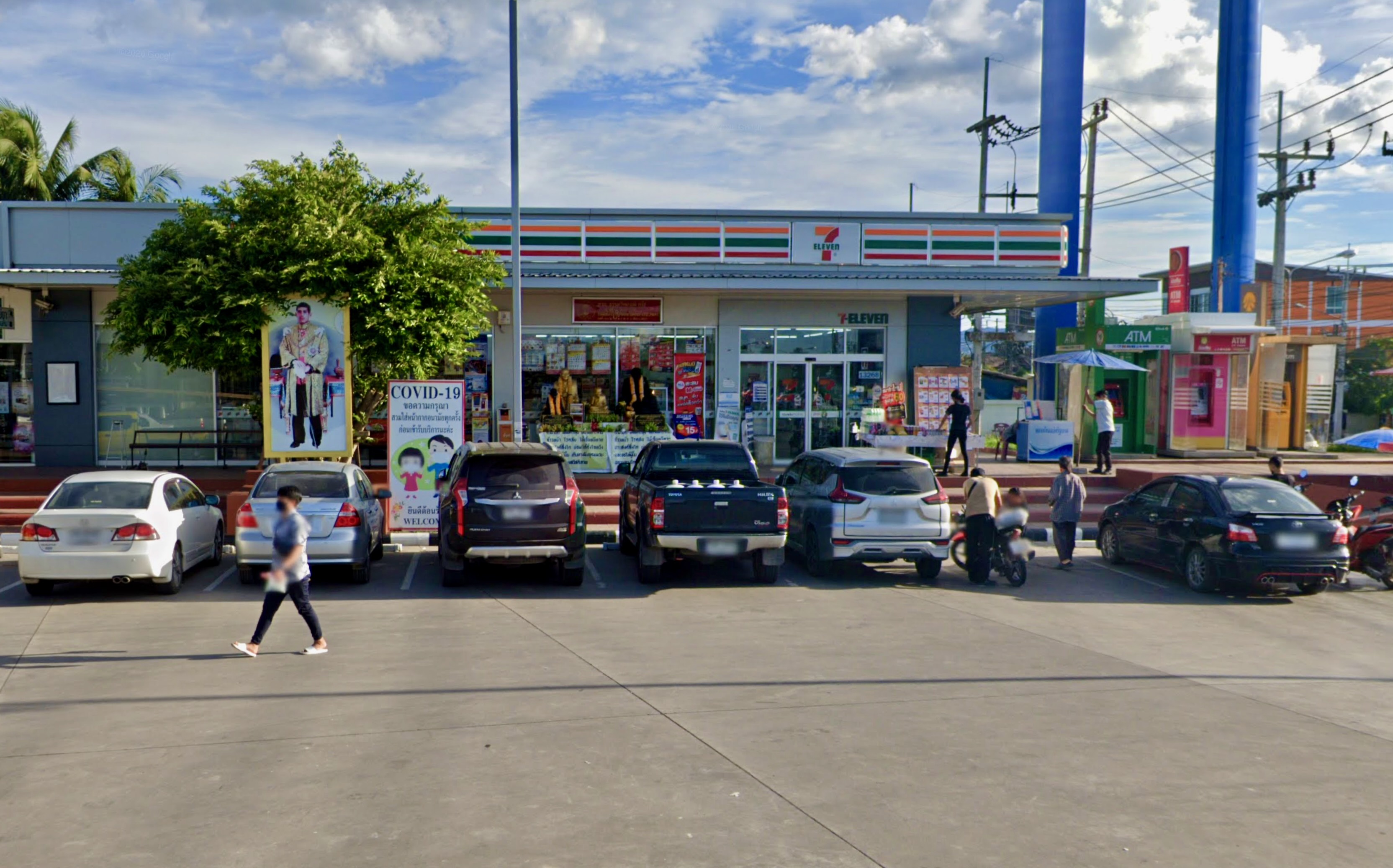
It was 37ºC when we left Nong Keng. We had about 30 km left to ride. Unsurprisingly, we needed another stop after cycling 15 km. A 7-Eleven at a PTT petrol station fit the bill.

Photograph courtesy of Google Street View

We got to the Centara hotel at 2:40 p.m. It was far too hot for a swim. Some had massages. I should have had one too. I had a knot in my right scapula that needed releasing. The need for sleep was strong, though.

I had planned to walk to the See Kim Yong Market to buy dried fruit and nuts.

Photograph courtesy of tourismthailand.org

The market, named after a wealthy individual who owned the original land in this area, is 400 metres from the Centara Hotel. The market closes at 6:00 p.m. I woke up at 6:45 p.m. Just in time to meet the others in the hotel lobby for dinner.

The Kai-Tai-Num restaurant is 3 km from the Centara Hotel. We went there in tuk-tuks. Nine of us unknowingly got into a party tuk-tuk. It was dark, and the tuk-tuk looked like any other. Then the flashing lights, the video, and the music started.

Six tweeters, six mid-range speakers and three subwoofers, all driven by three amplifiers, pump out a lot of sound. M and I were deaf in our right ears for a while.

Photograph courtesy of LCH

A waitress said “Sorry Ahhh” to H at the Kai-Tai-Num restaurant. Again, for serving us food that we had not ordered. I wonder if it is a ruse that some restaurants employ to boost their takings.

We discussed the following day’s departure time over dinner. We initially planned to start cycling at 7:30 a.m. That would give us some extra time to cope with any problems along the way and still arrive in Padang Besar in time to catch the 1:50 p.m. Malaysian time train. Fortunately, H remembered that Thailand is one hour behind Malaysia. We would have to leave at 6:30 a.m. Malaysian time to have the buffer time we wanted.

That would prove to be a wise decision.

“Ride of Hope” in Southern Thailand – Day 2

Posted on

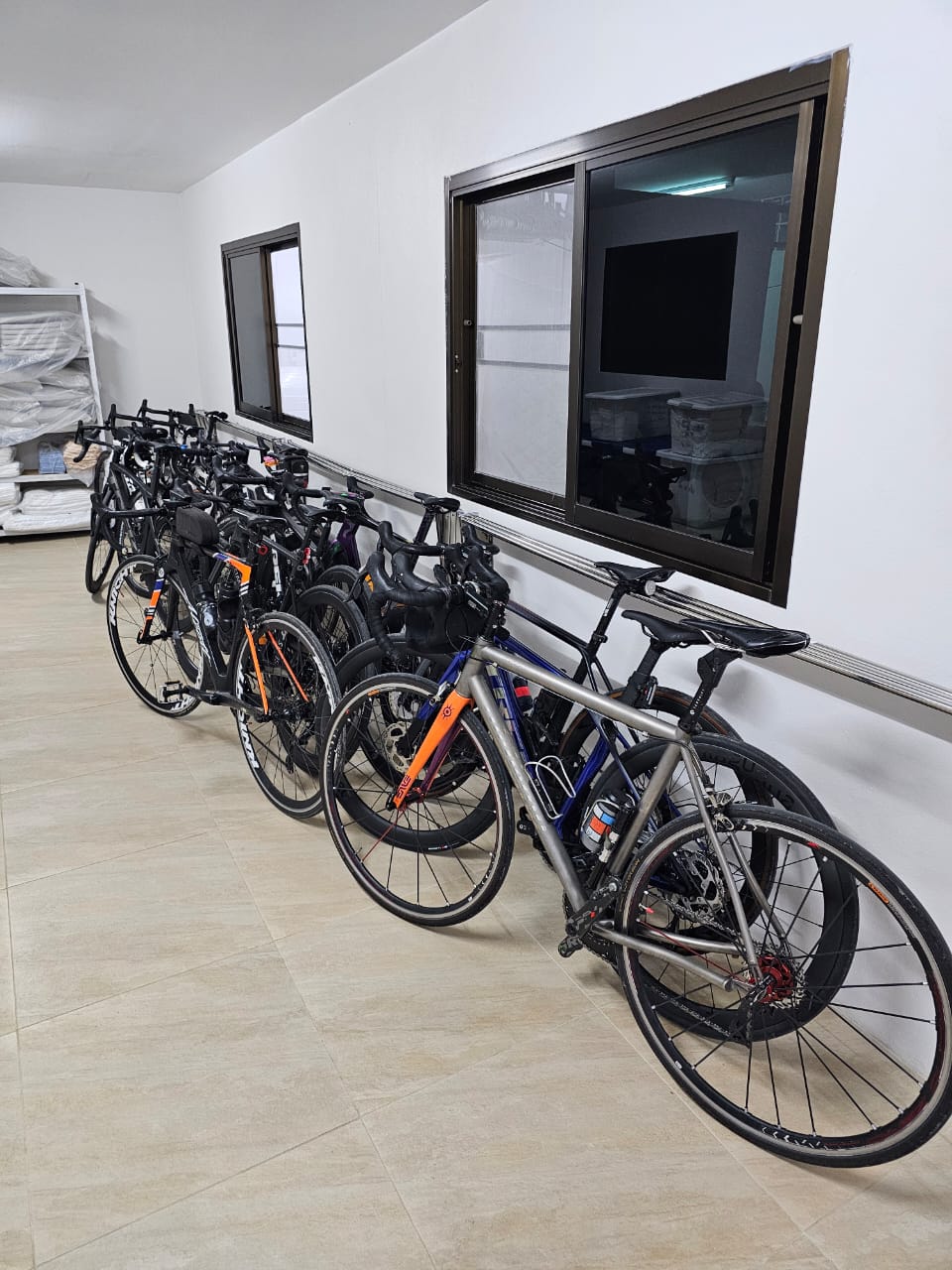
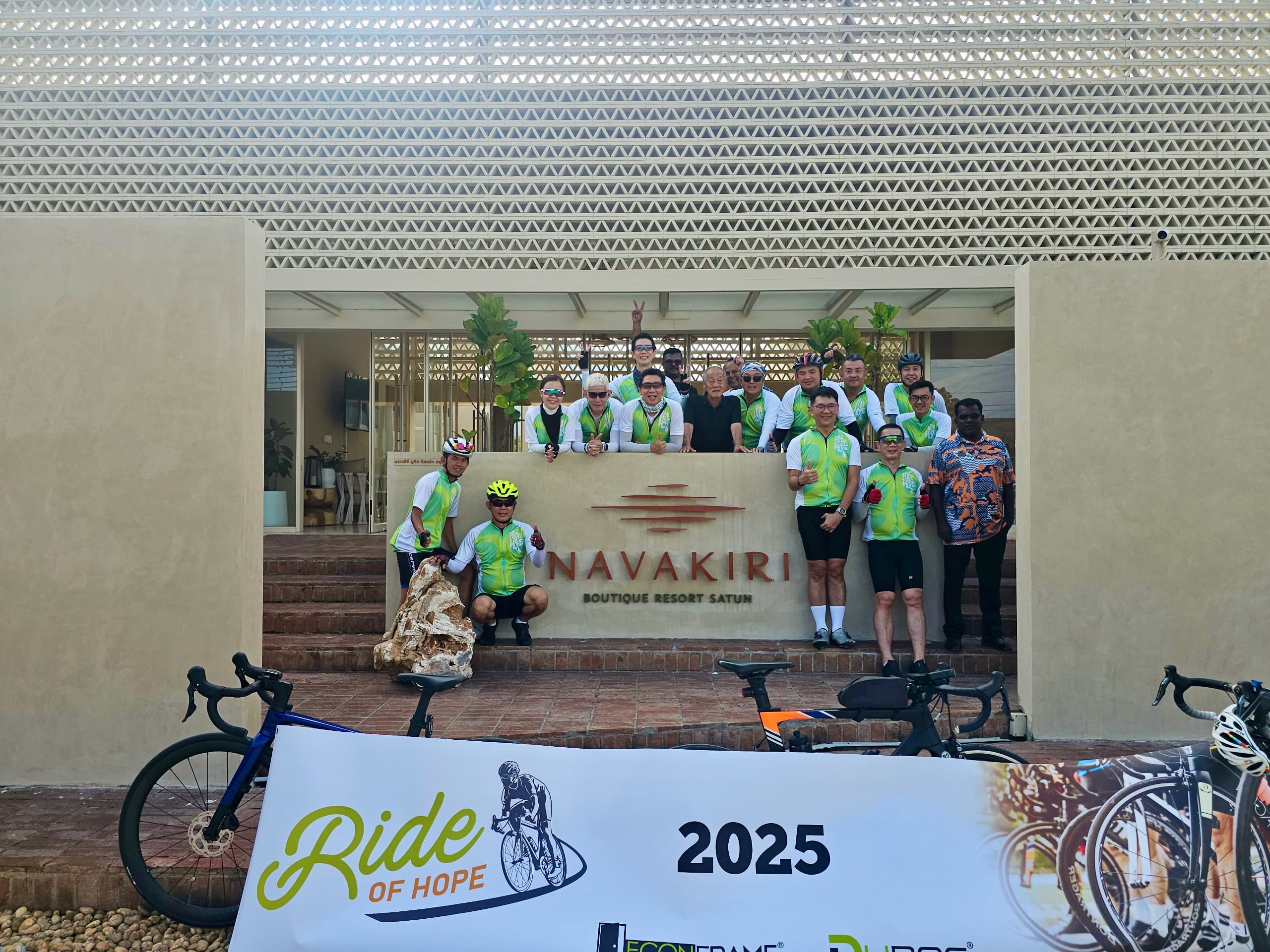
Thai hospitality was on full display throughout our stay at the Navakiri Boutique Resort. The staff stored our bikes safely in their laundry room.

Photograph courtesy of LCH

The breakfast buffet opened early to accommodate our early departure. Our destination was Hat Yai.

Map courtesy of Ride With GPS

We were all present as planned at 8:30 a.m.

Photograph courtesy of LTH

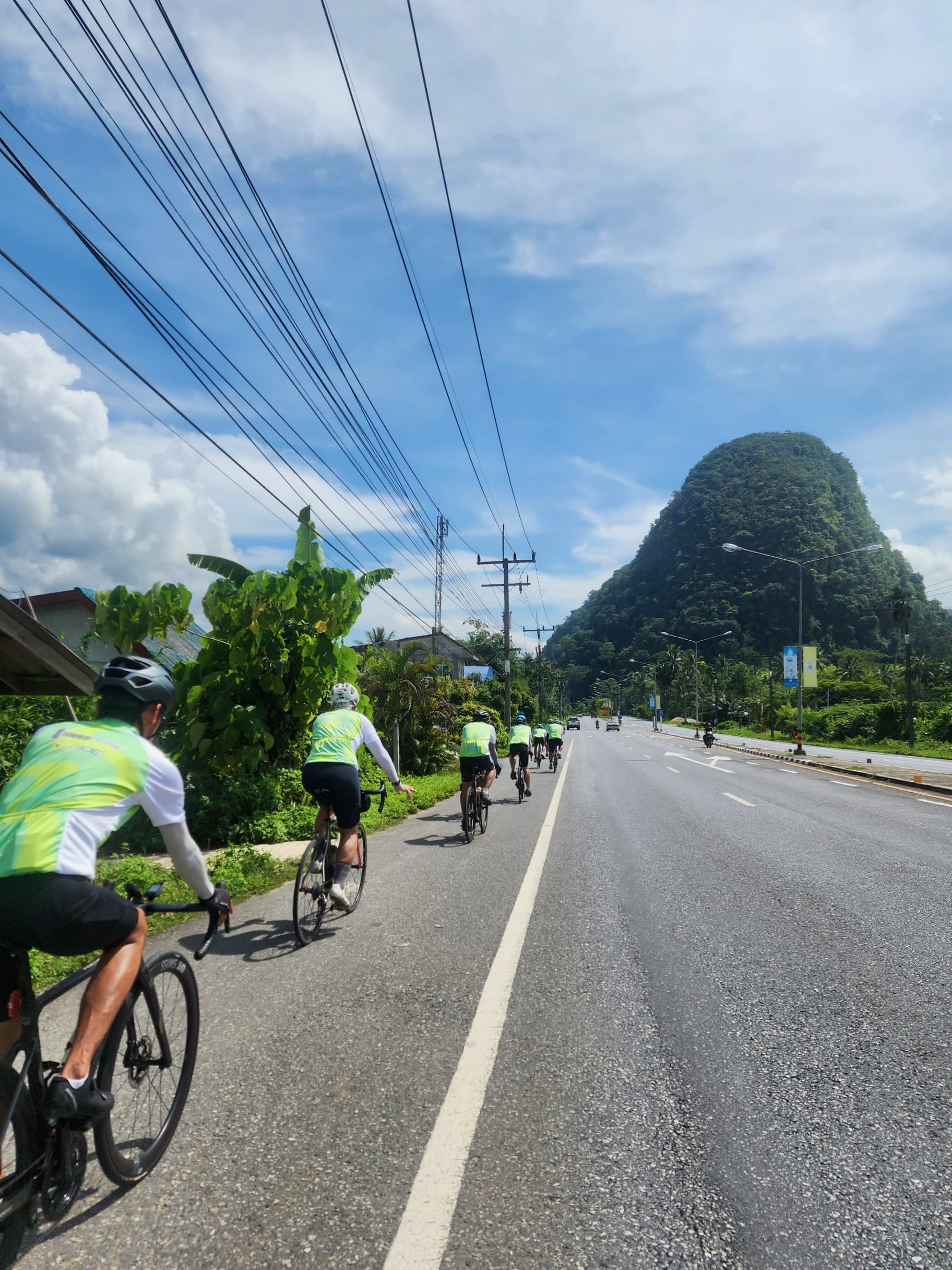
As expected, the roads were excellent to ride on.

Photograph courtesy of CKS

I did give the group a short taste of gravel for variety’s sake.

Photograph courtesy of CKS

Immediately after this gravel section, we stopped at a Bangchak petrol station. L had a flat tire. caused by a staple rather than the gravel.

It took forty minutes to change the inner tube. First, we had to figure out how to unscrew the through axle. A rubber O-ring covered the indentations a hex key fits. It took a phone call to Pegasus Cycles to discover that a size 6 hex key pushed past the O-ring would do the trick.

The tubeless-ready tyre was a very tight fit on the rim, and it was a battle to get one side of the tyre free of the rim.

There was no shortage of observers!

Photograph courtesy of CKS

It was another 38ºC and high-humidity day. We struggled to find shade at times. B and K did a sterling job handing out a variety of ice-cold drinks every time we stopped.

Photograph courtesy of LTH

Our last stop before Hat Yai was this Delicafé at the Shell station on the Phet Kasem Frontage Road. I needed that iced latté.

Photograph courtesy of Google Street View

We had lunch at the Jae Lek restaurant before checking into the Centara Hotel. It would not be the first time a waitress said “Sorry Ahhh” to H because we were served and charged for more food than he had ordered.

It was a 91 km ride to the Centara Hotel. The hotel has a swimming pool, but I decided I needed a nap more than a swim. Some others had a massage. I showered and slept.

Photograph courtesy of CKS

We had a late lunch. Nevertheless, we ate a lot at Ar Restaurant that evening. The stewed goose was especially delicious.

Photograph courtesy of ML

There was some partying after dinner. That is all I can say. What happens in Hat Yai stays in Hat Yai!

“Ride of Hope” in Southern Thailand – Day 1

Posted on

In 2023, K asked if TH and I could help organise a charity ride to Penang. That is how I met the group from ECONFRAME®. A few R@SKLs went on a delightful multi-day ride from Teluk Intan to Penang with the group from Klang.

A few months ago, the idea of another charity ride arose. We chose to spend four days riding in Southern Thailand. Many hands contributed to the planning and execution of this trip. The daily routes were plotted. Train tickets were bought. Hotel rooms were booked. Cycling jerseys were designed and ordered. Support vehicles and drivers were lined up.

The long weekend began on Thursday with bicycles transported to Padang Besar by B and K in a pair of pickup trucks, accompanied by TH and S on motorcyclists.

Photographs courtesy of LTH

This update during the trip was a sign of things to come.

Photograph courtesy of LTH

The quartet was joined at the Chek Embun Homestay by a few others who also drove to Padang Besar. They all did a wonderful job stocking ice chests and preparing the bicycles.

The rest of us caught the 7:30 a.m. Friday ETS departure from KL Sentral to Padang Besar.

Photograph courtesy of ML

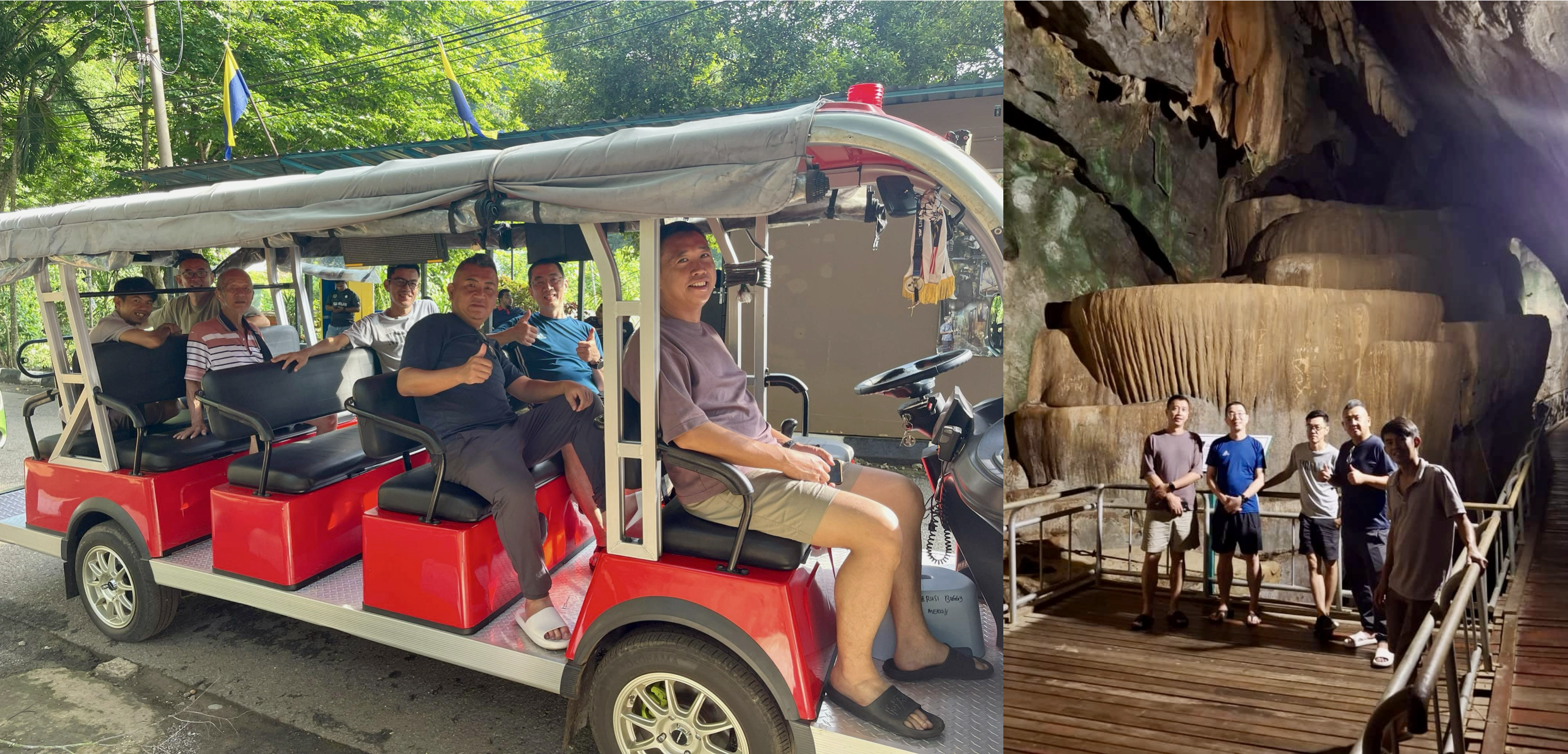
While we were on the train, the guys in Padang Besar went on a cave walk in Gua Kelam in Kaki Bukit.

Photographs courtesy of PC and S

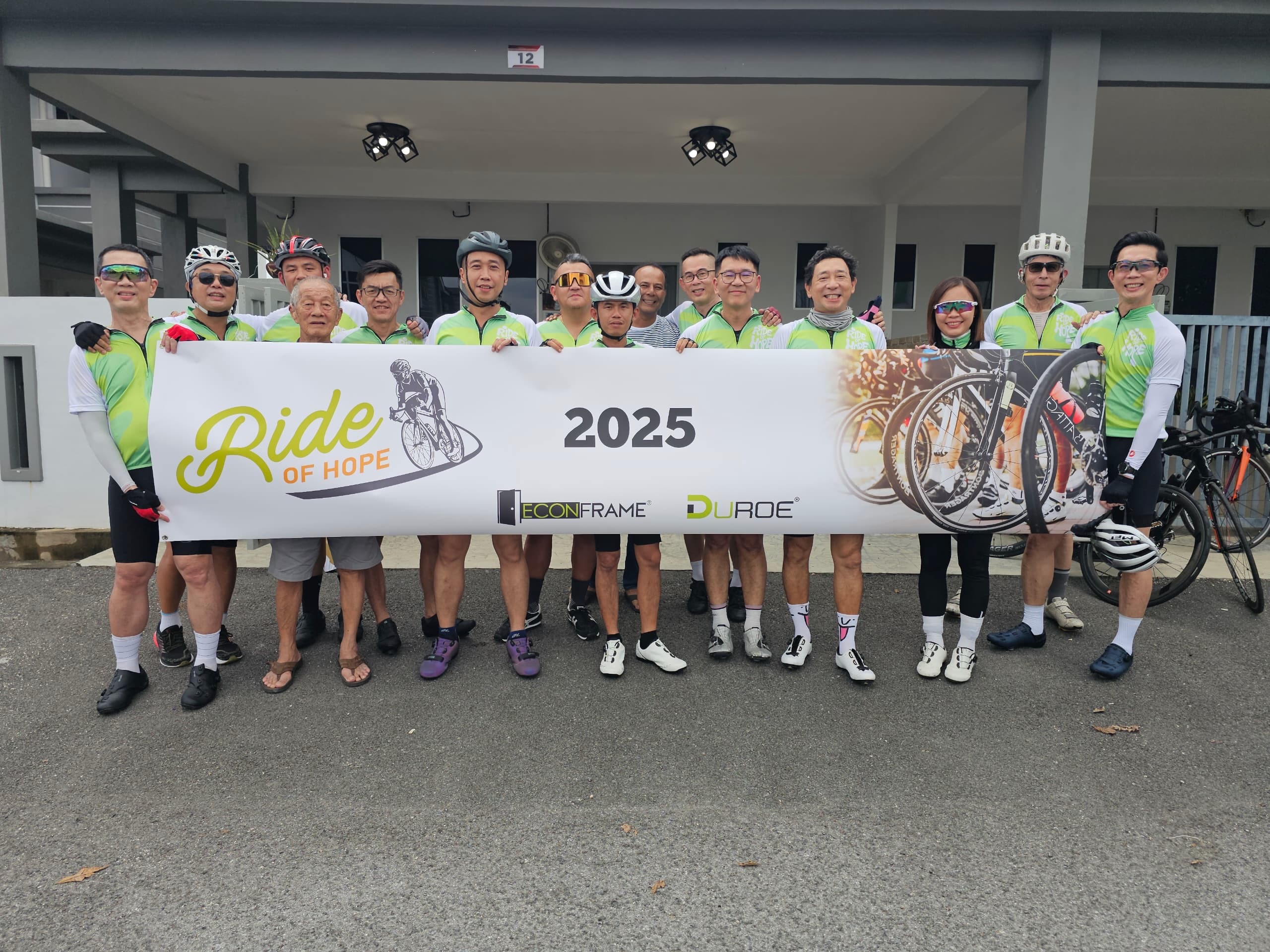
L and P picked us up at Padang Besar KTM station. We changed at the homestay and were ready to ride at 1:30 p.m.

Photograph courtesy of LTH

The Day 1 route from Padang Besar to Satun was the shortest of all the daily rides. However, the 49 km ride did include the most challenging segment we would face.

Map courtesy of Ride With GPS

The climb to Wang Kelian is on slopes like this. Made even harder by the high humidity and 38ºC temperature.

Photograph courtesy of KC

This is the Wang Kelian climb in numbers.

Map courtesy of Ride With GPS

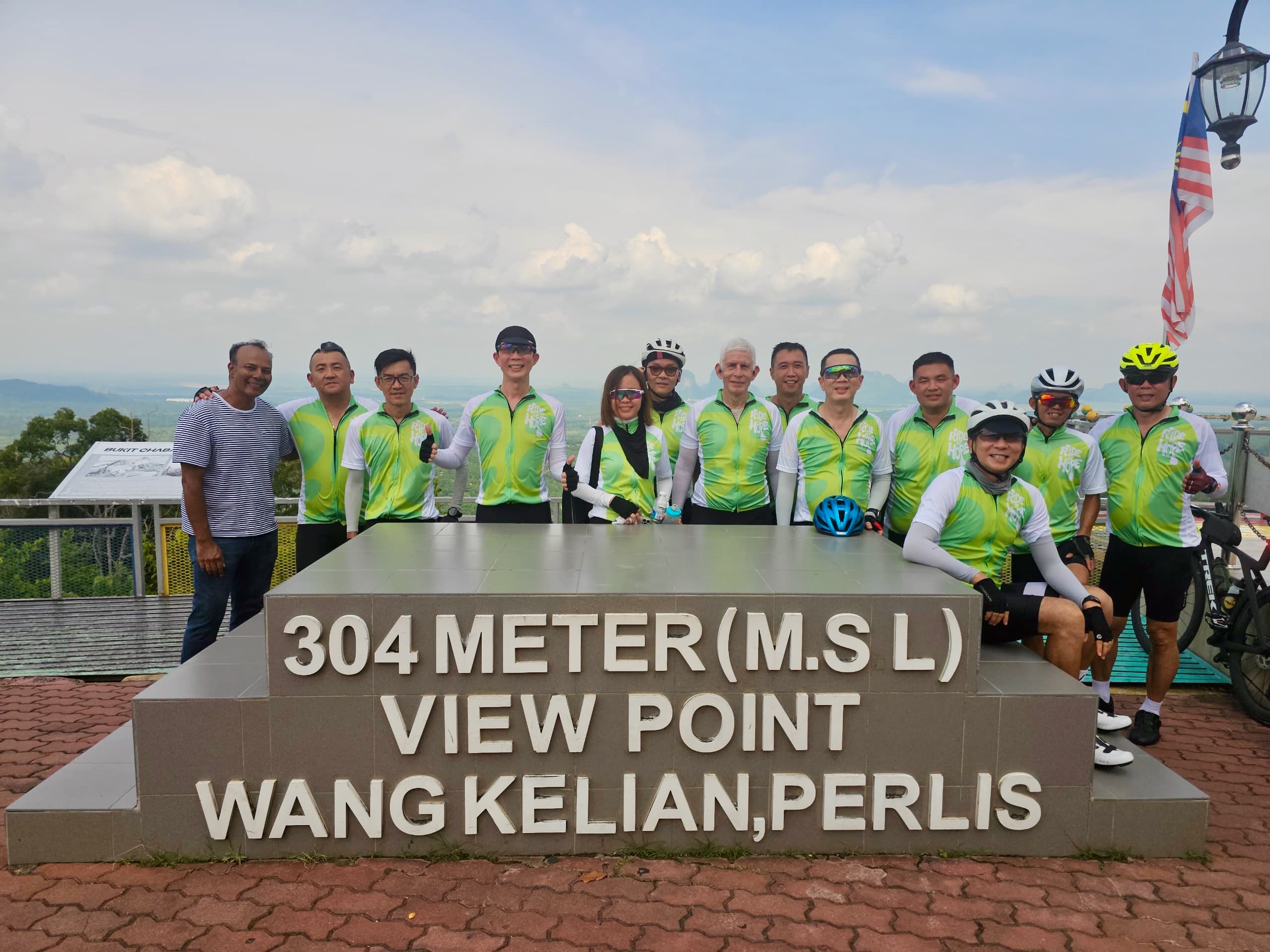
The view at the top is worth the effort.

Photographs are essential. That is the patriarch of H’s family. 85 years young.

From the summit of the climb it is a mostly downhill run to the Malaysian Immigration post at Wang Kelian.

Photograph courtesy of J

You go through the Wangprachan Boundary post to enter Thailand.

Photograph courtesy of CKS

The roads in Southern Thailand are wonderful to ride on.

30 km from the Malaysia-Thailand border is the Navakiri Boutique Resort in Satun.

That is a bar at the far end of the swimming pool. A bar that was well-patronised by the eleven of us who went for a swim.

Dinner was at the Coconut Gardens Restaurant. The restaurant is 850 metres from the resort. Close enough for most of us to make the trip in the bed of a pickup.

Photograph courtesy of LTH

Our first and not the last big meal of the trip.

Chasing Aerodynamic Gains

Posted on
Image courtesy of youtube.com

Slicing through the air like a speeding bullet. If only it were that easy for cyclists. Bullets are streamlined and aerodynamic, minimising their frontal area to reduce air resistance. A cyclist in a typical riding position has a much larger frontal area due to their body’s shape and size.

The power required to overcome aerodynamic drag on a bicycle increases with the cube of the speed. Doubling your speed requires eight times more power to overcome drag. This doesn’t account for other factors like friction and rolling resistance.

It is no wonder that reducing aerodynamic drag is such a big selling point for bicycle equipment designers and manufacturers. Many advertisements for bicycles and related gear claim wind tunnel testing shows power savings, measured in watts.

Photograph courtesy of ww2.aip.org

These advertisements sometimes do not tell you that the speeds commonly used in wind tunnel testing range between 40 and 48 kph (25 and 30 mph). The average reported ride speed on Strava for non-experienced cyclists is around 19.2 kph (11.9 mph). Experienced cyclists average 24.5 kph (15.2 mph). Recreational cyclists must temper their expectations of the number of watts they can save in real life.

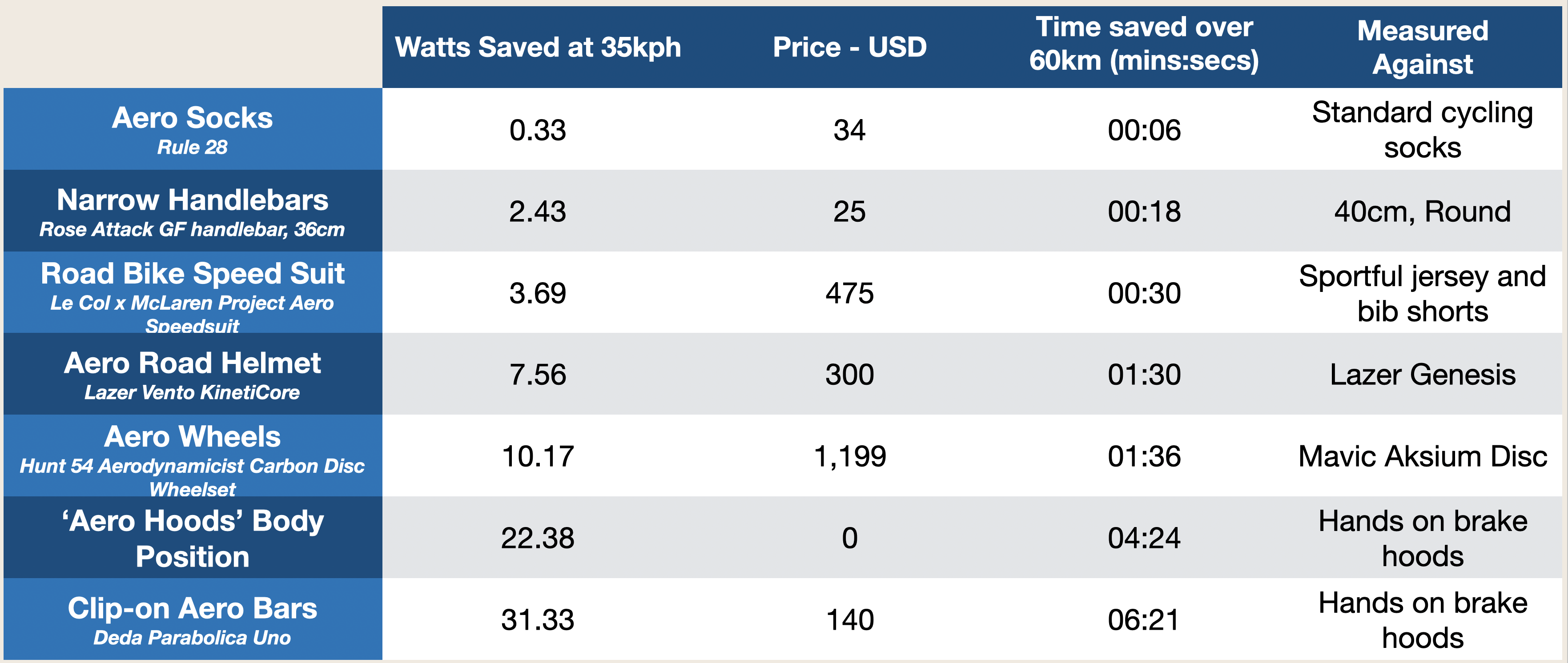
What gains can you expect from various aero upgrades? Absolute numbers vary from one source to another. The figures in the table below from BikeRadar are generally in line with others I have seen. The products in the table were tested in the wind tunnel at the Silverstone Sports Engineering Hub, a leading test facility for cycling in the UK. Testing was done at a range of yaw angles (0, +5 and +10 degrees) to get a more realistic picture of how these upgrades perform in the real world.

The bike used in the tests was a Specialized S-Works Aethos on 28c Continental GP5000 TL tires. The aero upgrades tested are identified below the product category.

The power savings at 35kph are minimal for most items. I would save even fewer watts on my rides, which rarely touch 35kph.

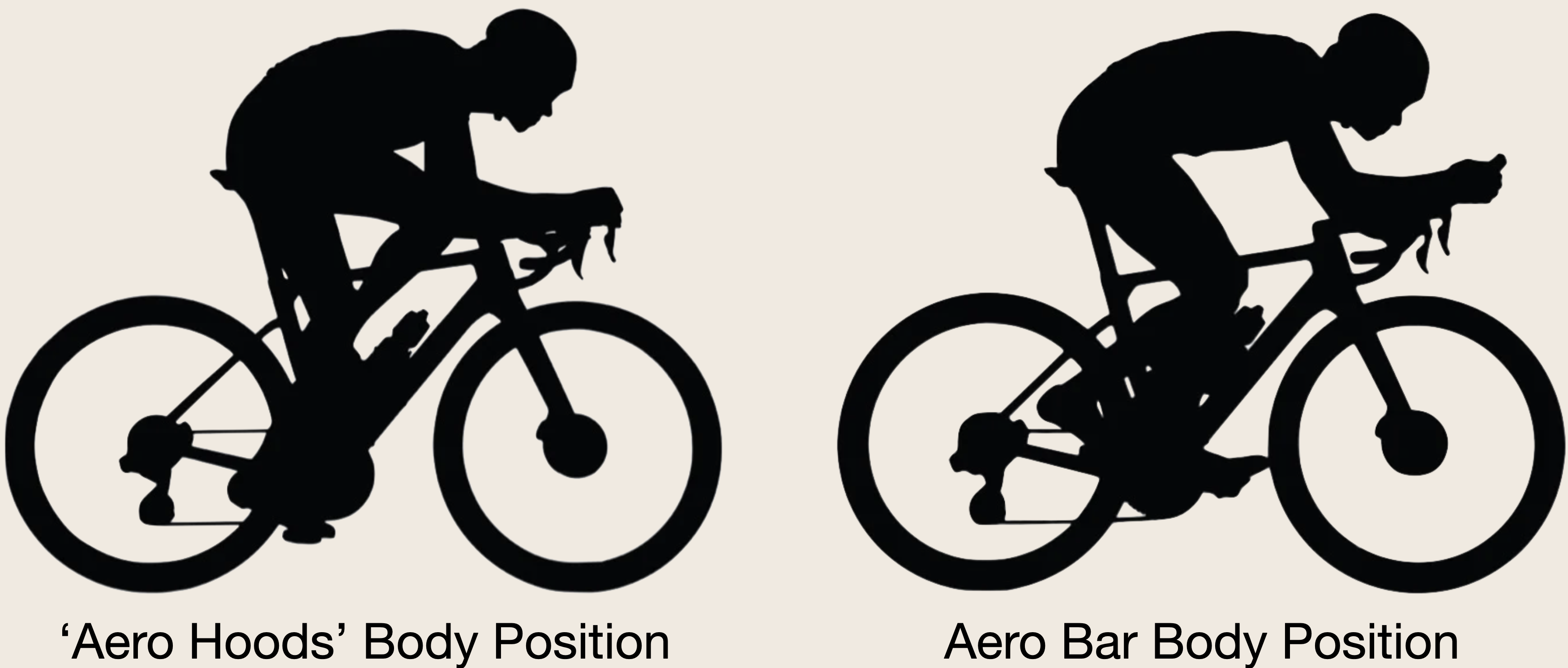
The rider contributes a large portion of the total aerodynamic drag on a bicycle, typically around 75-80%. So it is no surprise that the biggest aero gains come from changing body position. Moving the hands from the hoods to an ‘aero hoods’ position or using clip-on aero bars saves the most watts.

Illustrations courtesy of silca.cc

Many recreational cyclists struggle to hold either of these positions for long. Nevertheless, optimising body position is the most cost-effective aero upgrade.

The easier but more expensive route is to buy a set of aero wheels or even an aero bike. Just remember that the marketing around aero wheels and aero bikes is often a little over the top. By all means, spend money on a fancy new aero bike. But for many recreational cyclists to ride faster, losing weight and becoming more flexible to improve their body position will be more beneficial.

Illustration courtesy of twospoke.com

Be Wary of the Integrated Cockpit

Posted on
Graphic courtesy of dynamicpuzzle.ro

In my previous post, I discussed why professional-level road bikes may not be the best bicycles for recreational cyclists.

High-end road bikes are designed for maximum aerodynamic efficiency. Thus, their low frame stack and long frame reach.

The pursuit of aerodynamic benefits has seen the increasing popularity of integrated cockpits. These systems combine the handlebars and stem into a single piece and are designed to reduce drag by minimising frontal area. These are the integrated cockpits used on the bikes above.

In this post I wrote about one of the downsides of integrated cockpits.  They use internal cable routing, which improves aerodynamics but complicates cable replacement.

Another downside is the high cost of replacing an integrated cockpit if the bike fit (such as the handlebar width or stem length) isn’t right for you. You may well get the right stem length and bar width when you buy a bike with an integrated cockpit. Manufacturers like Specialized and Pinarello have several stem length and bar width combinations to choose from.

If you later decide you want a differently shaped bar, your flexibility lessens, or you want a shorter stem, you must replace the entire integrated cockpit.

You can avoid the pain of installing a new integrated cockpit by paying your bike mechanic to do it. You will also have to foot the more considerable cost to buy a new integrated cockpit. This will be especially painful if you need a new Talon Ultra fast cockpit from Pinarello.

While integrated cockpits may look clean and modern, they come with trade-offs in adjustability and customisation. Not to mention the associated cost. If you’re considering a bike with this feature, understand the limitations and explore whether alternative setups are available.